PQNKThe Natural Ecosystem Science of Production Agriculture
Pedaver is the Global Knowledge, Research and Validation Authority for PQNK.
Farming the way nature already knows how.
New on Pedaver
Watch the Story
PQNK, Told in Full
The complete PQNK story — the audio-visual version of the book, in concise form.
Knowledge Pathways
Where Should You Go Next?
PQNK Science
The natural mechanisms and relationships that make the production system work.
Explore PQNK Science →Farmers & Field PracticeKnowledge Exchange
What PQNK farms actually show — farmer questions and answers, advisory notes, testimony and field evidence, indexed and searchable.
Open the Knowledge Exchange →Scientists & ResearchersKnowledge Papers
Search 220 papers in your own words, or browse by crop, problem, or field practice.
Search the Knowledge Papers →Institutions & OrganizationsServices
Ways governments, NGOs, businesses, research bodies and other institutions may engage with Pedaver.
View Services →Food Quality & ValidationPQNK Validation
How production outcomes and food quality are examined and validated.
See Validation →Read the Science in DepthPQNK Books
The Natural Ecosystem Science of Production Agriculture, published chapter by chapter as each is written and reviewed.
Browse the PQNK Books →Why PQNK Was Necessary
One Degraded System, Many Familiar Symptoms
The problems farmers fight one at a time are stages of a single connected chain:
PQNK exists to break this chain at its source, not to treat each symptom separately.
The Four Principles of PQNK
What Governs the Solution
No Soil Disturbance
After the initial corrective transition and establishment of permanent production architecture, the biological growing zone remains undisturbed.
No Inundation
The root environment remains aerated. Water is managed without drowning the biological production zone.
Permanent Biological Cover
The soil remains continuously protected through living vegetation, retained crop residue and organic mulch.
Maximum Biodiversity
Biological diversity above and below ground is encouraged so natural ecosystem functions can progressively resume.
The PQNK Journey
From Degraded Field to Sustained Closed Loop
Stage 1
Degenerative Phase
The starting condition on most fields: repeated tillage, hardpan formation, and biologically inactive soil, held productive only by increasing external inputs.
Stage 2
Corrective Intervention
The one-time corrective sequence that establishes the system:
- Farm design
- Break hardpan
- Water wash and soil correction where required
- Establish permanent raised beds
- Grow cover crop, particularly Jantar where appropriate
- Retain roots and convert biomass into mulch
- Plant crop after crop without disturbing the biological bed
- Apply Soil Moisture Management where natural water supply needs supplementation
- Harvest without disturbing soil and retain roots/residue
Stage 3
Regenerative Phase
The field's active recovery: soil biology and structure rebuild season by season as permanent beds, cover and no-till planting continue without repeating the original disturbance.
Stage 4
Sustained Closed Loop State
A permanent production state in which natural biological functions progressively replace routine external production inputs, with no routine external production input required other than seed.
What PQNK Changes
System-Level Effects, Not a List of Practices
Soil
Restores pore architecture, biological activity, root access and permanent structure.
Water
Reduces the requirement for externally supplied irrigation by restoring infiltration, cover, storage, biological porosity and Soil Moisture Management.
70–90%reduction in externally supplied irrigation water
Inputs
Moves from ACI substitution to temporary PQNK supplementation during transition, and toward biological self-regulation.
Food Quality
Improves the production environment associated with nutrition density, diversity, aroma, taste, texture, shelf life and residue elimination.
Climate & Environment
Connects soil cover, water-cycle restoration, reduced soil heating, biological function and lower dependence on industrial inputs.
Field Evidence
Built on Field Application, Not Theory Alone
PQNK is documented acre by acre, in the words and footage of the farmers running it.
wheat tillers per seed under PQNK, against roughly 1.5 under conventional (ACI) management
“Wheat on PQNK — lowest cost of production, highest quality.”
Mian Arfan Khalid, PQNK wheat grower
See the Planter in ActionField Observation
Slit Insertion Precision Planter SIPP
More Field DocumentationField Observation
Explore the Video Library →Pomegranate on PQNK
Farmer VoicesFarmer Testimony
See more Farmer Voices →


One PQNK System, Every Crop
The System Remains the Same. The Crop Changes.
PQNK does not change according to crop, soil type, topography or climatic zone. The main crop-specific adjustment is plant-to-plant and row-to-row geometry according to breeders' recommendations.
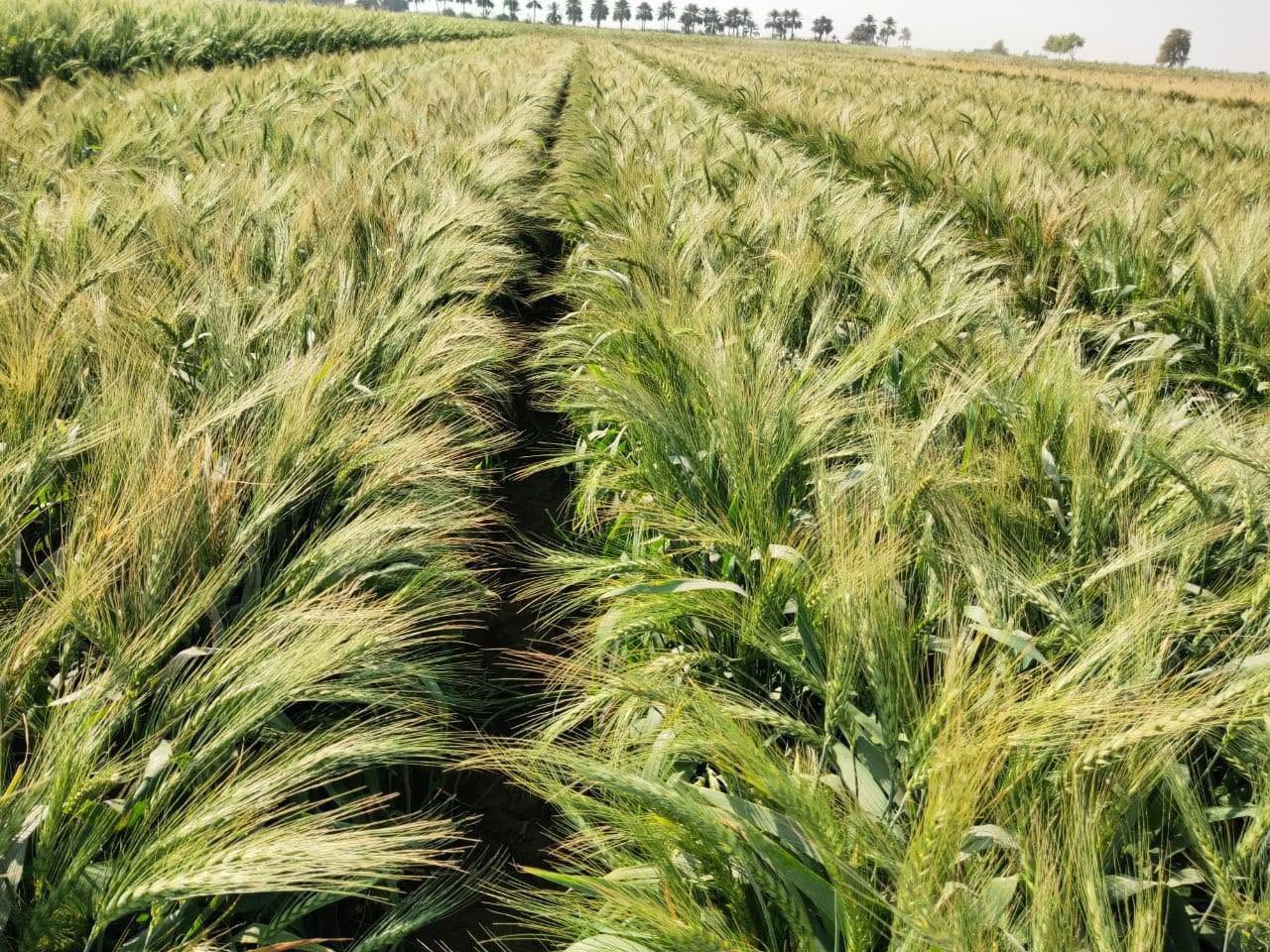
Wheat
Punjab's staple crop, grown under PQNK for lower cost, higher grain quality, and tillering up to 20 times per seed.
View Guide →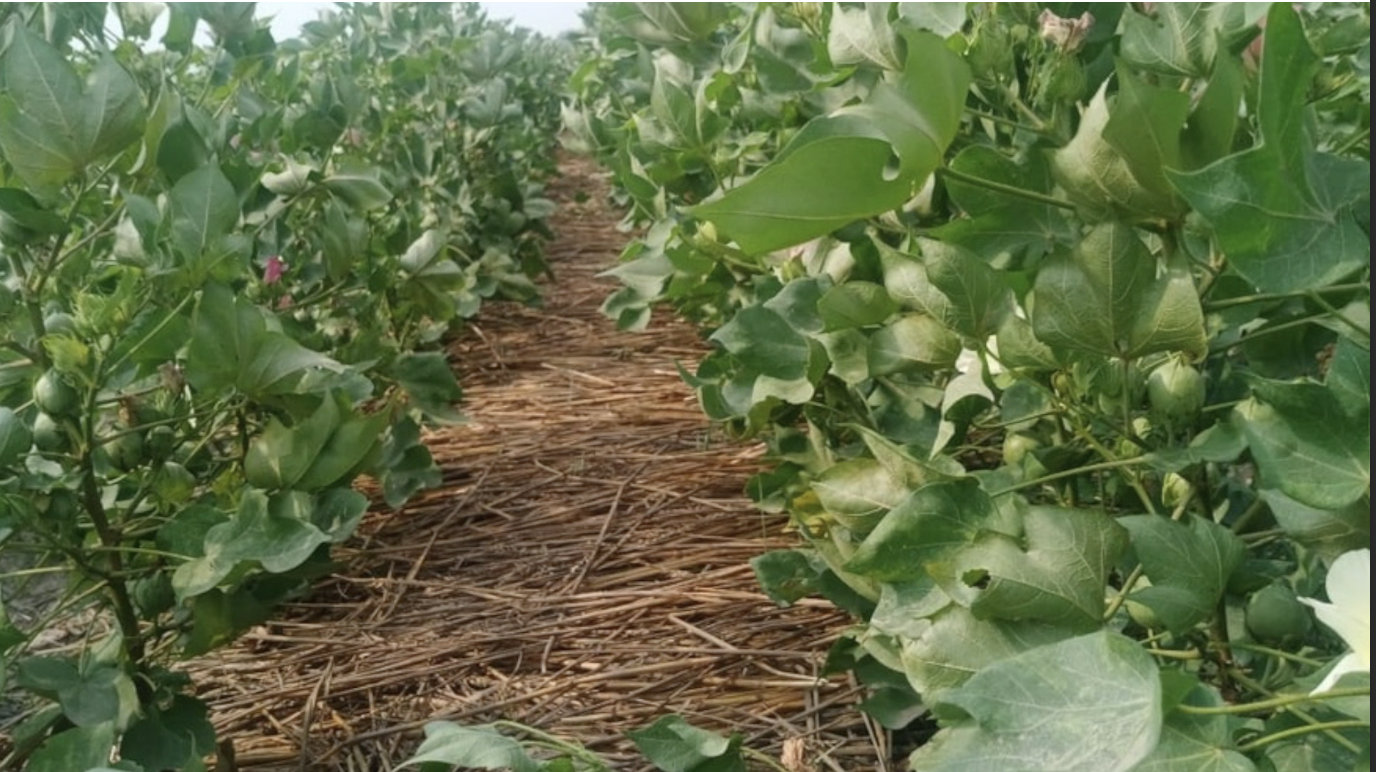
Cotton
PQNK fiber production, documented in short field clips from active cotton plots.
View Guide →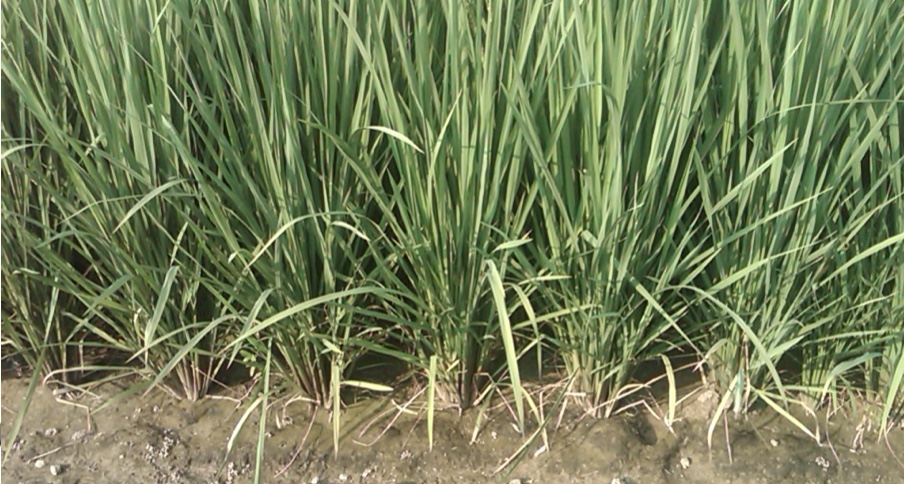
Rice
Grown moist and aerated on permanent beds, not flooded — Direct Seeded Rice (DSR) under PQNK, among the most-viewed crops on our channel.
View Guide →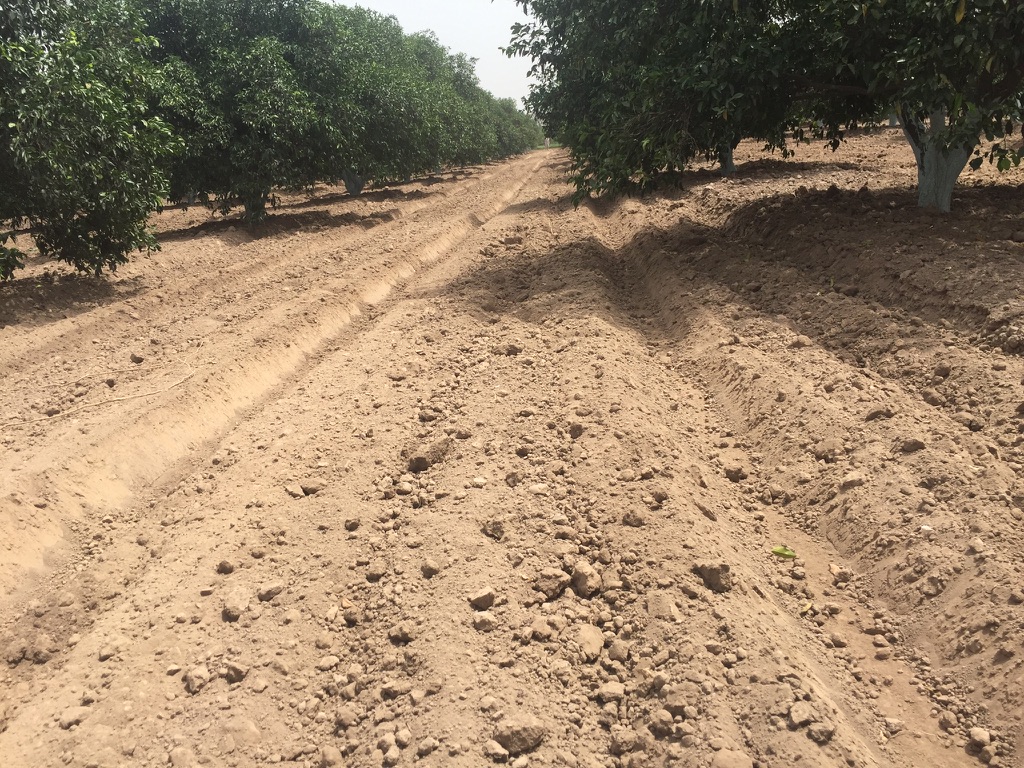
Citrus (Kinnow)
Documented on a working Kinnow orchard in Sargodha, Pakistan's citrus belt.
View Guide →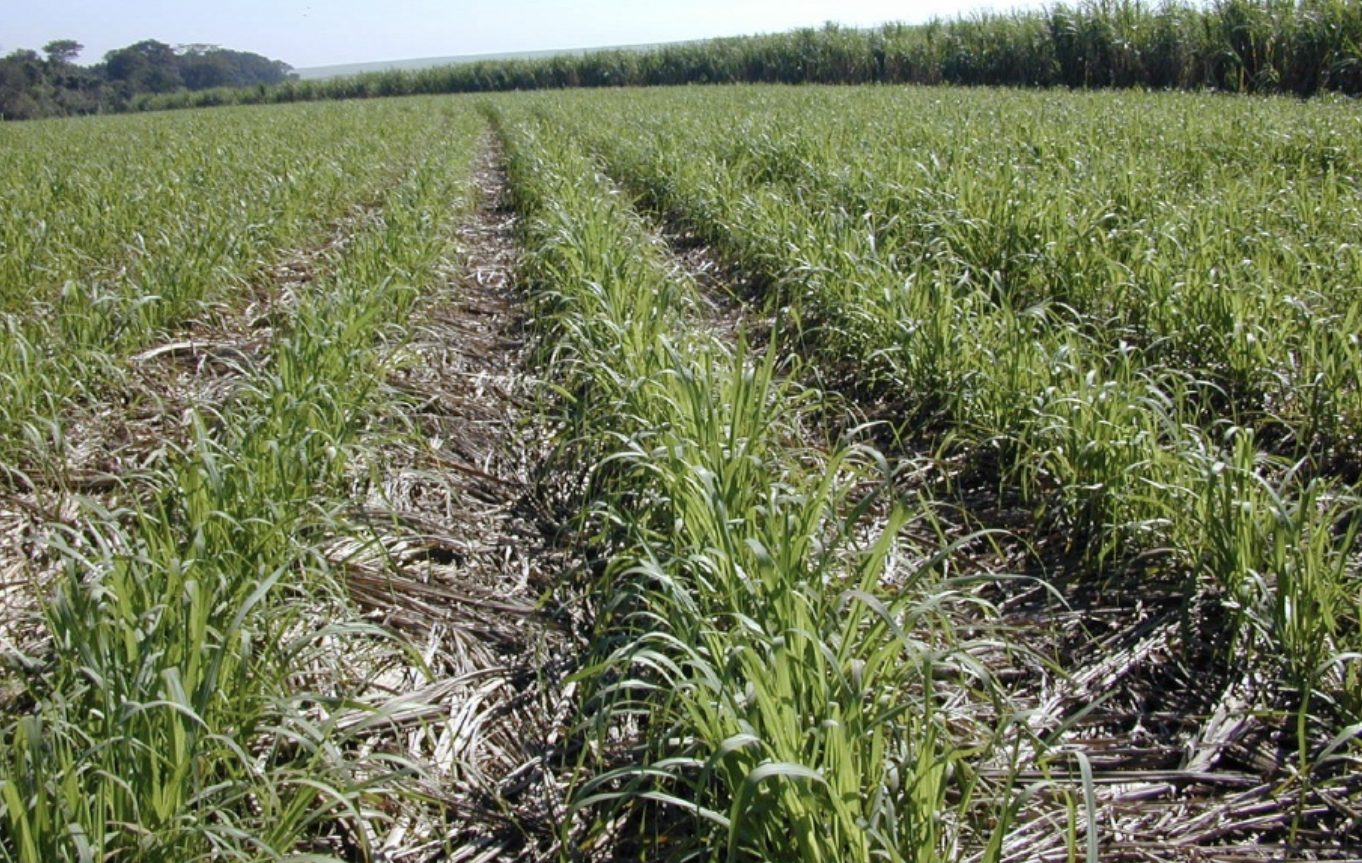
Sugarcane
Featuring a documented result of 47 tillers from a single bud under PQNK.
View Guide →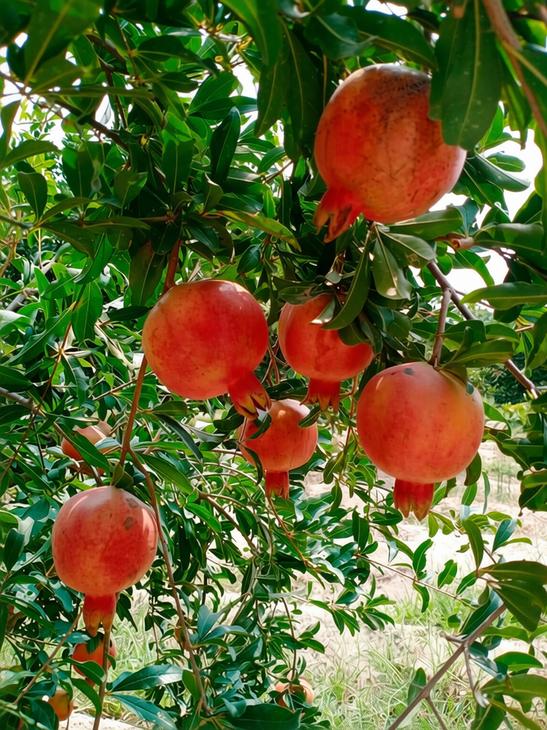
Pomegranate
Watch pomegranate development under PQNK, filmed directly on a working orchard.
View Guide →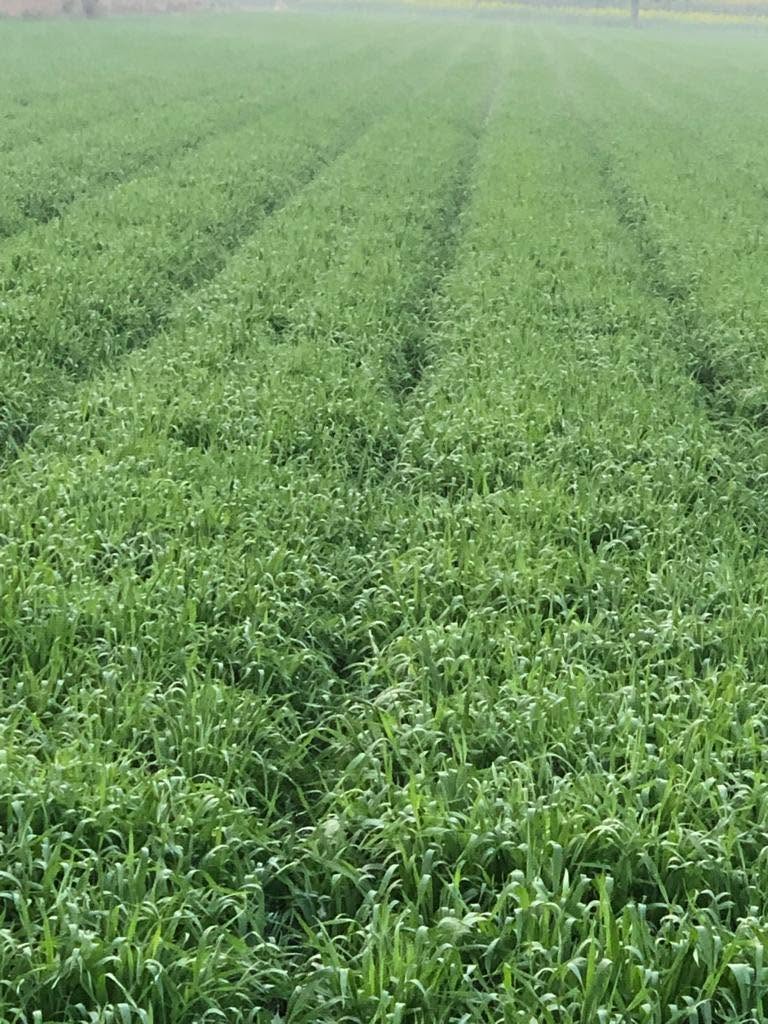
Join PQNK Learning Groups on WhatsApp
Anyone interested in joining our PQNK learning groups on WhatsApp should send a message to the admin at +92 325 0064442.
Message the Admin on WhatsApp