

Published July 25, 2026
Transforming Wheat Production through the Paedar Qudratti Nizam Kashatqari (PQNK)
Conventional wheat farming is locked into a cycle of high input costs and stagnant yields around 30 maunds per acre. This paper lays out the PQNK cost and revenue model for wheat, comparing it head-to-head against the conventional system and projecting the foreign exchange impact of national-scale adoption.
Abstract
Conventional wheat farming is trapped in a cycle of high costs and diminishing returns: repeated tillage, synthetic fertilizer (DAP and Urea), weedicides, and frequent flood irrigation push operational costs per acre while yields plateau around 30 maunds per acre, a ceiling that has not kept pace with rising input prices. The result is chemical burden on the soil, long-term fertility loss, and a commodity-market price that keeps farmer incomes low and vulnerable to shocks outside their control.
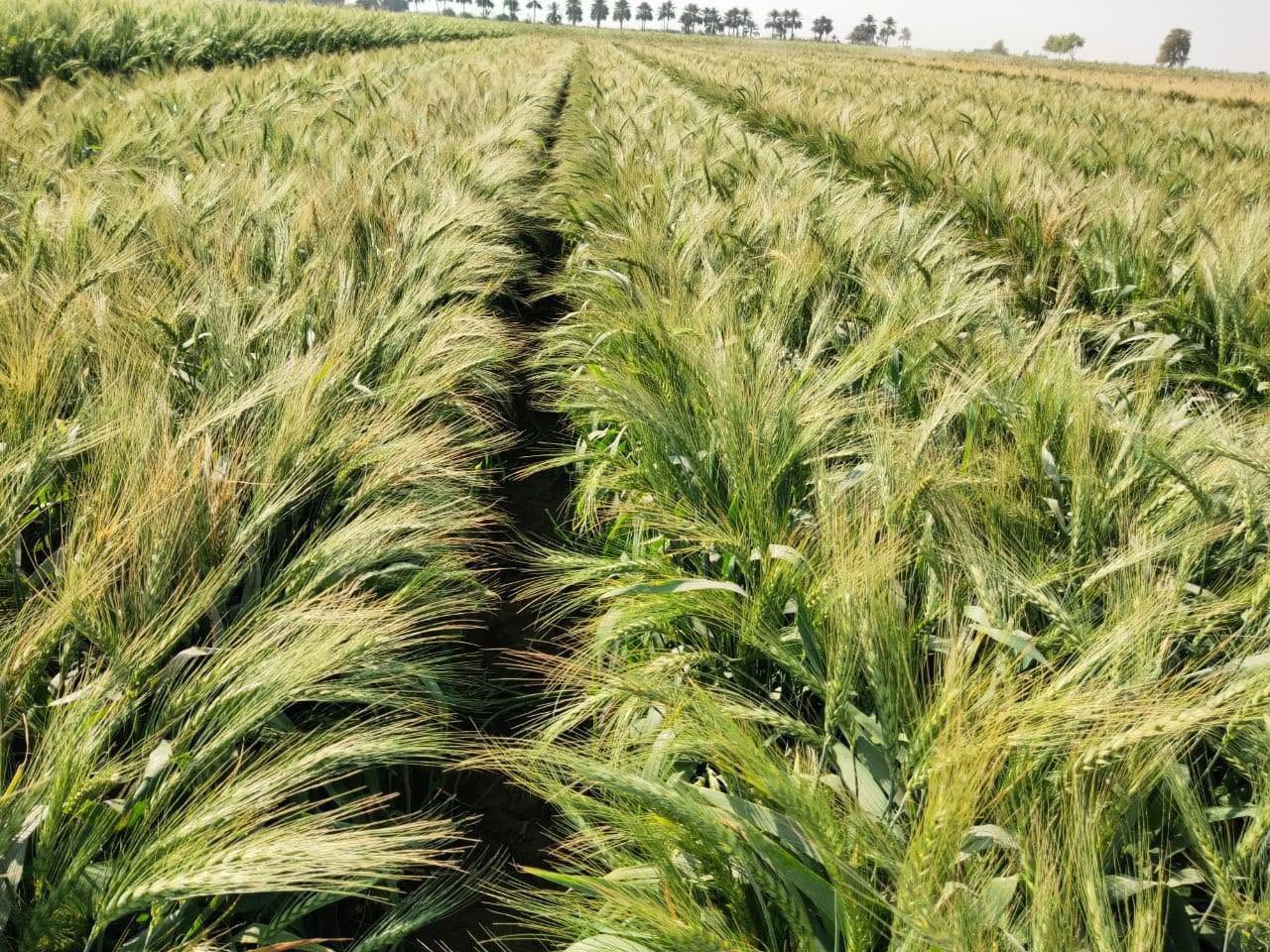
PQNK applies its regenerative lens to wheat as a precise, knowledge-based system rather than a substitution of one input for another. Zero-tillage direct seeding replaces three to four tillage passes; a precision seed rate of roughly 10 kg per acre replaces the dense 60 kg per acre conventional rate; and soil biology is left to provide nitrogen and solubilize phosphorus and other nutrients from the soil's own mineral reserves, eliminating the need for DAP and Urea altogether. Residue mulch suppresses weeds without chemical weedicides and cuts irrigation from four or five flood irrigations down to a maximum of two furrow irrigations.
The paper walks through a full per-acre cost and revenue comparison. Conventional production costs roughly PKR 39,000 per acre against a PQNK cost of about PKR 5,000, an 87% reduction. At a conservative PQNK yield of 45 maunds per acre sold into a premium organic market (PKR 7,500/maund versus PKR 3,500/maund for conventional grain), net profit rises from PKR 66,000 to PKR 332,500 per acre, an increase of more than 400%.
Scaling this to national policy, the paper models converting 20% of Pakistan's roughly 9 million hectares of wheat area to PQNK. At a PQNK yield of 4.0 tonnes per hectare and assuming 80% of that production is exported at a conservative $650 per tonne for 'Organic Plus' wheat, the resulting foreign exchange earnings approach US $3.75 billion, a figure the paper argues could rival or surpass forex earnings from established commodity export sectors. A 50% adoption scenario is also sketched, covering farmer prosperity, water savings, soil regeneration, and food security.
The paper closes with a four-pillar national proposal: knowledge transfer through master trainers and showcase farms, market linkage and a 'PQNK Organic Plus' export brand, policy support for the transition (including access to PQNK machinery), and a dedicated research and production-management entity to hit export targets.
Key Takeaways
- PQNK cuts wheat production costs per acre by roughly 87%, from about PKR 39,000 to PKR 5,000, mainly by eliminating tillage passes, DAP/Urea, and weedicides.
- PQNK yield is modeled at 45 maunds/acre versus 30 maunds/acre conventional, sold at a premium organic price of PKR 7,500/maund versus PKR 3,500/maund.
- Net profit per acre rises from PKR 66,000 to PKR 332,500, an increase of over 400%.
- Converting just 20% of national wheat area to PQNK is projected to generate nearly US $3.75 billion in export forex earnings.
- Irrigation drops from 4-5 flood irrigations to a maximum of 2 furrow irrigations thanks to residue mulch cover.
- The paper proposes a national 'PQNK Wheat for Prosperity' mission built on training, branding, policy support, and R&D.