

Published July 25, 2026
What This Uprooted Wheat Plant Is Telling Us — Through the PQNK ("picnic") Lens
A single stray wheat plant, pulled from the ground and photographed, becomes a full diagnostic reading of soil health in this short field note. Root structure, tillering, leaf color, and soil cling are each read as evidence the plant is in energy surplus rather than survival mode.
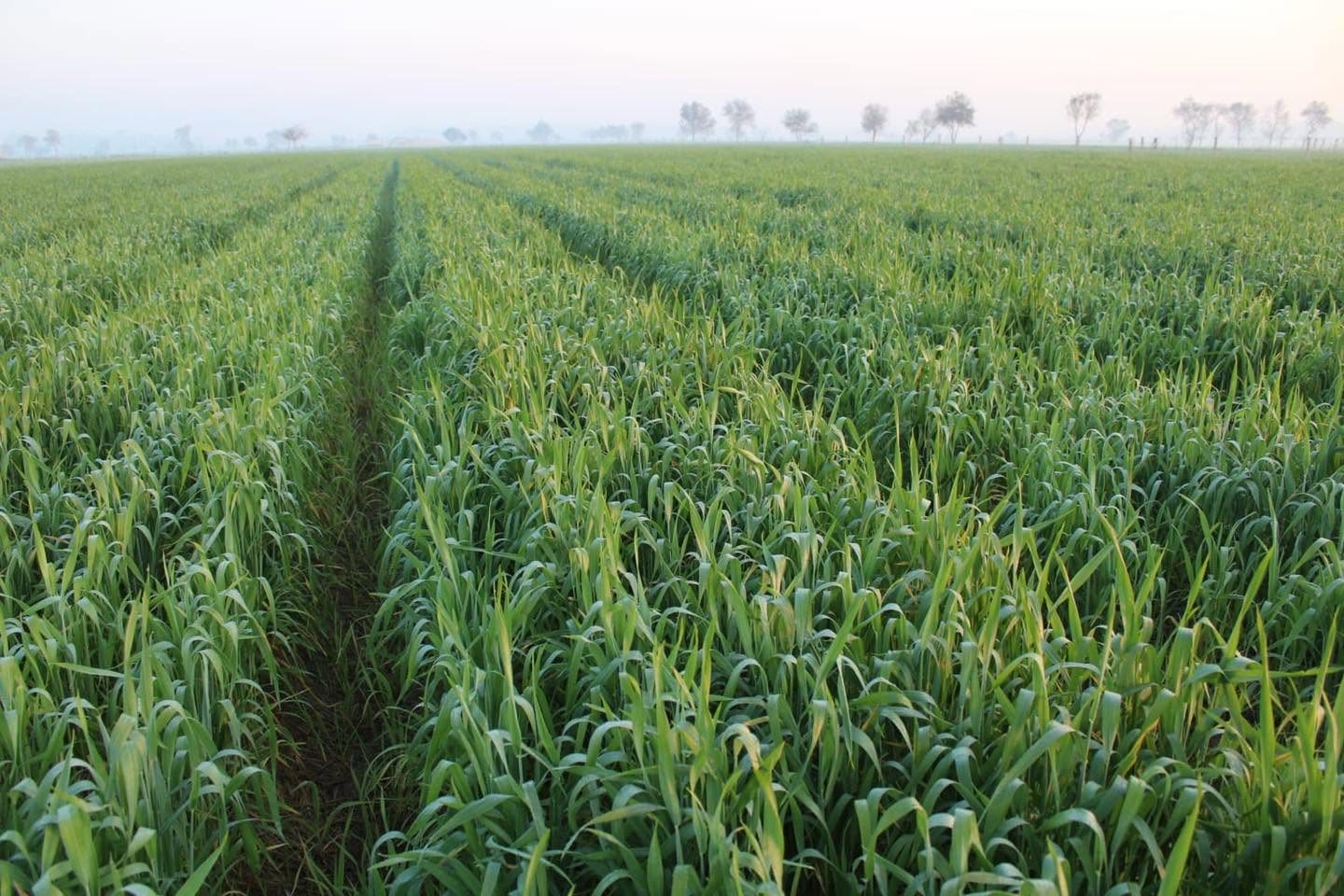
Abstract
The paper is built around a single photographed specimen, a stray wheat plant sown on 4 December 2025 and later pulled up for inspection, treated as a diagnostic instrument for the soil it grew in rather than simply as a crop sample. Its framing device is that PQNK reads plants this way as a matter of method: 'one honest plant tells more truth than 100 soil tests.'
The root system is read as the loudest signal: dense, fibrous, well-branched roots that are brown and intact rather than white and brittle, with soil naturally clinging to them in a crumb structure, interpreted as evidence of active mycorrhizae, bacteria, and fungi and a genuinely closed feeding loop between root and soil, a condition the paper states does not occur in dead, salt-loaded, or nitrogen-pushed ground. The crown and tillering pattern, a strong crown with multiple healthy tillers and no stress-driven stretching (etiolation), is read as an energy-surplus signal, evidence of correctly balanced auxin-cytokinin hormones and biologically slow-released rather than chemically forced nitrogen.
Shoot color and texture are read as a sap-quality signal: medium green, upright but flexible leaves without tip burn or necrosis are interpreted as stable Brix and protein-bound (rather than free) amino acids, conditions the paper argues carry low pest-attraction potential, since pests are drawn to diluted, nitrogen-heavy sap rather than balanced tissue. Soil aggregation is treated as the 'hidden proof': granular rather than powdery soil clinging to the roots after uprooting is read as active glomalin production (the fungal glue that binds soil particles) and ongoing carbon locking, evidence the paper describes as soil visibly shifting from 'dirt' to living 'soil' within weeks rather than decades.
Considering the plant's development against its December sowing date, the paper reads its pace as ahead of expectation without any artificial push, taking this as evidence that root nutrition, moisture-air-carbon balance, and independence from external inputs are all functioning correctly at this early stage.
It closes with direct, practical guidance addressed to the farmer: do not panic and add urea, do not over-irrigate, and do not disturb soil biology; instead maintain gentle moisture, keep roots undisturbed, and let the biology compound on its own, framing the plant's overall message as reassurance that the current management approach is correct and should not be interrupted.
Key Takeaways
- Uses a single uprooted, photographed wheat plant as a full diagnostic reading of soil biological health, rather than relying on lab soil tests alone.
- Dense, fibrous, intact brown roots with naturally clinging crumb-structure soil are read as direct evidence of active mycorrhizal and microbial partnership.
- Strong tillering with no etiolation (stress stretching) is interpreted as an energy-surplus signal, evidence of correctly balanced plant hormones and slow-released biological nitrogen.
- Granular (not powdery) soil aggregation clinging to roots is read as active glomalin production, the fungal 'glue' that the paper says can rebuild soil structure in weeks rather than decades.
- Medium-green, non-burnt leaf tissue is interpreted as stable sap quality with low pest-attraction potential, since pests are drawn to diluted, nitrogen-heavy sap.
- Closes with explicit don't-intervene guidance: no urea, no over-irrigation, no soil disturbance, just gentle moisture and patience.