
Knowledge Papers
In-depth research papers behind PQNK: the science, the engineering, and the field evidence, published regularly as our work develops.
What do you need to know?
Search in your own words, or browse by crop, problem, PQNK Science, or field practice.
186 papers match
Plant Physiology & Production Systems
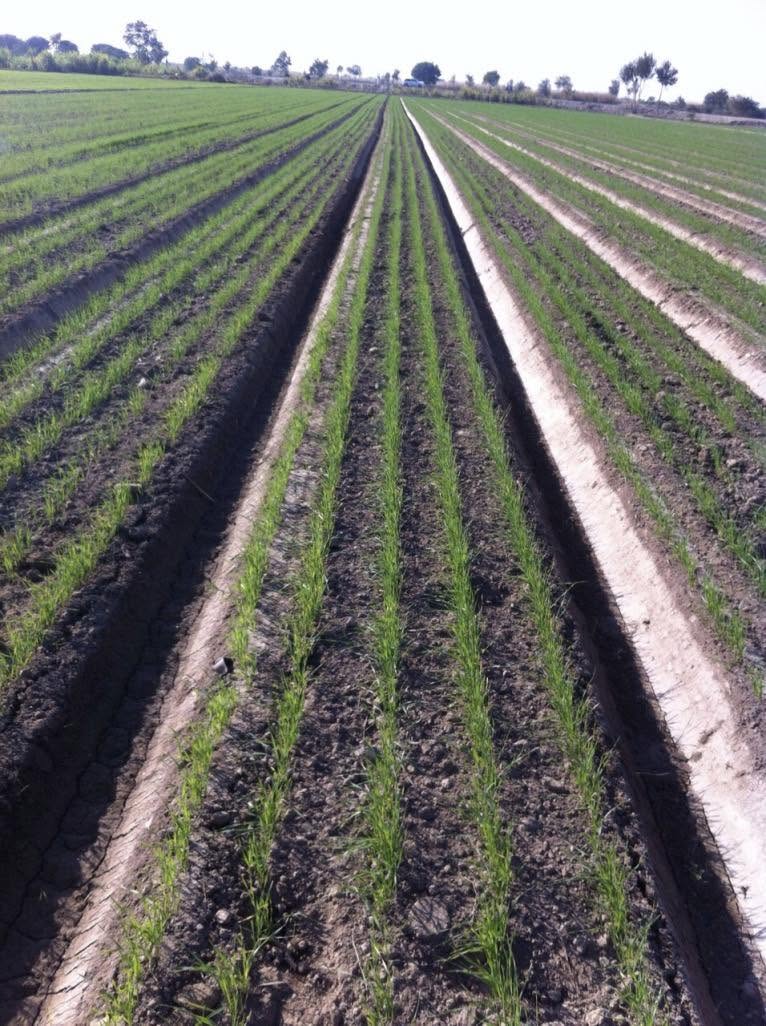
The Evolution of Seed Placement: Why the Seed Opener Was Left Behind
A century of planter engineering perfected the seed meter but never solved the seed opener, the part of the machine that actually places seed in the soil. This paper traces that history and explains the SIPP and VIPP no-till planters Pedaver engineered to close the gap.
Problem · Poor Germination / Emergence, Weak / Shallow Root Establishment
Science · Production Architecture, Plants
Crop-Specific Guides
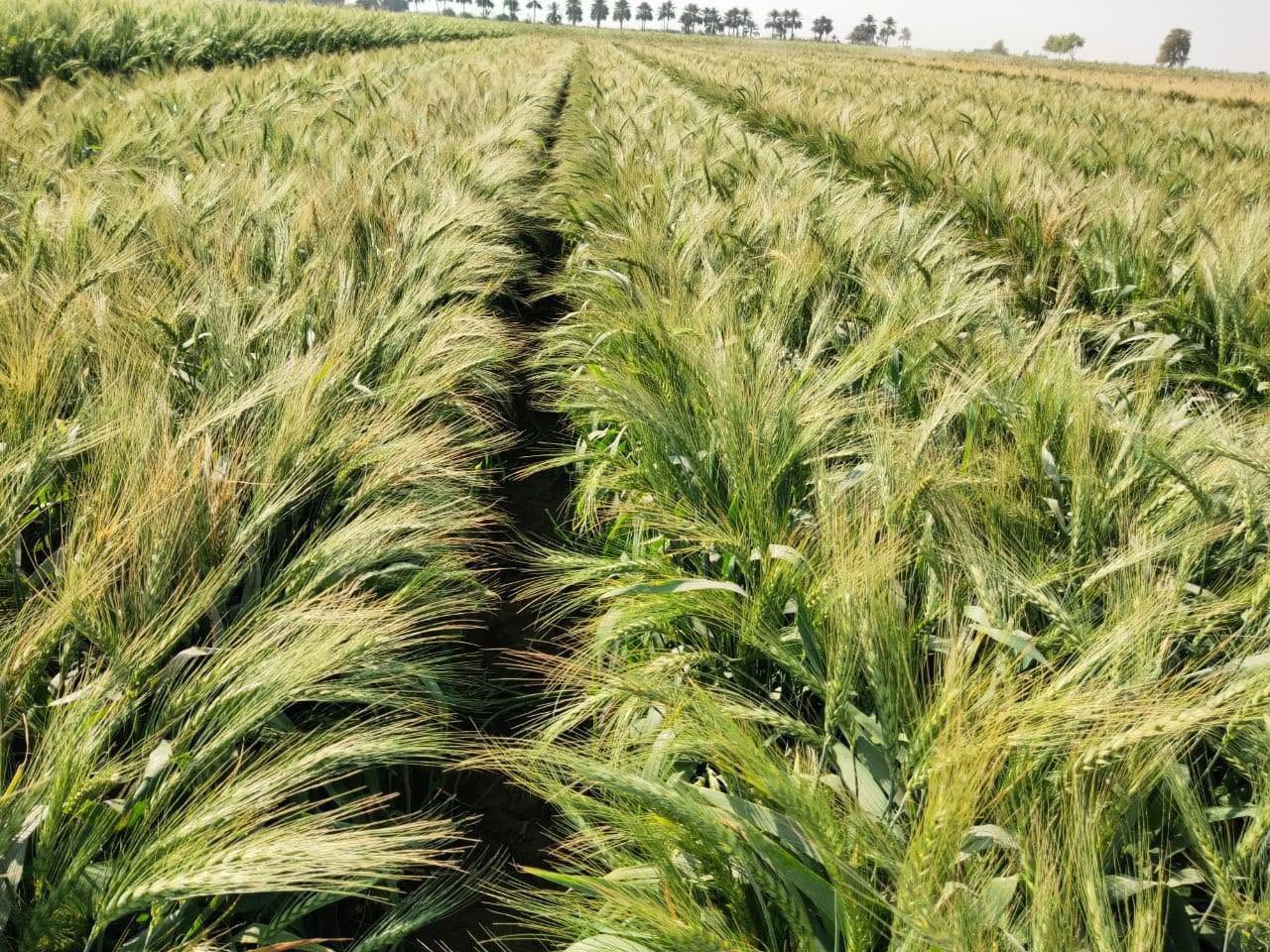
Transforming Wheat Production through the Paedar Qudratti Nizam Kashatqari (PQNK)
Conventional wheat farming is locked into a cycle of high input costs and stagnant yields around 30 maunds per acre. This paper lays out the PQNK cost and revenue model for wheat, comparing it head-to-head against the conventional system and projecting the foreign exchange impact of national-scale adoption.
Crop · Wheat
Problem · High Input / Production Cost, Yield Stagnation / Decline
Science · Economics, Soil, Water
Crop-Specific Guides
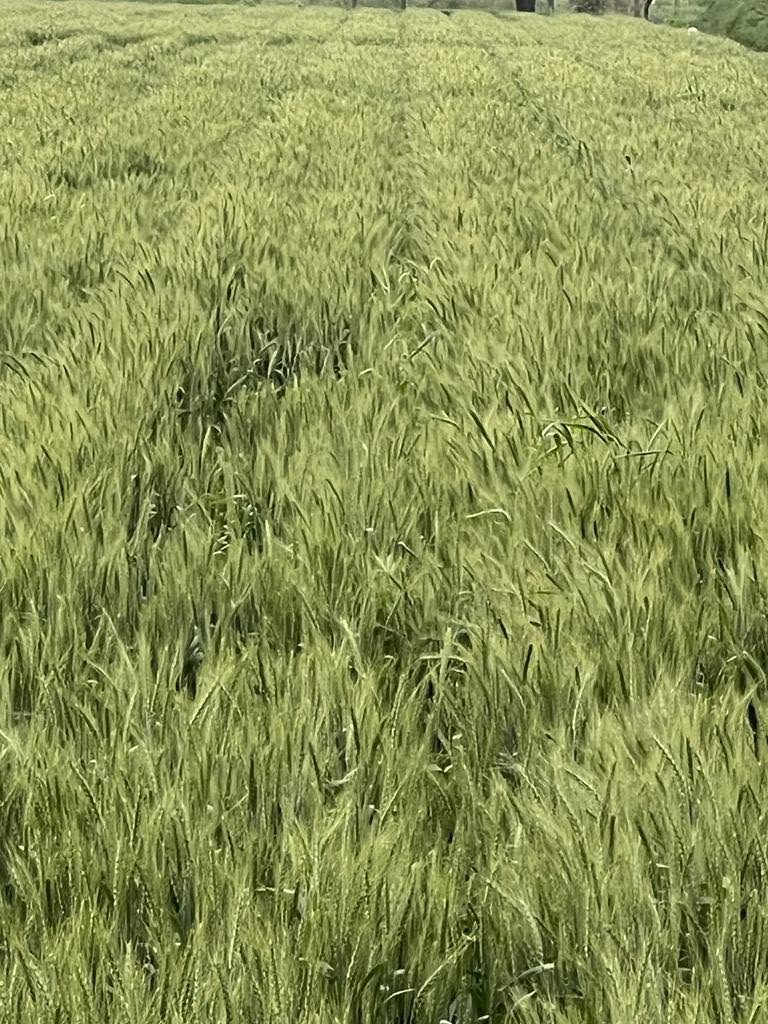
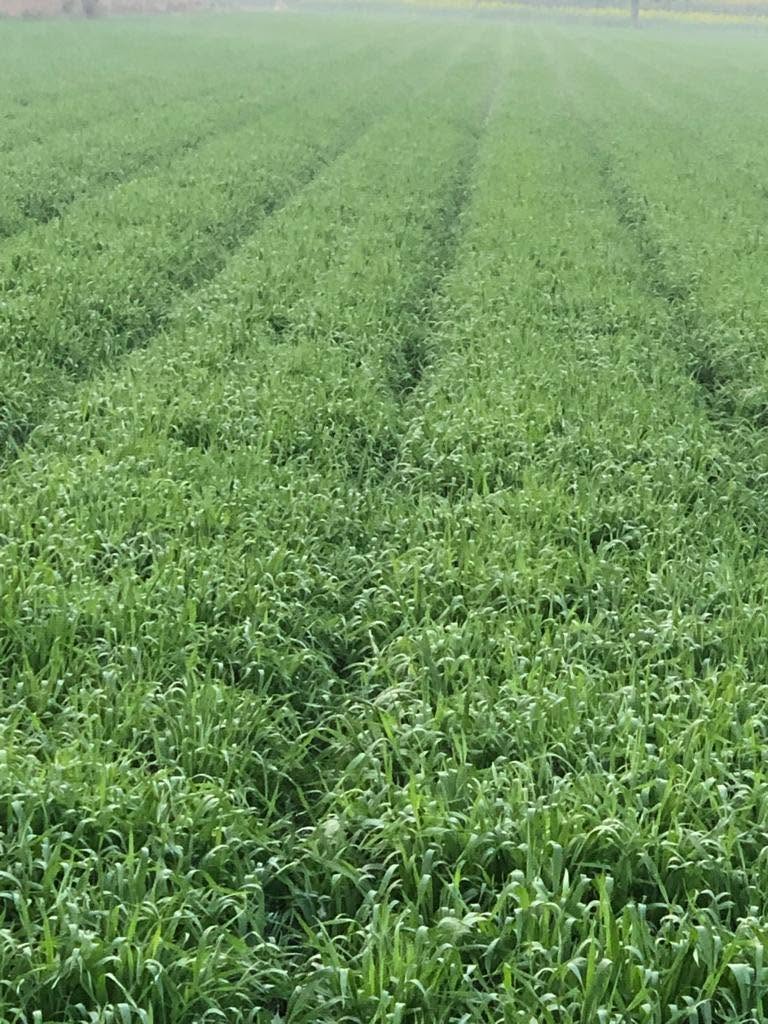
Under PQNK ReviewEnhancing Wheat Crop Lifespan through the PQNK System
The short, rapidly warming spring of the Indian subcontinent forces wheat into premature ripening and shriveled grain under conventional management. This paper explains the soil-biology mechanisms by which PQNK extends the crop's productive lifespan, letting it fill grain longer and yield more even under heat stress.
Crop · Wheat
Problem · Harvest Timing Problems (Premature or Delayed), Grain Quality Defects (Chalkiness, Breakage, Shriveling)
Science · Soil, Plants, Water
Crop-Specific Guides
External EvidenceModern (Green Revolution) Semi-Dwarf Wheat vs. Heirloom and Ancient Wheat Varieties
A critical review of the popular claim that Green Revolution semi-dwarf wheat is inherently more harmful than heirloom varieties. Applying the PQNK lens, the paper argues the farming system, not just the genetics, is the overlooked variable driving gluten-related health concerns, and that soil biology can meaningfully change a grain's nutritional and digestive profile regardless of variety.
Crop · Wheat
Problem · Declining Nutrient Density in Food, Diet-Related Health / Food Security Concern
Science · Nutrition, Food Quality, Soil
Crop-Specific Guides
Transforming Pakistan's Sugar Industry Through the PQNK (Pristine Organic Farming) System
Pakistan's sugar sector runs on a decades-old cycle of farmer exploitation, long-haul cane transport, and volatile supply. This paper proposes concentrating high-yield PQNK sugarcane cultivation within a 10-15 km radius of each mill, and models the profit, sugar-recovery, and crushing-season gains that follow.
Crop · Sugarcane
Problem · High Input / Production Cost, Grain Quality Defects (Chalkiness, Breakage, Shriveling)
Science · Economics, Production Architecture, Water
Crop-Specific Guides
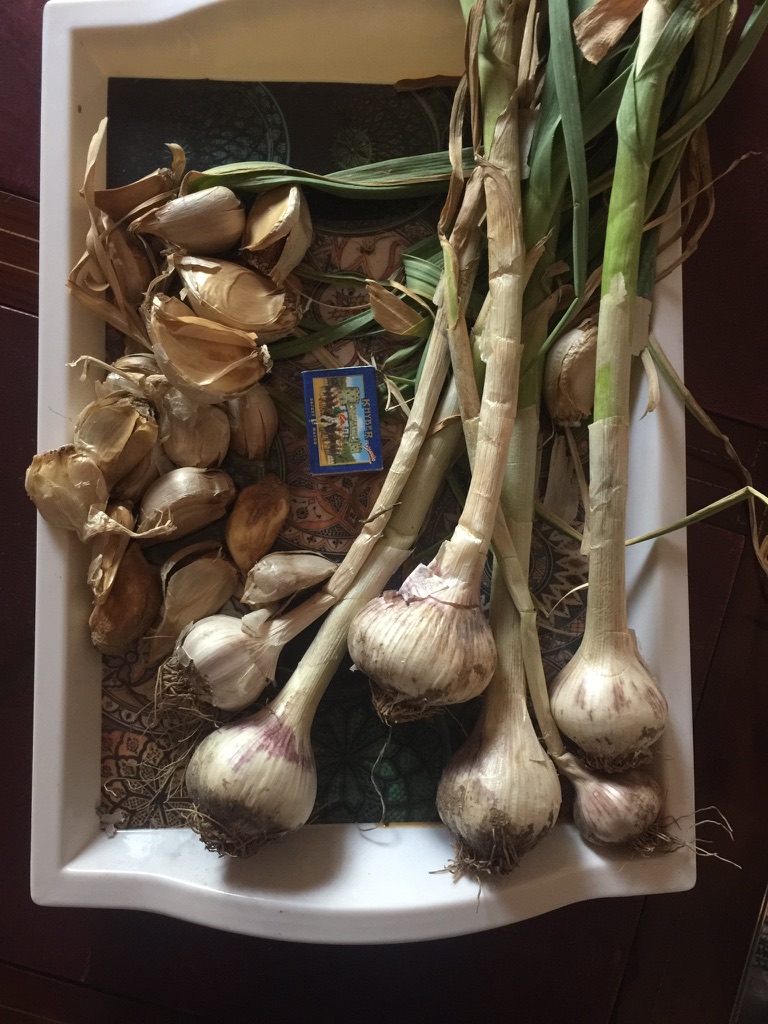
Under PQNK ReviewPQNK - The Paradigm Shift for Sustainable, Profitable, and Climate-Resilient Rice Cultivation
Pakistan's Basmati export sector faces a triple threat of quality rejections, water scarcity, and methane emissions from flooded paddies. This paper presents PQNK's move 'beyond flooded fields' to direct-seeded rice on permanent mulched beds, arguing it solves all three problems simultaneously rather than trading one for another.
Crop · Rice, Sugarcane
Problem · Contamination / Residue / Food Safety Risk, High Crop Water Demand
Science · Water, Climate, Food Quality
Crop-Specific Guides
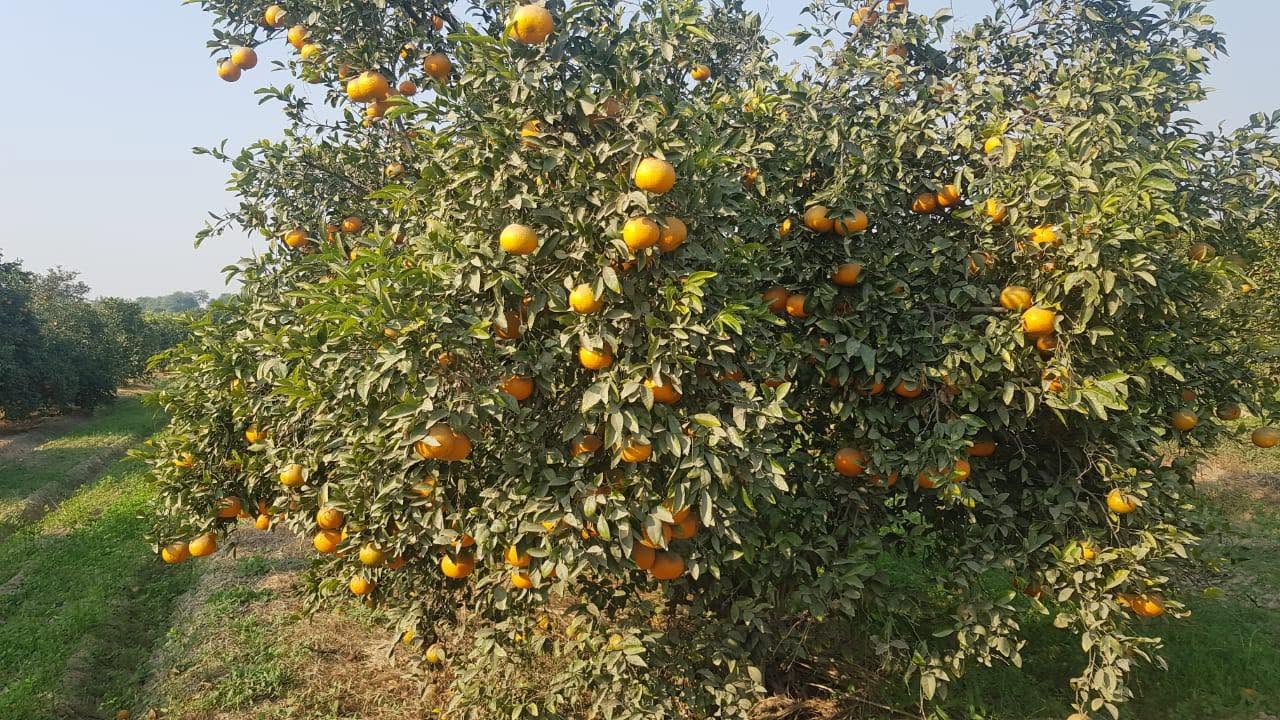
Transforming Garlic and Onion Cultivation through the PQNK Regenerative System
Garlic and onion farming has been squeezed by rising labour costs and heavy agrochemical reliance, pushing countries toward import dependence. This paper shows how PQNK's raised-bed geometry and mulch management quadruple planting density and let farmers reach up to 300 maunds per acre without synthetic inputs.
Crop · Garlic, Onion
Problem · Labor Scarcity / Cost, High Input / Production Cost
Science · Production Architecture, Water, Economics
Crop-Specific Guides
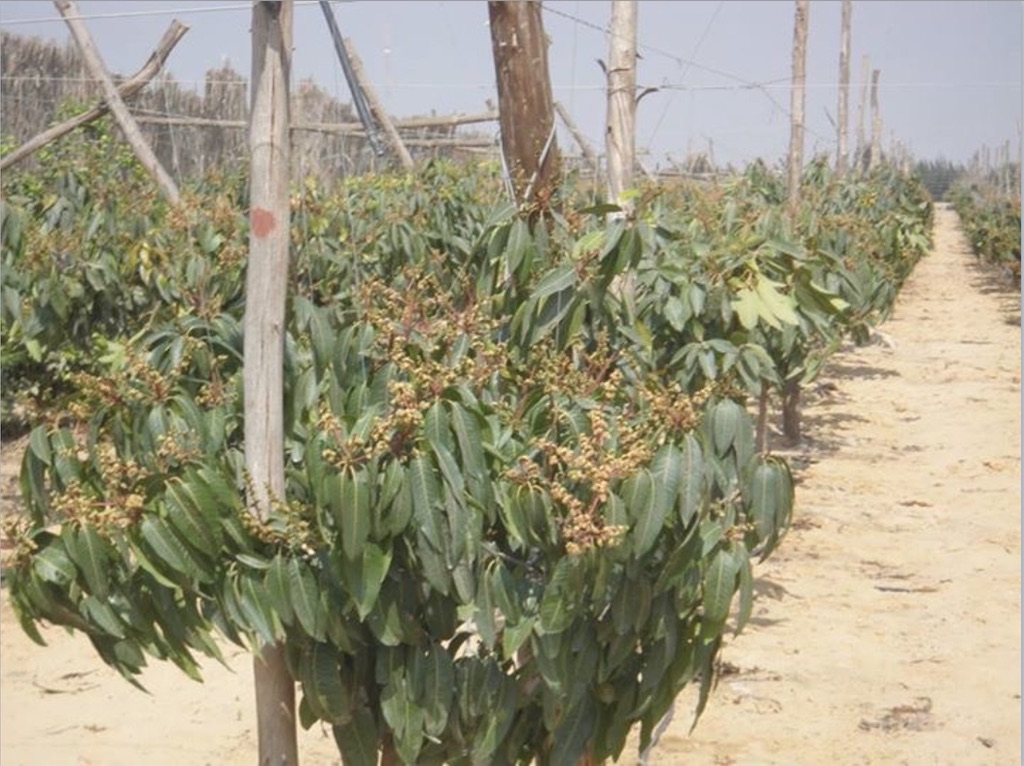
Restoring Prosperity in Citrus and Mango Orchards Through the PQNK Regenerative System
Decades of industrial orchard management have driven a 60% decline in Kinnow nutrition density and widespread orchard abandonment. This paper presents field data from a Toba Tek Singh comparison and the Sujjahabad Mango Research Station showing how PQNK reverses that decline, lifting A-grade fruit yield by up to 80%.
Crop · Citrus (Kinnow), Mango
Problem · Declining Nutrient Density in Food, Yield Stagnation / Decline
Science · Soil, Biodiversity, Crop Protection
Crop-Specific Guides
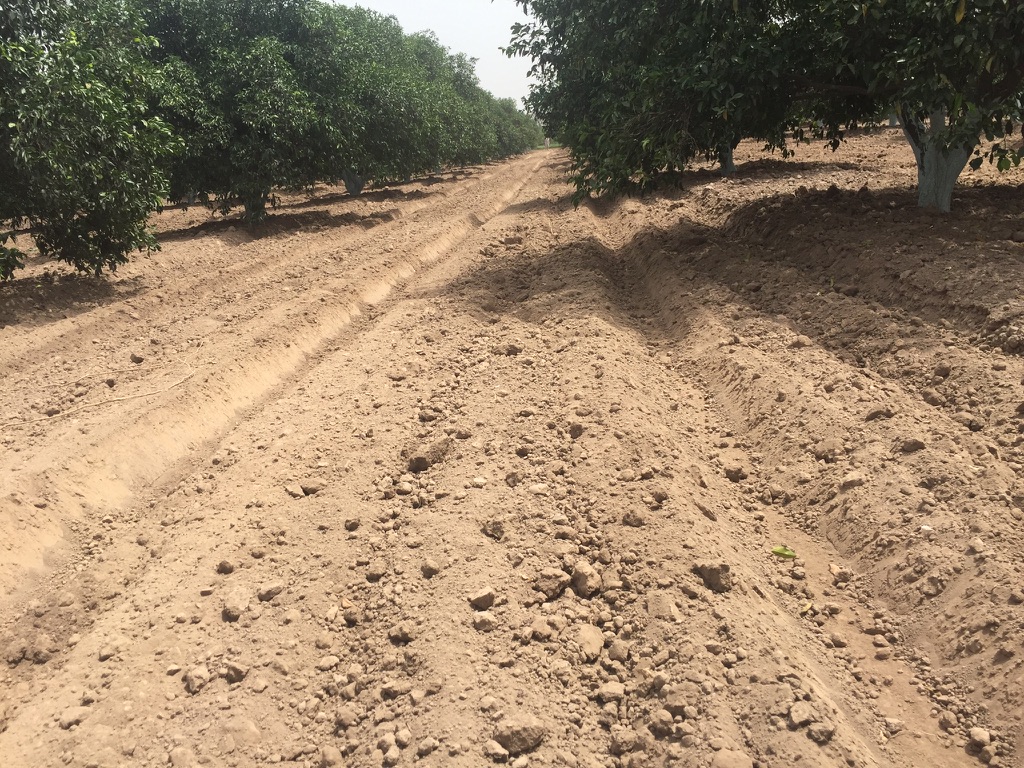
Optimizing Mango Pruning Within a Self-Sustaining PQNK Ecosystem for Punjab
This advisory paper reframes mango pruning as an ecological signal rather than a mechanical operation, timed to Punjab's cold dormant winter to redirect the tree's stored energy from vegetative growth into flowering. It sets out the precise December pruning protocol and the no-irrigation, no-fertilization discipline that makes it work.
Crop · Mango
Problem · Excess Vegetative Growth (at expense of yield/flowering), Poor Flowering / Fruit Set
Science · Plants, Climate, Production Architecture
Crop-Specific Guides
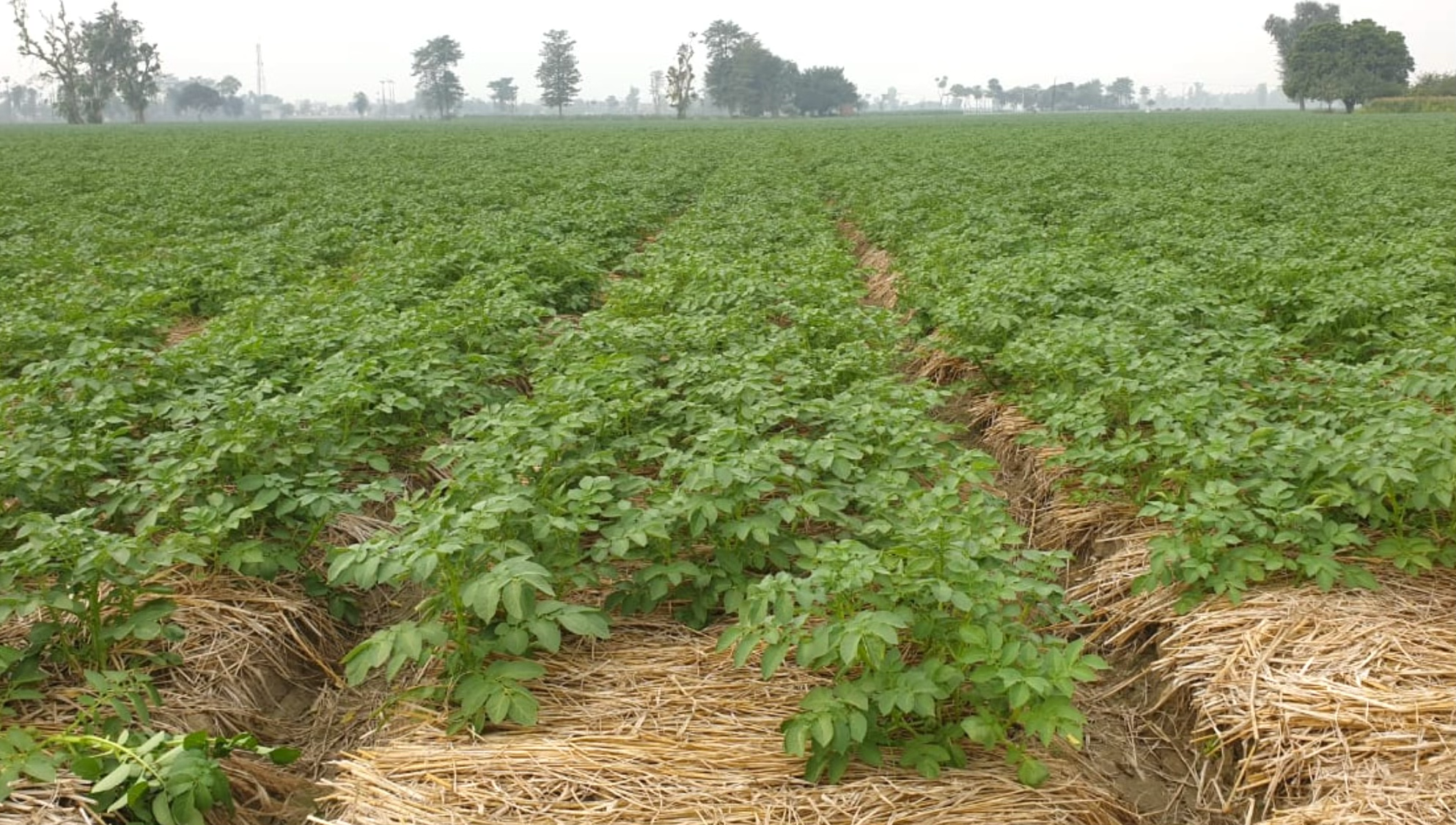
Achieving a High-Density Kinnow Plantation through the PQNK Framework: A Comparative Analysis of Rootstock Options and Their Synergy with Regenerative Soil Ecology
High-density Kinnow planting depends on getting two decisions right together: rootstock selection and soil environment. This paper argues that Flying Dragon Trifoliata's dwarfing trait is a deliberate design choice, not a compromise, and shows how it only delivers its full benefit inside a PQNK raised-bed root zone.
Crop · Citrus (Kinnow)
Problem · Excess Vegetative Growth (at expense of yield/flowering), Fungal / Bacterial Disease
Science · Soil, Plants, Production Architecture
Crop-Specific Guides
The Future of Potato Cultivation: A Scientific and Economic Comparison of ACI, Global Best Practices, and the PQNK Framework
Conventional potato farming traps growers in a cycle of high input costs, a hard yield ceiling near 14 tonnes per acre, and boom-bust pricing. This paper compares conventional (ACI), Global Best Practice, and PQNK potato systems on plant physiology, economics, and risk, and lays out a year-by-year transition pathway for farmers.
Crop · Potato
Problem · Soil Compaction (General), Yield Stagnation / Decline
Science · Soil, Plants, Economics
Crop-Specific Guides
Watermelon Cultivation Under the Paedar Qudratti Nizam Kashatqari (PQNK): A Guideline Based on Practical Field Observations
PQNK watermelon takes 90-100 days to mature instead of 70 under chemical systems, not a delay but evidence of the plant building a real root-microbiome partnership first. This guideline works through frost protection, vine training, tip-cutting after fruit set, shade-based shrinkage prevention, and a cold-water field-heat removal protocol that holds fruit quality for 10-14 days.
Crop · Watermelon
Problem · Cold / Frost Damage, Heat Stress on Crop
Science · Plants, Climate, Water
Crop-Specific Guides
Comprehensive Advisory on 'Batoor' Flower Management in Mango: Blending Traditional Wisdom with Scientific Insight
'Batoor', the stunted, non-productive mango inflorescences that worry farmers every spring, are traced in this advisory to hormonal imbalance and resource-stress abortion under conventional management. It contrasts the corrective pruning conventional orchards need with the rare, largely preventive role the same practice plays inside a mature PQNK ecosystem.
Crop · Mango
Problem · Poor Flowering / Fruit Set, Hormonal Growth Imbalance (Vegetative/Reproductive)
Science · Plants, Soil
Crop-Specific Guides
Commercial Rhodes Grass Production Under PQNK: A Factsheet for Punjab & Adjacent Areas
Rhodes grass (Chloris gayana) is a drought-tolerant fodder grass well suited to Punjab's erratic rainfall, and this factsheet lays out its PQNK production pathway from no-till establishment through 80-100 tonnes of chemical-free green fodder per acre per year, closing the loop with on-farm seed multiplication.
Crop · Rhodes Grass
Problem · Erratic / Unpredictable Weather Patterns, Saline / Alkaline / High-pH Soil
Science · Soil, Water, Biodiversity
Crop-Specific Guides
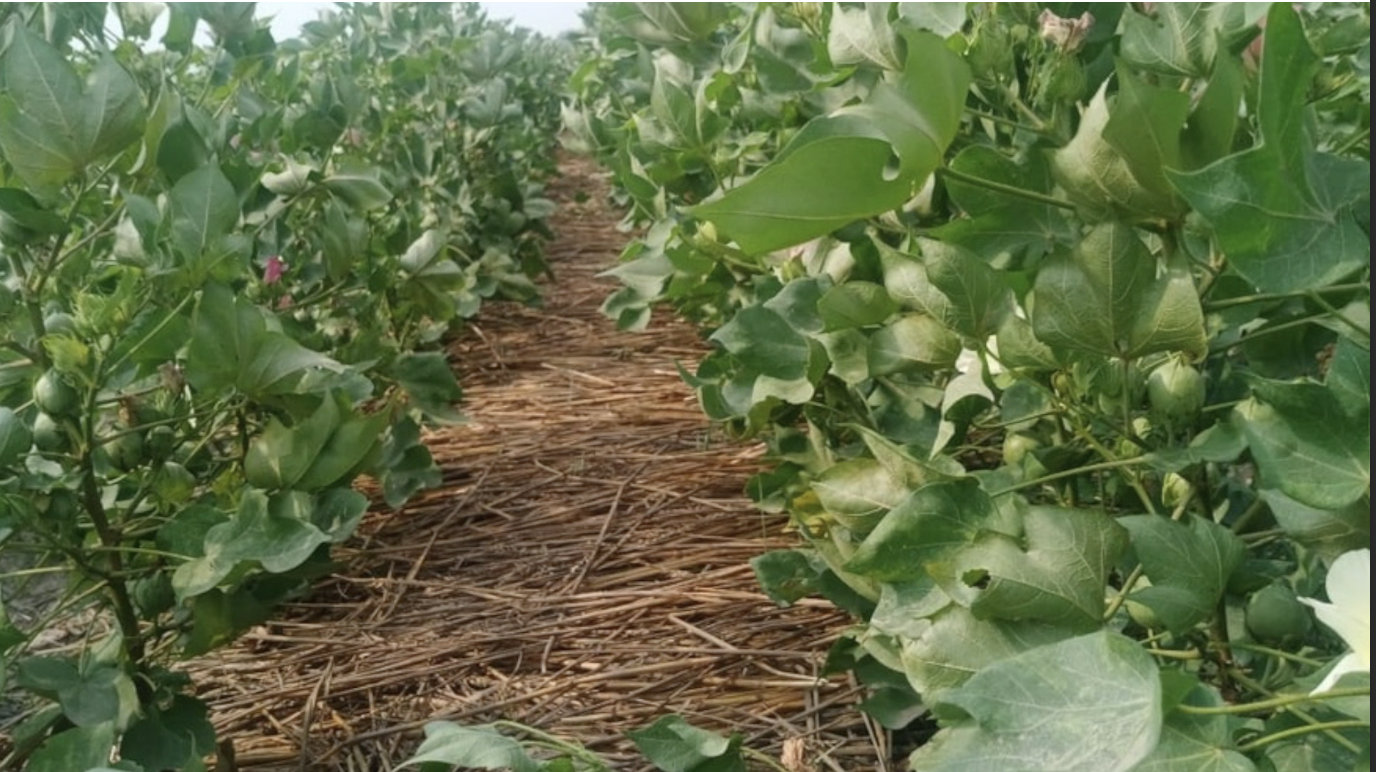
Under PQNK ReviewFactsheet: Commercial Bamboo Plantation Under PQNK
Bamboo behaves as a 'soil engine' under PQNK: a no-till, hardpan-broken planting of 726 plants per acre that needs no synthetic inputs, sequesters carbon, and stays productive for 60-100 years once established. This factsheet lays out species selection, the four-phase establishment protocol, and the water, nutrient, and weed management rules that keep the system self-sustaining.
Crop · Bamboo
Problem · General Soil Fertility / Land Degradation, Monoculture Vulnerability
Science · Soil, Water, Climate
Crop-Specific Guides
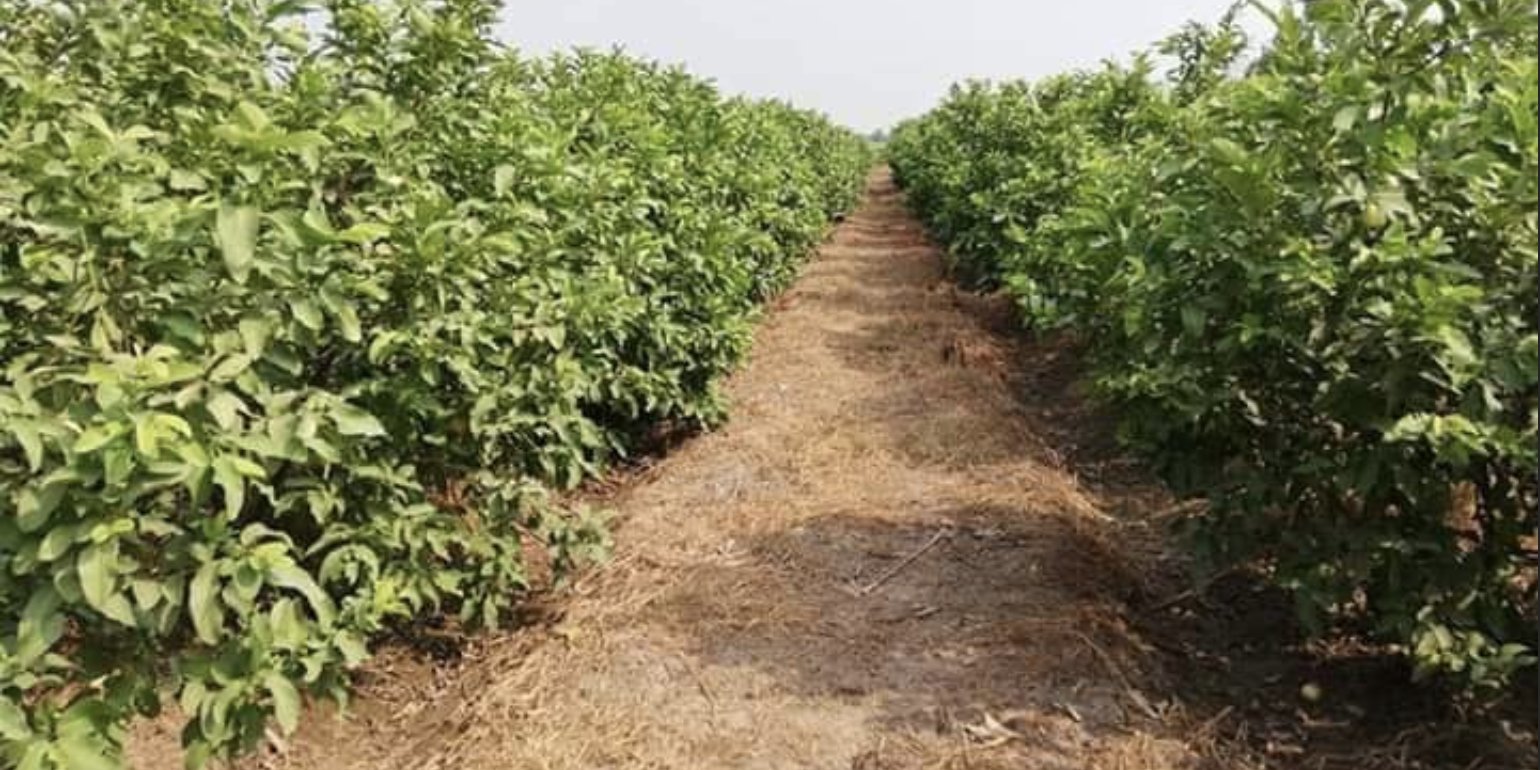
Under PQNK ReviewCotton Cultivation by Mulching
Straw and plastic mulching trials run over several years at the Central Cotton Research Institute in Multan cut cotton production costs by half, reduced water use by 30%, and lifted output by 30%. This paper by Sajid Mahmood surveys the organic and inorganic mulching materials behind those results and the weed-suppression, moisture-retention, and temperature-buffering mechanisms that drive them.
Crop · Cotton
Problem · High Crop Water Demand, High Input / Production Cost
Science · Soil, Water, Crop Protection
Crop-Specific Guides
Fruit Tree Alleys and Filler Crops on PQNK
This design paper lays out a one-acre PQNK layout that interplants date palm, citrus, guava, mango, grapes, ginger, and fig in permanent raised-bed fruit alleys alongside dedicated vegetable beds, modeling roughly PKR 165,000 in establishment cost against over PKR 1.3 million in projected annual income.
Crop · Date Palm, Citrus (Kinnow), Guava
Problem · Idle / Underused Field Time, High Input / Production Cost
Science · Production Architecture, Water, Economics
Crop-Specific Guides
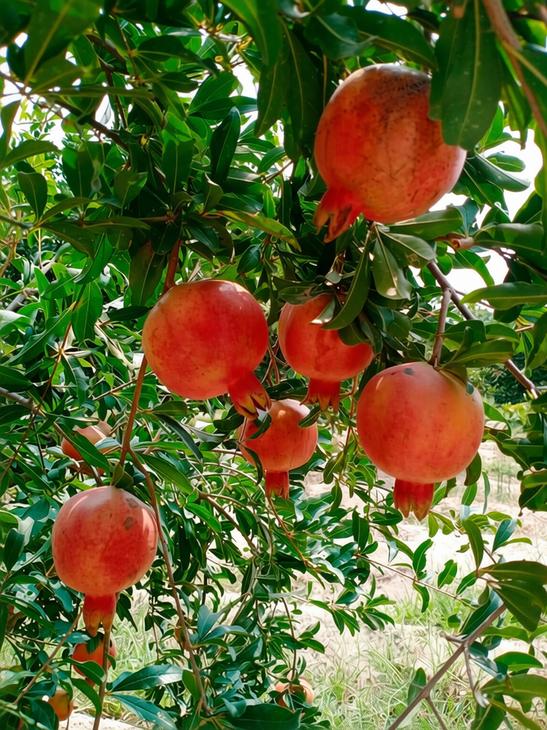
Knowledge Paper: Achieving High-Density Pomegranate Production Through the PQNK (Picnic) Pristine Organic Farming System
This knowledge paper sets out the full methodology for a 544-plant-per-acre pomegranate orchard under PQNK: the four-step soil recovery protocol that converts degraded land into a closed-loop system, and the four management pillars, zero soil disturbance, natural irrigation, inherent pest management, and structural pruning, that keep it that way.
Crop · Pomegranate
Problem · Waterlogging, Saline / Alkaline / High-pH Soil
Science · Soil, Water, Crop Protection
Crop-Specific Guides
Under PQNK ReviewKnowledge Paper: High-Density Amla Farming Under PQNK
Amla's naturally deep taproot makes it an ideal closed-loop PQNK crop, and this paper walks through the five-step protocol, hardpan breaking, pH correction, Jantar-built raised beds, no-till mulch planting, and phenology-timed pruning, that gets roughly 545 trees per acre to a sustained yield of 10-14 tonnes per acre by year five.
Crop · Amla
Problem · Saline / Alkaline / High-pH Soil, Hardpan
Science · Soil, Plants, Crop Protection
Crop-Specific Guides
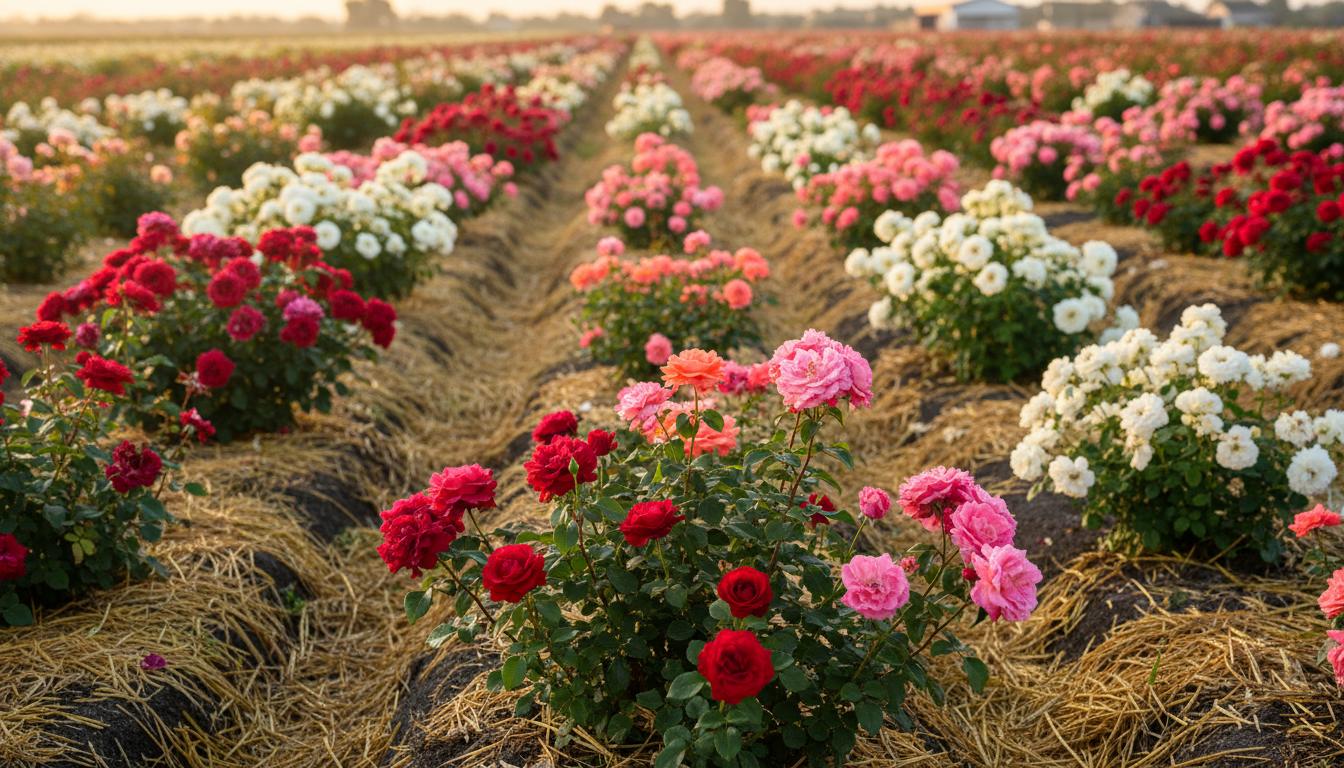
Under PQNK ReviewKnowledge Paper: PQNK Rose Production
Cut-flower rose production is reframed as a closed-loop perennial system under PQNK, reaching a striking 8,712 plants per acre on twin-row permanent beds, with weeds treated as mulch, alfalfa grown as living nitrogen-fixing ground cover, and strict soil-moisture management replacing scheduled irrigation.
Crop · Rose
Problem · Saline / Alkaline / High-pH Soil, Hardpan
Science · Soil, Plants, Water
Crop-Specific Guides
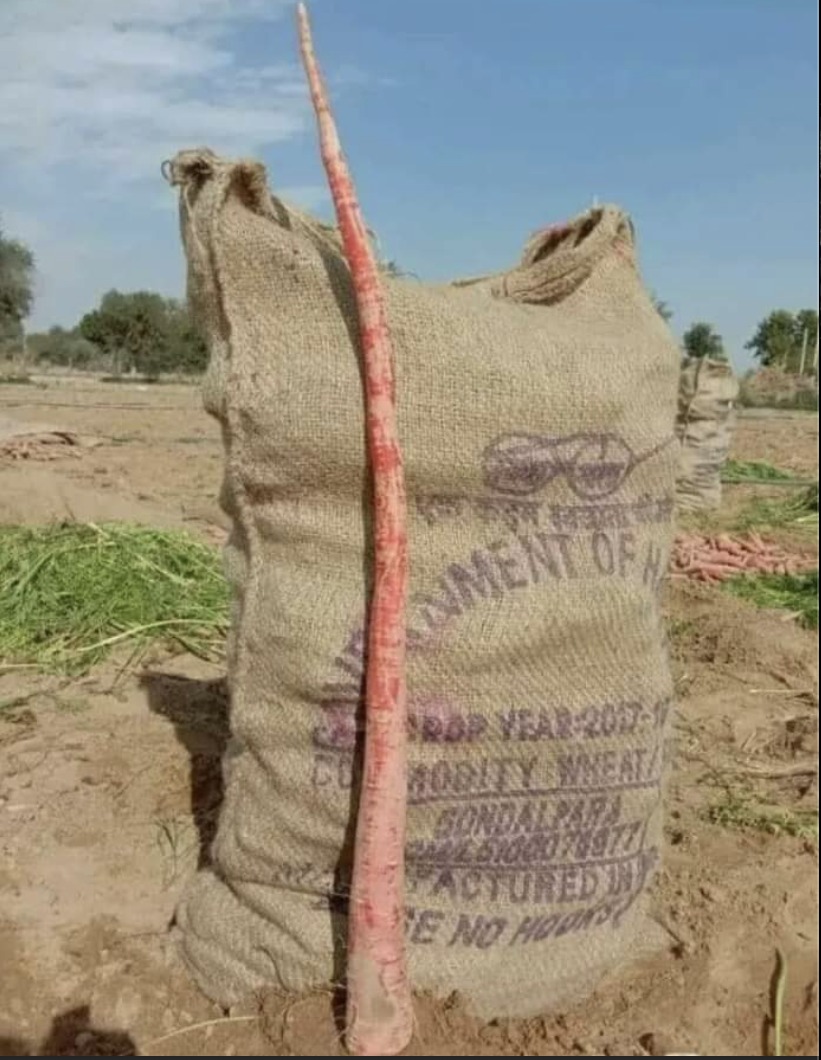
Comprehensive Guide: High-Anthocyanin Black Carrot Under the PQNK Closed-Loop System
Written for a farmer under contract to supply anthocyanin for nutraceutical extraction, this guide explains the cold-stress biochemistry behind pigment concentration in black carrot and how PQNK's stable 13-26°C root zone lets a farmer trigger that stress deliberately, through timed irrigation intervals, cool nights, and a low-dose ethanol spray, without ever starving the plant.
Crop · Black Carrot
Problem · Weak Flavor / Aroma / Quality Sensory Markers, Price Volatility / Market Glut
Science · Plants, Water, Nutrition
Crop-Specific Guides
A Knowledge Paper on Citrus Flowering and Fruiting Within the PQNK Ecosystem
Citrus flowers are bisexual and fully self-pollinating, meaning every bloom is a potential fruit, so this paper argues that flower drop is not natural sexual sorting but a stress response, and that the single most damaging intervention a farmer can make in a mature PQNK bed is watering it.
Crop · Citrus (Kinnow)
Problem · Poor Flowering / Fruit Set, Over-Irrigation
Science · Plants, Water, Soil
Crop-Specific Guides
PQNK Advisory Paper: Tomato (Solanum lycopersicum)
Tomato is naturally perennial in its tropical highland origin, and this advisory shows how PQNK's stable microclimate, mulch, living companion canopy, and a low-dose ethanol spray, can restore that perennial behavior in open-field cultivation, alongside a full sucker-pruning and harvest protocol.
Crop · Tomato, Basil, Lettuce
Problem · Heat Stress on Crop, Cold / Frost Damage
Science · Plants, Climate, Production Architecture
Crop-Specific Guides
PQNK Advisory: Strategic Pruning of Brinjal (Eggplant) for a Prolific Harvest
This advisory frames brinjal pruning not as damage control but as energy stewardship, walking through a three-phase framework, an early architectural tip-pinch, ongoing canopy-opening cuts, and a mid-season rejuvenation prune, that keeps a closed-loop PQNK bed producing continuous flushes of fruit.
Crop · Brinjal (Eggplant)
Problem · Yield Stagnation / Decline, Excess Vegetative Growth (at expense of yield/flowering)
Science · Plants, Production Architecture
Crop-Specific Guides
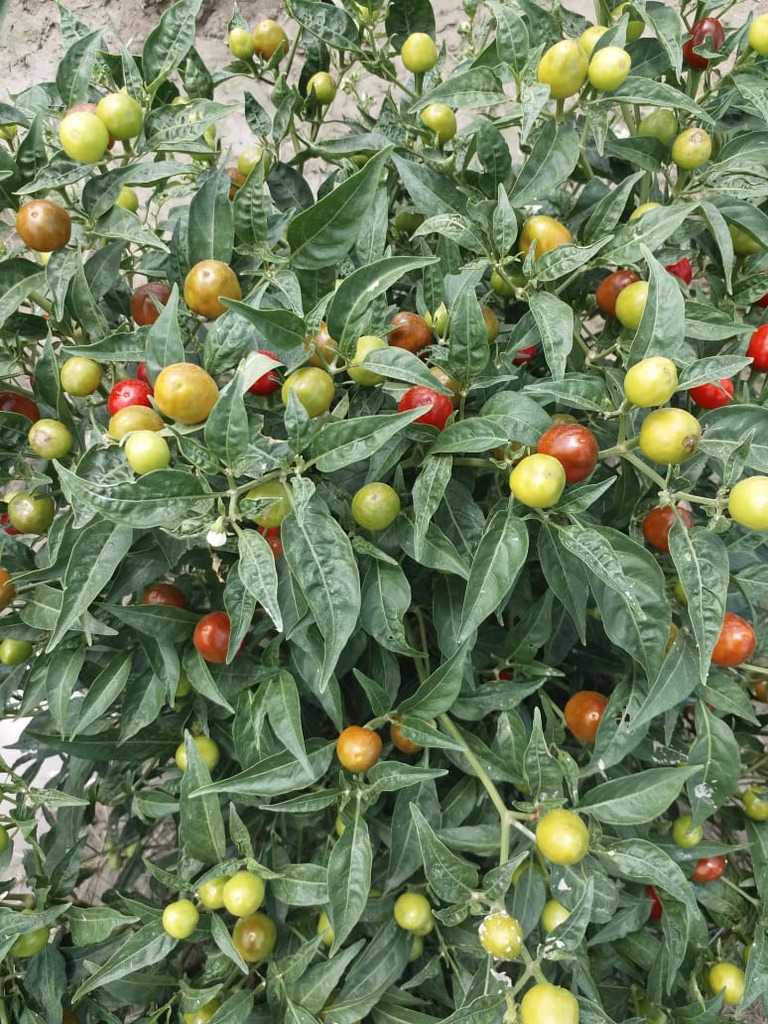
Under PQNK ReviewChilli Production Under PQNK (PICNIC)
Chilli is biologically perennial and can remain productive for over a decade, but conventional short-cycle, urea-dependent management collapses that potential into a pest-prone annual grind. This paper shows how PQNK's soil-conversion framework and a single apical-pinching intervention restore chilli to a low-cost, high-density perennial crop, validated on a Hafizabad farm.
Crop · Chilli, Bottle Gourd, Okra
Problem · Yield Stagnation / Decline, General Pest Pressure
Science · Soil, Plants, Crop Protection
Crop-Specific Guides
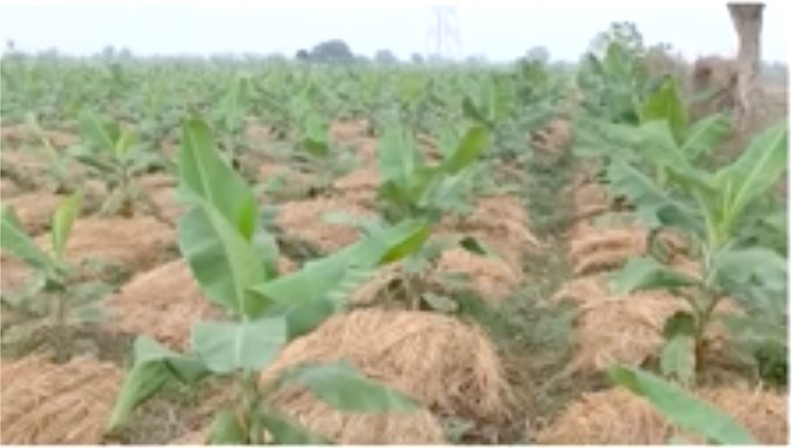
Banana Cultivation on PQNK (PICNIC)
Documenting a tissue-culture banana plantation in the frost-prone, heat-extreme foothills of Nainital, this paper argues that banana is not climate-limited but soil-limited, and that a permanent grass and mulch cover, not soil cleanliness, is what lets it survive both winter frost and summer heat without chemical inputs.
Crop · Banana
Problem · Cold / Frost Damage, Heat Stress on Crop
Science · Soil, Plants, Climate
Crop-Specific Guides
Sugarcane: The Bamboo Principle
Sugarcane is conventionally treated like wheat, sown, harvested, and replanted every few years, but this paper argues it is biologically identical to bamboo: a rhizome-forming perennial that gets stronger, not weaker, with repeated selective harvesting. It lays out the wide-spacing planting geometry and selective-cut discipline behind PQNK yields of 80-120 tonnes per acre over an 8-10-plus year plantation life.
Crop · Sugarcane
Problem · Yield Stagnation / Decline, Fungal / Bacterial Disease
Science · Soil, Plants, Production Architecture
Crop-Specific Guides
Under PQNK ReviewSugarcane Cultivation on PQNK: A Perennial, Circular Production System
This companion knowledge paper turns the bamboo-principle reframe into an operating system: selective, year-round harvesting from overlapping generations of cane within the same clump, with rising density treated as a soil-health signal rather than a problem to be thinned.
Crop · Sugarcane
Problem · Price Volatility / Market Glut, Excess Vegetative Growth (at expense of yield/flowering)
Science · Soil, Plants, Production Architecture
Crop-Specific Guides
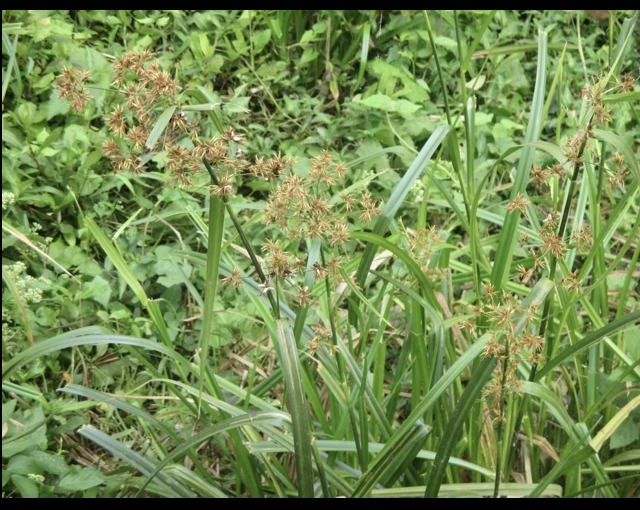
Motha Grass (Cyperus rotundus) Dominance: A PQNK Knowledge Paper
Conventional agronomy calls motha grass a 'cancer weed' to be eradicated with herbicide, but this paper reframes its aggressive spread as a diagnostic signal, an emergency-response species that colonizes exactly the compacted, oxygen-starved, biologically dead soils that herbicide and tillage create in the first place.
Problem · Weed Pressure, Hardpan
Science · Soil, Plants, Biodiversity
Crop-Specific Guides
Under PQNK ReviewKnowledge Paper: Mitigating Post-Harvest Losses in Rice Through Controlled Environment Agriculture PQNK – A Case Study in Grain Structural Integrity
Broken rice kernels sell for 30-50% less than whole grain, and this paper traces that breakage back to micro-cracks formed during the growing season itself, not the milling process, arguing that a PQNK-style controlled, consistent growing environment produces a structurally uniform grain that survives milling intact.
Crop · Rice
Problem · Grain Quality Defects (Chalkiness, Breakage, Shriveling), Post-Harvest Loss / Spoilage
Science · Plants, Food Quality, Production Architecture
Soil Science & PQNK System
Monitoring Soil Life in the PQNK System: A Farmer's Guide
This farmer's guide sets out five simple, tool-free field tests for judging whether PQNK soil biology is actually taking hold: an earthworm census, a soil smell test, a water infiltration test, a mulch decomposition check, and a root architecture inspection. Each comes with concrete benchmarks separating degraded, good, and thriving soil, turning soil health from a guess into a measurement.
Problem · Farmer Uncertainty / Diagnostic Skill Gap, Soil Biology / Microbiome Decline
Science · Soil
Soil Science & PQNK System
Under PQNK ReviewManaging the Biological Transition: Protecting Crop Performance During the First Years of PQNK Conversion
The engineering side of PQNK conversion, hardpan breaking, bed formation, cover cropping, can be finished in weeks, but the soil biology that actually runs the system takes longer to rebuild. This paper explains why the first few crops need closer monitoring, and lays out the minimal, symptom-triggered temporary support (never a return to routine chemical use) that carries a farmer through that gap without abandoning PQNK.
Problem · Yield Stagnation / Decline, Nutrient Deficiency Symptoms (Plant-Visible)
Science · Soil, Crop Protection, Nutrition
Soil Science & PQNK System
The Breathing Soil: A PQNK Dialogue on Humidity and Soil Structure
Responding to a Rajasthani PQNK farmer's questions, this dialogue explains why relative humidity around the crop canopy is a direct readout of raised-bed hydraulic function, and pins down the exact aggregate-size range, 1-10mm with roughly a fifth to a third in the 2-5mm band, that PQNK beds are engineered to build and hold.
Problem · Excess Vegetative Growth (at expense of yield/flowering), Poor Soil Structure / Aggregation
Science · Soil, Water, Climate
Soil Science & PQNK System
Unlocking the Secrets of the Soil: Understanding Deep Topsoil and Nature's Partnership
Answering a farmer's questions about topsoil and the plant-air-soil nutrient split, this paper explains how PQNK builds 'deep topsoil' many inches below the surface through a plant-microbe carbon pump, and unpacks why nature evolved a system where over 95% of a plant's mass comes from air and water while a mere 0.083% mineral fraction from soil governs everything.
Problem · Sandy / Low-Fertility Soil Texture, Drought / Water Scarcity
Science · Soil, Plants
Soil Science & PQNK System
The Mechanism of Nutrient Absorption in PQNK Farming
This knowledge paper reframes the textbook mechanics of passive and active nutrient absorption as expressions of a plant's vitality within a living soil ecosystem, arguing that PQNK doesn't force uptake but removes the stressors that block it, primarily through mycorrhizal partnership and the rhizophagy cycle.
Problem · Nutrient Deficiency Symptoms (Plant-Visible), High Input / Production Cost
Science · Soil, Plants, Nutrition
Soil Science & PQNK System
Why Is Oxygen Less in Soil Air? Why Is CO2 High?
Answering a farmer's direct question about soil gas chemistry, this short paper explains why soil air naturally runs lower in oxygen and higher in CO2 than the atmosphere, and details the three self-reinforcing mechanisms, root retention, surface mulch, and biologically built porosity, that let PQNK sustain a high oxygen diffusion rate without any external management.
Problem · Low Root-Zone Oxygen / Poor Aeration, Poor Soil Structure / Aggregation
Science · Soil
Soil Science & PQNK System
The Autonomous Biome: Principles of Self-Assembling Fungal Networks in a Closed-Loop System
This foundational document argues that 'managing' fungal-to-bacterial ratios or inoculating soil with chosen species is a category error, and lays out the four PQNK steps that create the physical habitat fungal networks assemble themselves into, without any human direction of which species goes where.
Problem · Weak Below-Ground Symbiosis (Mycorrhizae/Nitrogen-Fixers), Locked / Unavailable Soil Minerals
Science · Soil, Biodiversity
Soil Science & PQNK System
The Healer's Dialogue: From Weed Signal to Soil Silence — A PQNK Pathway to Self-Regulating Abundance
Responding to a farmer's question about using weeds as nutrient-deficiency indicators, this dialogue explains that in PQNK the goal isn't to manage weeds as permanent indicator crops, but to run a four-step protocol that resolves the soil problems they signal so the weeds voluntarily depart.
Problem · Weed Pressure, Hardpan
Science · Soil, Biodiversity
Soil Science & PQNK System
Under PQNK ReviewDeep Subsoil Remediation & Activation: Strategic Pathways for Compacted Soils
This paper lays out PQNK's two-track response to hardpan: a preferred one-time mechanical subsoiling where machinery is available, and a patient, plant-and-fungi-driven biological pathway for farms where it isn't, with mycorrhizal fungi cast as the ecosystem's 'stone breaker.'
Problem · Hardpan, Soil Compaction (General)
Science · Soil
Soil Science & PQNK System
The Self-Liberating Mineral Cycle: Rejecting the Input Paradigm in the Restored Biome
This foundational document takes direct aim at the practice of applying rock dust, basalt, or other mineral amendments, even under the banner of 'accelerated weathering,' arguing that any felt need for such inputs is a diagnostic signal that a farm's PQNK conversion is incomplete, not a legitimate prescription.
Problem · Nutrient Deficiency Symptoms (Plant-Visible), External Input Dependency
Science · Soil
Soil Science & PQNK System
Managing Soil Electrical Conductivity & Redox Potential in a Pristine, No-Chemical System for Optimal Nutrient Uptake
This paper reframes two conventionally input-driving soil metrics, electrical conductivity and redox potential, as emergent properties of root-microbe communication rather than parameters to correct with salts or drainage, and lays out what a PQNK farmer should, and should not, do in response to them.
Problem · Saline / Alkaline / High-pH Soil, Waterlogging
Science · Soil
Soil Science & PQNK System
Under PQNK ReviewThe Qudratti Nizam as a Holistic Organism: The Principle of Closed-Loop Perception
This foundational document asks farmers to stop seeing their fields as a collection of managed parts and instead see a self-executing, closed-loop organism, then works through what that lens means diagnostically when poor germination, insect presence, or start-up nutrient deficiency shows up in a converted PQNK field.
Problem · Poor Germination / Emergence, General Pest Pressure
Science · Soil, Plants, Crop Protection
Soil Science & PQNK System
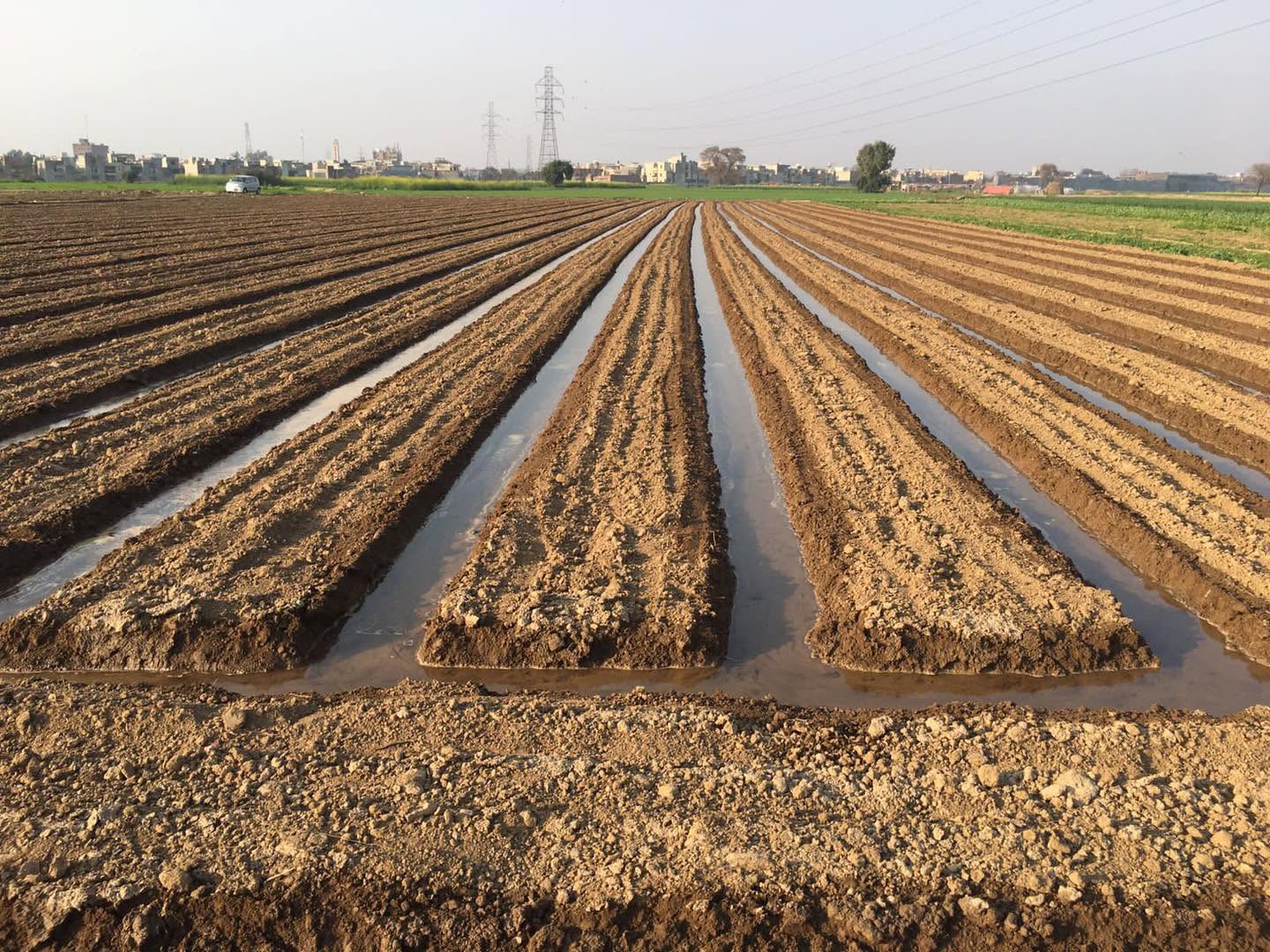
Under PQNK ReviewSoil Water Dynamics, Microclimate Feedback, and Plant Vigor in Raised Bed Systems
Field observation shows plants in the center of PQNK raised beds are consistently more vigorous than those on the shoulders; this paper traces that gradient to a 'nutrient harvesting' concentrating-flow mechanism in furrow-irrigated water, then extends the same soil physics to argue that hardpan-breaking can meaningfully influence local rainfall patterns.
Problem · Weak / Shallow Root Establishment, Regional Rainfall / Microclimate Variability
Science · Soil, Water, Climate
Soil Science & PQNK System
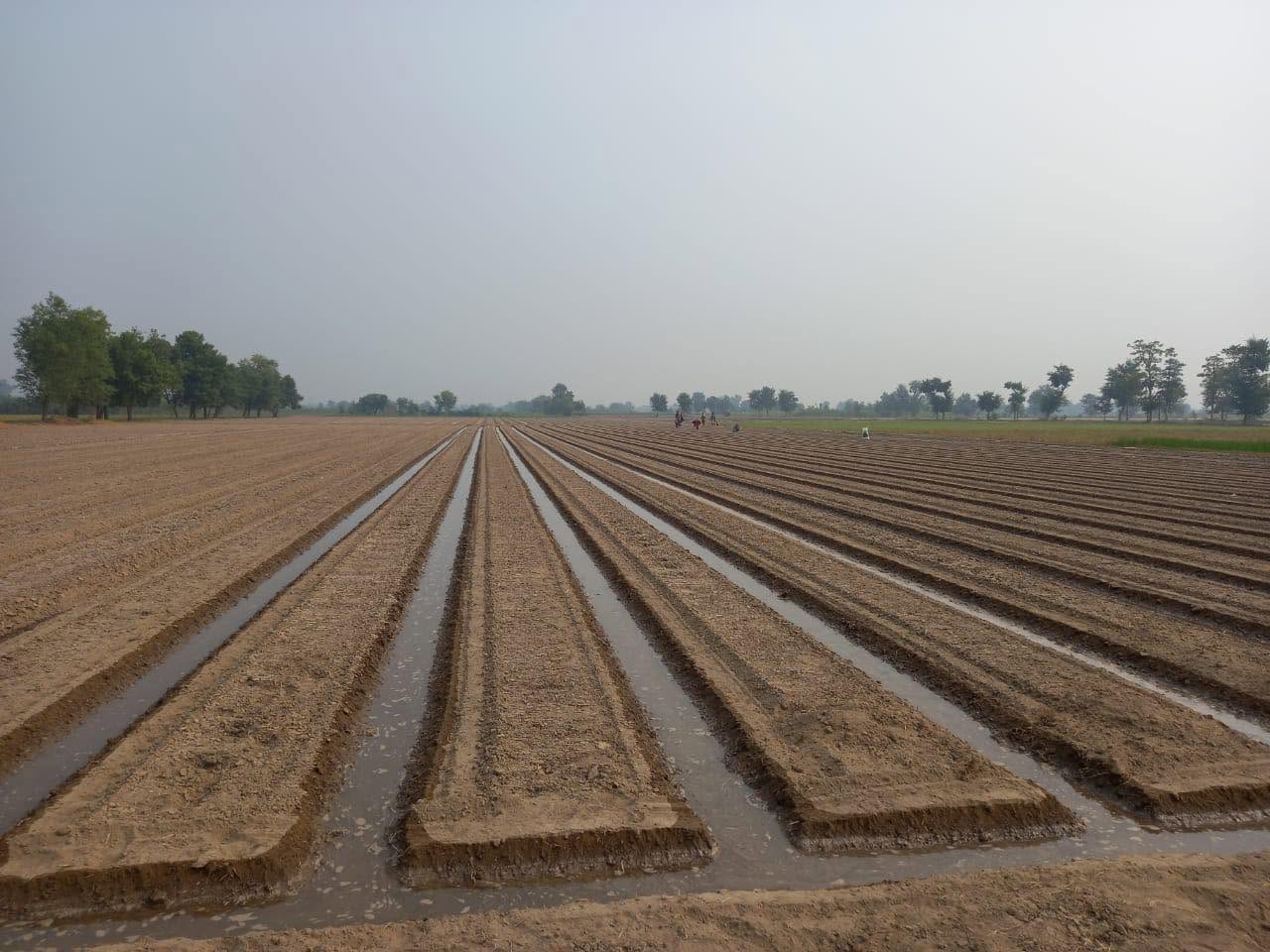
The PQNK Raised Bed System: Engineering Optimal Root Zone Environments for Vigorous Plant Production
This paper details the precise trapezoidal geometry, 42-inch top width and 8-inch height, and dual-zone irrigation strategy behind PQNK raised beds, showing how the system intentionally separates a lateral 'hydraulic' water reservoir from a central 'nutrient-aeration' zone so plants can draw independently on each as needed.
Problem · Waterlogging, Weak / Shallow Root Establishment
Science · Soil, Water, Production Architecture
Soil Science & PQNK System
The Management of Soil Density within the Closed-Loop Regenerative System
This knowledge paper gives PQNK's soil-density protocol precise numbers: a target bulk density of 1.0-1.3 g/cm³ for loamy field soil, with compaction onset flagged above 1.4 and severe compaction above 1.6, then walks through the same four-step transition sequence used to hit and hold that range without any external soil amendment.
Crop · Carrot, Tomato
Problem · Soil Compaction (General), Weak / Shallow Root Establishment
Science · Soil
Soil Science & PQNK System
Beyond Sand, Silt, and Clay: The PQNK Guide to Creating Productive Soil
Answering a farmer's question about whether soil texture or structure matters more for production, this guide draws a sharp line between the two, texture is your soil's fixed 'DNA,' structure is a living condition biology builds, and shows in practical terms how PQNK transforms both sandy and hard clay soils into functional loam without changing the underlying texture at all.
Problem · Sandy / Low-Fertility Soil Texture, Hardpan
Science · Soil
Soil Science & PQNK System
Role of Soil Colloids in Determining the Physical and Chemical Properties of Soil
Responding to a detailed farmer question about clay mineralogy, this paper explains why PQNK treats soil colloids, clay minerals and humus alike, as the soil's 'operating system,' and works through a PQNK-specific management approach for each major clay type from montmorillonite to vermiculite.
Problem · Sandy / Low-Fertility Soil Texture, Locked / Unavailable Soil Minerals
Science · Soil
Soil Science & PQNK System
The Underground Air: Why Soil's Water:Air Balance Governs Nitrogen Fixation, and Every Other Root Function, in the PQNK System
Sparked by a farmer's hunch that nitrogen-fixing microbes must be breathing 'underground air' rather than atmospheric oxygen, this heavily-referenced paper validates that intuition against the biochemistry of nitrogenase, then, at a Cornell researcher's prompting, extends the same governing principle to phosphorus and potassium solubilization, soil bioporosity, pH stability, and root water uptake in non-leguminous crops.
Crop · Rice, Ragi (Finger Millet)
Problem · Weak Below-Ground Symbiosis (Mycorrhizae/Nitrogen-Fixers), Weak / Shallow Root Establishment
Science · Soil, Plants, Water
Soil Science & PQNK System
Breaking Hardpan Without Machinery
Written for small farmers without access to subsoiling equipment, this SOP treats hardpan as a symptom of interrupted biological function rather than a purely physical barrier, and lays out a six-step, machinery-free protocol, plus specific transitional expectations for wheat, pulses, and cotton, for repairing it entirely through roots, mulch, and time.
Crop · Wheat, Pulses (crop group), Cotton
Problem · Hardpan, Soil Compaction (General)
Science · Soil, Transition
Soil Science & PQNK System
The Weeds as Soil Physicians: A PQNK Diagnostic Guide to Soil Health in the Punjab Region
This regional diagnostic guide teaches Punjab farmers to read specific weed combinations, not single species, as a whole-field soil diagnosis, then prescribes a 'principle of substitution': replacing each wild pioneer weed with a cultivated crop that performs the identical remediation function while also producing a yield.
Crop · Mustard, Alsi (Flaxseed), Safflower
Problem · Soil Compaction (General), Soil Erosion
Science · Soil, Biodiversity
Water & Climate
Under PQNK ReviewPQNK: The Wholesale Four-Step System to Reconnect the Water Cycle and End Water Scarcity
Iran's collapsing rivers, sinking cities, and vanishing aquifers are presented as a preview of what awaits any nation that keeps farming on hardpan-sealed, bare soil. This paper argues the crisis is not a rainfall shortage but a blocked water cycle, and lays out PQNK's four-step protocol for reopening it.
Problem · Poor Water Infiltration, Hardpan
Science · Water, Soil, Climate
Water & Climate
Under PQNK ReviewPQNK: Restoring Earth's Hydrological Cycle to Mitigate Erratic Weather & Food Sovereignty
This paper argues that mainstream climate discourse, centered on atmospheric CO2, obscures a more immediate driver of weather instability: land degraded by industrial farming that can no longer regulate atmospheric water vapor. It proposes hydrological restoration through PQNK, paired with a deliberate reframing of climate vocabulary, as the more direct path to a stable atmosphere and food-secure land.
Problem · Soil Compaction (General), Runoff
Science · Climate, Water, Soil
Water & Climate
Creating On-Farm "Micro-Water Cycles": Landscape Design to Maximize Rain, Dew, and Humidity Capture at the Microclimate Level
This foundational document argues that irrigation dependency is a design failure, not a water-supply problem, and backs the claim with per-crop data: PQNK sugarcane and rice show an 88-93% reduction in externally supplied irrigation water compared to conventional production. It lays out the landscape design, contour work, and mulch management that let a farm meet its own water needs from rainfall, dew, and humidity alone.
Crop · Sugarcane, Rice, Citrus (Kinnow)
Problem · High Irrigation Cost / Dependency, Groundwater / Aquifer Depletion
Science · Water, Soil, Climate
Water & Climate
Under PQNK ReviewSmog, Haze, and the Unshakable Resilience of the PQNK Farm
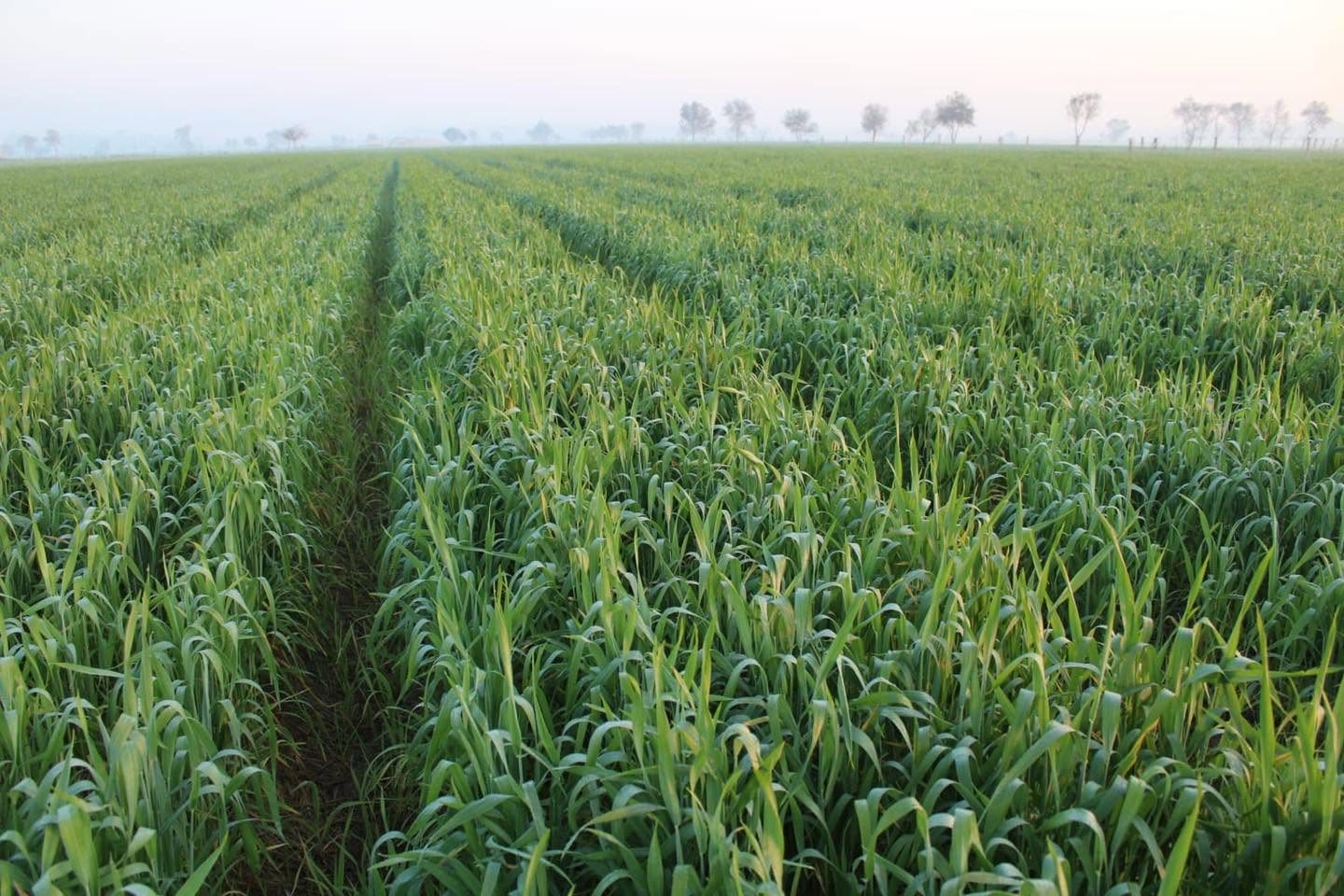
Answering a Punjab farmer worried that weeks of smog and fog will starve his citrus, wheat, and rapeseed of light, this paper reframes low winter sunlight as a normal, non-threatening part of the plant's yearly rhythm rather than a crisis requiring intervention. It argues the correct response to smog is not a new input but strict adherence to the mulch-covered, closed-loop PQNK system already in place.
Crop · Citrus (Kinnow), Guava, Wheat
Problem · Low Light / Smog, Farmer Uncertainty / Diagnostic Skill Gap
Science · Climate, Plants, Crop Protection
Water & Climate
Managing Saline Irrigation Water and Soil Reclamation Through PQNK
Faced with 6,000 ppm groundwater and pH 8 alkaline soil, a common combination across arid regions, this advisory paper walks through when acid-and-water leaching helps versus when it simply adds more salt to the soil. It sets out a decision framework by water TDS and soil pH, then a step-by-step biological reclamation protocol built around the salt-tolerant cover crop Jantar.
Crop · Jantar (Sesbania), Rice
Problem · Saline / High-TDS Irrigation Water, Saline / Alkaline / High-pH Soil
Science · Water, Soil
Water & Climate
The Silenced Clock: How Broken Water Cycles Disrupt Temperature-Cued Plant Development, and the PQNK Restoration Pathway
When Punjab and Mardan citrus orchards broke dormancy in an early-spring 2026 warm spell only to be hit by an abrupt cold snap, trees turned autumn-yellow and dropped every flower with zero fruit set. This paper traces the failure to a destabilized water cycle scrambling the temperature signals plants depend on, and argues PQNK's hardpan-breaking and mulch practices restore the stable thermal rhythm that a functioning biological clock requires.
Crop · Citrus (Kinnow), Guava
Problem · Poor Flowering / Fruit Set, Erratic / Unpredictable Weather Patterns
Science · Climate, Plants, Water
Water & Climate
Heatwaves, Pollination Failure, and the PQNK Soil–Plant–Atmosphere Buffer
March heat spikes above 38°C during citrus flowering have caused widespread pollen sterility, flower drop, and yield collapse severe enough to push farmers toward pruning or removing whole orchards. This paper uses infrared soil-temperature data to show bare soil hitting 60-66°C versus 31°C under mulch, and argues pollination failure is a soil-management outcome, not an unavoidable climate fate.
Crop · Citrus (Kinnow)
Problem · Poor Flowering / Fruit Set, Heat Stress on Crop
Science · Climate, Plants, Soil
Water & Climate
Under PQNK ReviewThe Hydrological Transformation of Agricultural Landscapes Through the Paedar Qudratti Nizam Kashatqari (PQNK) System
PQNK-prepared fields are documented absorbing rainfall events of 600mm in a day without runoff, a figure the paper says farmers initially found impossible to believe. It explains the soil physics behind that claim, from macroporosity gains to deep-rooted 'biological drills,' and positions PQNK farms as recharge basins rather than flood risks.
Crop · Jantar (Sesbania), Moringa
Problem · Flooding, Waterlogging
Science · Water, Soil, Climate
Water & Climate
Evaluation of Tube-well Water Quality for Irrigation Under PQNK
A government laboratory classified both a 500-foot and a 580-foot tube-well sample as unsuitable for irrigation, even though deepening the bore cut salinity by a third and sodium hazard by half. This technical assessment argues that under PQNK's raised-bed, mulch-covered management, the 580-foot water becomes usable, because the soil the water enters, not just the water's chemistry, determines the outcome.
Problem · Saline / High-TDS Irrigation Water, Saline / Alkaline / High-pH Soil
Science · Water, Soil
Water & Climate
Can High-TDS Water Be Used to Rehabilitate Saline Soils?
Conventional guidelines flag groundwater above 1,000-1,500 ppm TDS as unsuitable for irrigation, pushing farmers to abandon productive land. This paper argues the real determinant isn't the water's salt concentration but the soil's physical and biological capacity to keep those salts moving instead of accumulating in the root zone, backed by a crop-by-crop salt-load data table.
Crop · Wheat, Cotton, Maize (Corn)
Problem · Saline / High-TDS Irrigation Water, Saline / Alkaline / High-pH Soil
Science · Water, Soil
Plant Physiology & Production Systems
Channeling Plant Energy: A PQNK Guide to Managing Vegetative Growth for Regenerative Production
With no grazing animals left to signal plants that their surplus foliage is being used, PQNK farmers must manually replicate that missing pressure. This guide sets out four directives, stamping, grazing, pruning and pinching, and bruising, with a crop-by-crop protocol for redirecting a plant's vegetative surplus into reproductive yield.
Crop · Potato, Sweet Potato, Garlic
Problem · Excess Vegetative Growth (at expense of yield/flowering), Lodging / Weak Stem Structure
Science · Plants, Production Architecture
Plant Physiology & Production Systems
The Sacred Symbiosis: Why PQNK Feeds Plants, While Chemical Agriculture Only Force-Feeds Them
Answering a practitioner's question about active versus passive nutrient absorption, this paper contrasts PQNK's living root-microbe dialogue with the 'intravenous drip' of soluble chemical fertilizer, and asks how the Amazon has sustained itself for 40 crore years while chemical farming has exhausted soils worldwide in barely 200.
Problem · General Soil Fertility / Land Degradation, Weak / Shallow Root Establishment
Science · Soil, Plants, Nutrition
Plant Physiology & Production Systems
The Living Plant: A Primer on Physiology & Processes
This primer reframes the plant not as something to be fed but as a sovereign organism that builds its own body from sunlight, air, and water, then hires and pays soil microbes to mine the minerals it cannot make itself. It walks through photosynthesis, rhizosphere partnership, the plant's internal circulatory system, and its immune response as four interlocking processes the PQNK farmer exists to protect.
Problem · General Pest Pressure, Waterlogging
Science · Plants, Soil, Crop Protection
Plant Physiology & Production Systems
Above-Soil Ecosystems in PQNK: Plant-Directed Insect Dynamics, Pollination, and Natural Regulation
Extending PQNK's below-soil 'plants as employers' framework above ground, this paper argues plants deliberately recruit and regulate pollinators, predators, and even sap-sucking insects like aphids, using them as tools to shift energy from vegetative growth into reproduction. It reframes pre-flowering aphid activity as an invited pruning mechanism rather than an infestation.
Problem · Sucking Insect Pressure (Aphid/Whitefly/Jassid), Beneficial Insect / Predator Decline
Science · Biodiversity, Crop Protection, Plants
Plant Physiology & Production Systems
The Paradox of Resistance: Why Pests Adapt While Humans Degrade – A PQNK Scientific Perspective
A farmer asked why pests evolve immunity to pesticides while human diseases from the same chemicals keep rising. This paper explains both outcomes through the same mechanism operating at different biological scales, rapid population-level genetic selection in short-lived pests versus slow, cumulative, individual-level degeneration in humans, and argues PQNK escapes the trap entirely by removing the toxic pressure driving both.
Problem · Pesticide Resistance, Contamination / Residue / Food Safety Risk
Science · Crop Protection, Food Quality, Nutrition
Plant Physiology & Production Systems
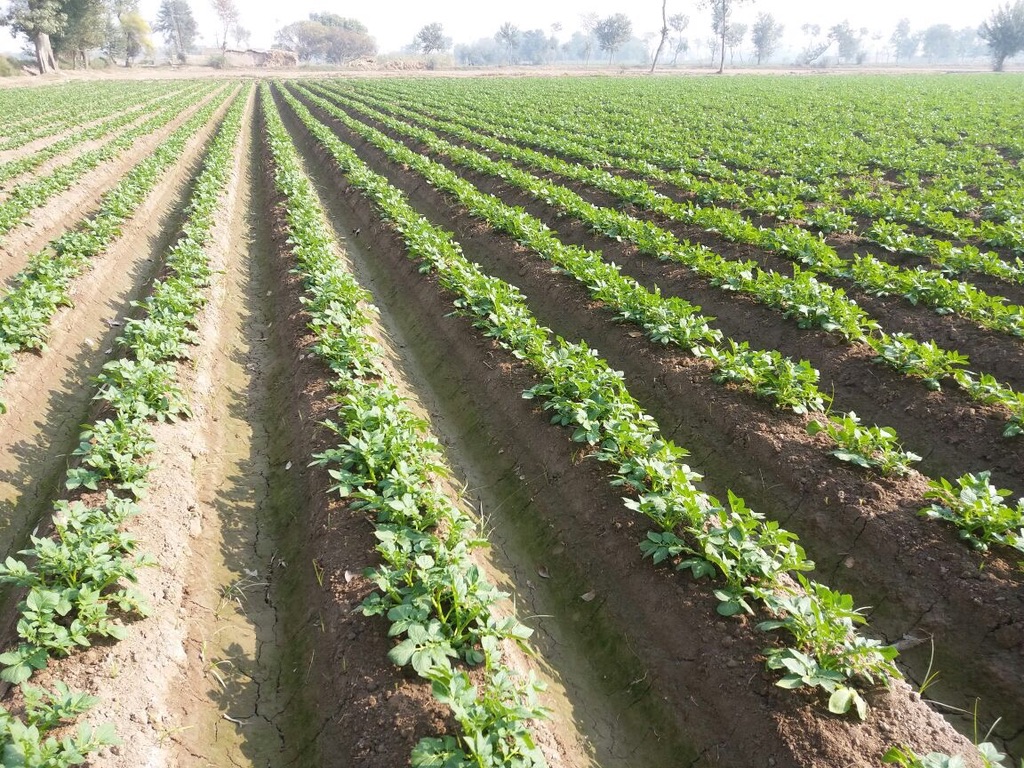
PQNK Advisory: Understanding Nematode Damage in ACI Systems and the Path to Recovery with PQNK
A citrus grower on hot, sandy, drip-irrigated dunes was seeing classic nematode damage and assumed it meant waterlogged, anaerobic soil, the opposite of his actual conditions. This advisory explains how heat- and drought-stressed root tips create the same localized decay zone nematodes exploit, and prescribes live mulch as the direct, three-part fix.
Crop · Citrus (Kinnow)
Problem · Named Pest Infestation (Bollworm, Fruit Fly, Nematode, etc.), Over-Irrigation
Science · Soil, Plants, Crop Protection
Plant Physiology & Production Systems
Under PQNK ReviewThe PQNK System: Cultivating Plant Intelligence Through Engineered Soil Gradients
Rather than fighting soil heterogeneity with uniform irrigation and fertilizer, this technical paper argues PQNK's trapezoidal raised beds deliberately engineer three concentration zones, dilute, gradient, and accumulation, that trigger specific, well-documented root and transporter adaptations. It's the most mechanistic of the PQNK papers, citing root-hair proliferation timelines, transporter upregulation factors, and mycorrhizal recruitment data.
Problem · Over-Irrigation, Saline / Alkaline / High-pH Soil
Science · Soil, Plants, Water
Plant Physiology & Production Systems
External EvidenceKnowledge Paper: The Plant as CEO — A PQNK Perspective on Biological Agency in Rhizobial Partnerships
Reading a 2018 transcriptomic study that found rhizobia activate over 2,400 rice genes, this paper argues the standard framing has the causality backwards: the plant is not colonized, it is informed, and it makes the decision. It develops a full 'plant as CEO' recruitment-interview analogy for how legumes and rice actively select, test, and hire their bacterial partners.
Crop · Rice
Problem · Tillage Damage to Soil Biology / Structure, Weak Below-Ground Symbiosis (Mycorrhizae/Nitrogen-Fixers)
Science · Soil, Plants, Biodiversity
Plant Physiology & Production Systems
Under PQNK ReviewWhat This Uprooted Wheat Plant Is Telling Us — Through the PQNK ("picnic") Lens
A single stray wheat plant, pulled from the ground and photographed, becomes a full diagnostic reading of soil health in this short field note. Root structure, tillering, leaf color, and soil cling are each read as evidence the plant is in energy surplus rather than survival mode.
Crop · Wheat
Problem · Farmer Uncertainty / Diagnostic Skill Gap, Over-Irrigation
Science · Soil, Plants
Soil Science & PQNK System
Contour Line Farming through the PQNK (PICNIC) Lens
Large tracts of sloping, rainfed farmland already receive twice the water crops need, yet fail from runoff and erosion rather than drought. This paper applies PQNK's hardpan-breaking and mulch principles specifically to undulating terrain, using contour-aligned furrows as micro check-dams and citing practitioners who have farmed 7-8 consecutive years on rainfall alone.
Crop · Wheat, Barley, Oilseeds (crop group)
Problem · Runoff, Soil Erosion
Science · Soil, Water, Production Architecture
Crop-Specific Guides
Scientific Note: Agroforestry Species Selection under the PQNK Model
Asked why environmentalists condemn Eucalyptus as a water-guzzling, soil-degrading species while farmers keep planting it anyway, this note argues both camps are observing an effect of dead soil, not a property of the tree. It contends that under PQNK's restored soil biology, Eucalyptus behaves like any other well-nourished plant.
Crop · Eucalyptus
Problem · High Crop Water Demand, General Soil Fertility / Land Degradation
Science · Soil, Plants, Biodiversity
Plant Physiology & Production Systems
Optimizing Tractor Setup for Precision Planting and Bed-Furrow Health
A farmer choosing between two tractors and two tyre widths for a precision planter on 42-inch permanent beds gets a precise engineering answer here: 45-55 HP, with approximately 9 inches the ideal tyre width for this furrow geometry (9-13 inches the practical range, not exceeding 13 inches), and compaction strictly limited to the lower third of the furrow slope. The paper treats correct tractor setup as inseparable from PQNK soil-health outcomes, not a separate mechanical concern.
Problem · Soil Compaction (General), Poor Water Infiltration
Science · Production Architecture, Soil
Nutrition & Food Quality
The Inherent Shelf-Life Advantage of PQNK Produce: A Scientific Analysis from Root Zone to Market
Farmers kept reporting that PQNK produce simply lasts longer in storage, and this paper traces that observation to a specific, measurable cause: mulch holding root-zone temperature in a stable 13-26°C band. It follows that stability through fruit cell-wall development, ripening physiology, harvest timing, and field-heat removal to explain why the shelf-life advantage shows up well before any cold storage is involved.
Crop · Mango, Banana, Apple
Problem · Post-Harvest Loss / Spoilage, Short Shelf Life
Science · Soil, Plants, Food Quality
Plant Physiology & Production Systems
PQNK Knowledge Paper: The Twofold Art of Pruning as Compensatory Grazing
With grazing animals absent, plants read the lack of browsing pressure as a sign their foliage isn't wanted and pour energy into ever more vegetative growth instead of fruit. This paper sets out a two-phase pruning protocol, formative and reproductive, standing in for that missing herd, with a detailed crop-by-crop benchmark table and a full sugarcane case study covering two distinct harvest strategies.
Crop · Wheat, Rice, Maize (Corn)
Problem · Excess Vegetative Growth (at expense of yield/flowering), Poor Tillering
Science · Plants, Production Architecture
Plant Physiology & Production Systems
The PQNK Foundation: The Philosophy of the "Central Leader"
A farmer's questions about wheat tillering become the occasion for laying out a core PQNK principle: the plant as a 'Central Leader' system, like a tree, whose apical dominance must be surgically broken to redirect energy into uniform, productive tillers. The paper works through eleven practical questions, from exact pruning height to a full per-acre yield calculation, showing the principle in action.
Crop · Wheat, Maize (Corn)
Problem · Poor Tillering, Heat Stress on Crop
Science · Plants, Production Architecture
PQNK Philosophy, Framework & Economics
Knowledge Paper: The PQNK Imperative — Re-Mothering Our Agriculture through the Pristine Organic System
This paper reframes a century of input-intensive farming as a severed relationship between plant and soil, using the metaphor of 'Soil as Mother' to argue that the Green Revolution orphaned crops by feeding them directly rather than nurturing the system that was designed to feed them. It closes with a policy agenda for 're-mothering' agriculture through machinery subsidies, farmer training, and GMO safeguards.
Problem · External Input Dependency, Soil Biology / Microbiome Decline
Science · Soil, Plants, Economics
PQNK Philosophy, Framework & Economics
Under PQNK ReviewRethinking Agricultural Systems – The PQNK Framework (A1)
This framework document defines PQNK not as an addition of techniques to conventional farming but as a first-principles diagnostic standard, built on four non-negotiable axioms, for distinguishing genuine ecosystem agriculture from repackaged extraction dressed up as 'regenerative' or 'sustainable.'
Problem · Hardpan, Flooding
Science · Soil, Water, Crop Protection
PQNK Philosophy, Framework & Economics
Under PQNK ReviewKnowledge Paper: Liberating Pakistan's Economy — The Unforgivable Neglect of the PQNK Revolution
An economic manifesto arguing that four decades of IMF- and World Bank-prescribed austerity have failed Pakistan because they address fiscal symptoms while ignoring the one lever that actually creates new value: farm productivity. It positions PQNK as the productivity shock capable of turning Pakistan's underused agricultural workforce into its greatest economic asset.
Problem · High Input / Production Cost, Farmer Income Instability / Debt
Science · Economics, Water, Production Architecture
PQNK Philosophy, Framework & Economics
The Foundational Primacy of Agriculture Over Industry: A Knowledge Paper Through the PQNK Lens
This paper argues that agriculture, in its pristine PQNK form, is the non-negotiable, self-sufficient foundation of human civilization, while industry is a conditional, derivative superstructure that should serve the harvest rather than the other way around. It closes with a proposal for a national PQNK services entity that would deliver machinery, training, and market access without interfering with farming itself.
Problem · External Input Dependency, Farmer Uncertainty / Diagnostic Skill Gap
Science · Plants, Economics, Production Architecture
PQNK Philosophy, Framework & Economics
Under PQNK ReviewThe Global Cost of Agricultural Degradation & the PQNK Restoration Dividend
A systems-level policy brief, addressed to bodies including the FAO, World Bank, and IMF, that quantifies degenerative agriculture's hidden annual cost at $1.9 trillion and argues PQNK is the only complete-systems alternative capable of converting that loss into an estimated $4.7 trillion annual global 'Restoration Dividend.'
Problem · General Soil Fertility / Land Degradation, Groundwater / Aquifer Depletion
Science · Soil, Water, Nutrition
PQNK Philosophy, Framework & Economics
Knowledge Paper: The Perpetual Abundance Principle
Using subcontinental wheat-yield data, this paper shows that even a modest 2-tonne-per-acre crop removes only a tiny fraction of the phosphorus, potassium, and nitrogen already banked in the topsoil, roughly 1 part in 182 for phosphorus alone, and argues that nutrient deficiency is therefore a biological access problem, not a resource shortage.
Crop · Wheat
Problem · Nutrient Deficiency Symptoms (Plant-Visible), External Input Dependency
Science · Soil, Plants
PQNK Philosophy, Framework & Economics
Under PQNK ReviewPQNK Knowledge Paper: The Universal Application of the PQNK Model — From Soil to Supper
Responding to a Nigerian farmer's question about whether PQNK applies outside crop farming, this paper argues that because every link in the food chain, honey, eggs, milk, meat, or fish, ultimately traces back to plant nutrition, restoring plant health under PQNK automatically improves outcomes across poultry, aquaculture, dairy, and apiculture.
Crop · Pasture Grass (crop group), Azolla, Duckweed
Problem · High Input / Production Cost, Animal Health / Welfare / Product Quality
Science · Nutrition, Food Quality, Biodiversity
PQNK Philosophy, Framework & Economics
Supplemental Knowledge Paper: Quantifying the Abundance
A data supplement to 'The Perpetual Abundance Principle' that extends its phosphorus, potassium, and nitrogen soil-bank-versus-crop-uptake ratios across six major subcontinental crops, wheat, rice, corn, potato, cotton, and sugarcane, showing the 'undeniable disparity' holds even for the heaviest feeders.
Crop · Wheat, Rice, Maize (Corn)
Problem · Preventive/Prophylactic Over-Application of Inputs (Fertilizer/Nitrogen)
Science · Soil, Plants
PQNK Philosophy, Framework & Economics
Under PQNK ReviewRestoring Earth's Operating System: The PQNK Framework for Regenerative Agriculture
A comprehensive policy and investment brief that models global agriculture's degenerative trajectory against a PQNK-led alternative, laying out true-cost economics, a five-year implementation roadmap with quarterly KPIs, and specific financial instruments, from transition bonds to farmer cooperative financing, meant to move PQNK from pilot to planetary scale.
Crop · Wheat
Problem · Soil Erosion, Groundwater / Aquifer Depletion
Science · Soil, Water, Nutrition
PQNK Philosophy, Framework & Economics
Knowledge Paper: PQNK — The Natural Ecosystem Science for Production Agriculture (Reviving the Self-Regulating Agroecosystem through Regenerative Principles)
This paper reframes pests and diseases as 'scavengers of the weak' rather than enemies, and sets out a four-tier plant protection system, repellent biochemistry, antixenosis, induced systemic resistance, and predator recruitment, that it argues emerges automatically once the same four-step PQNK soil process used across the knowledge library is correctly executed.
Crop · Cotton
Problem · General Pest Pressure, Pesticide Resistance
Science · Crop Protection, Soil, Biodiversity
PQNK Philosophy, Framework & Economics
Under PQNK ReviewKnowledge Paper: Embracing PQNK — A Regenerative Paradigm for Sustainable Agriculture
This paper places PQNK at the top of a five-level hierarchy of farming methodologies and argues its defining break from every level below it is philosophical: replacing fear-based, preventive input application with observation-based, responsive management, a shift it says most practitioners complete within two crop cycles.
Problem · Preventive/Prophylactic Over-Application of Inputs (Fertilizer/Nitrogen), Farmer Uncertainty / Diagnostic Skill Gap
Science · Soil, Crop Protection, Water
PQNK Philosophy, Framework & Economics
Under PQNK ReviewBeyond Extraction and Illusion: Restoring True Wealth Through Regenerative Systems
This paper argues that modern wealth creation has collapsed into a single hidden category, extraction disguised as innovation, using industrial agriculture as its primary case study, and proposes regeneration as a missing third economic category, with the PQNK farming framework offered as its most complete working prototype.
Problem · Macro / Policy-Level Externalities, Declining Nutrient Density in Food
Science · Economics, Nutrition, Soil
PQNK Philosophy, Framework & Economics
A Regenerative Imperative: A PQNK Critique and Response to the Colonizing Logic in "Beyond Extraction and Illusion"
Responding to a reader's observation that agriculture functions as a form of colonization, this paper extends the metaphor across gender, minority status, and nature itself, arguing all share the same underlying 'conquering logic' of separation, hierarchy, and guilt-free extraction, and positions PQNK as a practical template for dismantling that logic wherever it appears.
Science · Economics
PQNK Philosophy, Framework & Economics
Under PQNK ReviewPQNK Foundational Document, Topic 1: The Organismic Paradigm — Quantum-Reading the Farm as a Unified Biological Field
The first in a foundational PQNK topic series proposes reading a farm not as an assembly of parts but as a coherent biological field, and trains the farmer to diagnose that field's coherence through five specific observable expressions, from leaf light reflection to predator-prey response lag, rather than through conventional soil chemistry alone.
Problem · General Pest Pressure, Poor Water Infiltration
Science · Soil, Plants, Water
PQNK Philosophy, Framework & Economics
Under PQNK ReviewPQNK Foundational Document, Topic 2: The Bio-Energetic Valuation Framework — Replacing Commodity Mass with Metabolic Currency
This paper proposes replacing weight-based food pricing with a two-part scoring system, a P.A.Y. score measuring a food's net usable cellular energy and an FSCS score certifying the health of the field that grew it, arguing this is the first economically honest price mechanism in agricultural history.
Problem · Price Volatility / Market Glut
Science · Nutrition, Food Quality, Economics
PQNK Philosophy, Framework & Economics
Under PQNK ReviewPQNK Foundational Document, Topic 4: The Economics of Resilience — A Detailed Cost-Benefit Analysis over a 2-5 Year Horizon
This paper builds a two-pillar economic model, avoided conventional costs plus valued ecosystem services, to show PQNK generating a $300 to $865-plus per acre annual advantage over conventional farming by year four or five, arguing the transition should be understood as an investment in biological capital rather than an expense.
Problem · High Input / Production Cost, Yield Stagnation / Decline
Science · Economics, Soil, Water
PQNK Philosophy, Framework & Economics
Under PQNK ReviewPQNK Foundational Document, Topic 13: The Autonomous Cycle — Planting and Harvesting in the Perfected System
This paper describes the end-state of a matured PQNK farm as a one-time ecological engineering project rather than an ongoing method, in which the only permitted human interventions become planting and harvesting, and lists the specific evidence, including a claimed zero yield response to added fertilizer, that proves a farm has reached this autonomous state.
Problem · External Input Dependency, Labor Scarcity / Cost
Science · Soil, Water, Plants
Nutrition & Food Quality
Under PQNK ReviewPQNK Foundational Document, Topic 14: The Expression of Genetic Blueprint — How PQNK's Restored Covenant Maximizes Phytochemical Density in Produce
This paper argues that a crop's flavor, aroma, and phytochemical richness are not additives but the automatic output of a fully expressed genetic blueprint, achievable only when an intact 'soil-plant covenant' lets the plant's microbial partners deliver nutrients on demand, and sets out three specific PQNK practices, light architecture, managed growth regulation, and cyclical harvest timing, that support that expression.
Problem · Weak Flavor / Aroma / Quality Sensory Markers, General Pest Pressure
Science · Plants, Nutrition, Food Quality
PQNK Philosophy, Framework & Economics
The PQNK Framework: From Degenerative Systems to Regenerative Process to Sustainable State
A short framework note that corrects what it calls a common misconception, that 'regenerative' and 'sustainable' are interchangeable or parallel labels, by defining them as sequential stages: a defined four-step Corrective Intervention that a degraded farm passes through once, followed by a Regenerative Phase of biological rebuilding and then a permanent Sustained Closed Loop State requiring only seed placement and harvesting.
Problem · Terminology / Framework Confusion, General Soil Fertility / Land Degradation
Science · Soil, Water, Plants
Nutrition & Food Quality
The PQNK Perspective: You Are Asking the Wrong Question about "Micronutrients"
Responding to a question about micronutrient research, this paper argues the entire concept of shopping for individual micronutrients is a category error inherited from industrial thinking, and redirects the farmer toward three concrete practices, root and residue retention, undisturbed permanent beds, and protecting soil life, as the only 'research' needed.
Problem · Nutrient Deficiency Symptoms (Plant-Visible)
Science · Soil, Nutrition, Biodiversity
Nutrition & Food Quality
Under PQNK ReviewPQNK Knowledge Paper: The Role and Perspective of Supplemental Nutrition in the Perpetual Abundance System
This paper explains the real biochemical mechanism behind foliar feeding, stomatal and cuticular absorption pathways, and affirms it as scientifically valid, while insisting within PQNK it is only ever a brief safety net for a farm's first transitional crop, complete with exact spray and irrigation recipes and the specific signal, a fertilized plant showing no response, that tells a farmer supplementation is no longer needed.
Problem · Poor Germination / Emergence, Farmer Uncertainty / Diagnostic Skill Gap
Science · Plants, Nutrition, Transition
Nutrition & Food Quality
Q&A: Comparing the Quality of Food from PQNK and Ancient Conventional Industrial Production Systems
A farmer's observation that PQNK produce simply tastes richer, with a more distinct aroma than chemically grown produce, prompts a stage-by-stage explanation of why: soil treated as a living matrix rather than a chemical warehouse changes not just how much a plant absorbs but how much energy it invests in the secondary metabolites that create flavor, aroma, and 'terroir' character.
Problem · Weak Flavor / Aroma / Quality Sensory Markers
Science · Soil, Plants, Nutrition
Nutrition & Food Quality
Under PQNK ReviewScientific Parameters Behind Shelf Life, Pest Attraction & Deterioration — A Pristine PQNK Perspective
A rapid-fire Q&A that argues certified organic and conventional chemical farming are functionally the same input-dependent system wearing different labels, both producing produce that spoils faster and attracts more pests than PQNK, and works through eight specific farmer questions on the measurable biology behind shelf life, pest attraction, and seed lineage.
Problem · General Pest Pressure, Short Shelf Life
Science · Nutrition, Food Quality, Crop Protection
Workforce & Practice Advisories
Addressing the Critical Gap of Untrained Farm Workforce for Sustainable Agricultural Advancement in Pakistan
This policy note argues Pakistani agriculture is bottlenecked not by strategy but by execution, citing 10-20% grain losses from untrained combine harvester operators and a complete absence of formal training for two critical roles, Farm Production Managers and Machinery Operators, and calls for their formal certification within national agricultural policy.
Crop · Cotton
Problem · Post-Harvest Loss / Spoilage, Untrained Labor / Management
Science · Production Architecture, Economics, Transition
Workforce & Practice Advisories
PQNK Farming in Practice: Site-Specific Solutions for Regenerative Agriculture — Questions & Detailed Answers
A practitioner's detailed field questions, on bed orientation, irrigation choice, land clearing, machine-hour budgets, and mulch selection, are answered directly, with the recurring caveat that most PQNK decisions are inherently site-specific and only become concrete once a farm's topography, water, climate, and objectives have been surveyed.
Crop · Potato, Cassava, Sorghum
Problem · Soil Erosion, Soil Compaction (General)
Science · Production Architecture, Water, Soil
Workforce & Practice Advisories
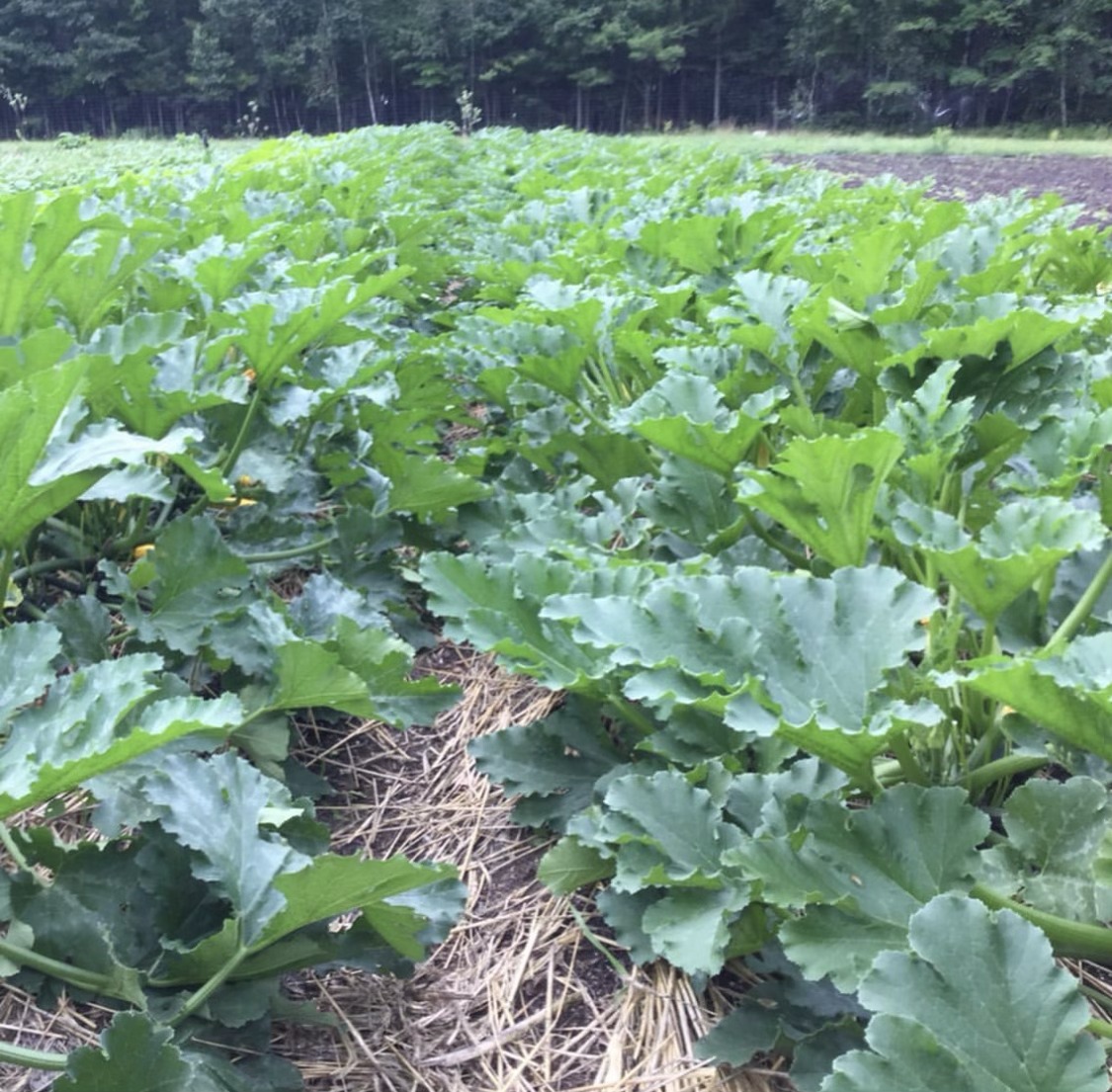
Advisory for One Acre Prosperity (OAP) in Vegetable Production: A PQNK Guide for the Smallholder
A hands-on smallholder guide built around one core discipline, using every square inch of soil for every passing minute of the year, that details a specific 36-block nursery system for raising transplants without seed waste or transplant shock, alongside a homemade 'dribble board' tool for direct seeding through mulch.
Crop · Radish, Spinach, Lettuce
Problem · Poor Germination / Emergence, Post-Harvest Loss / Spoilage
Science · Production Architecture, Economics, Plants
Workforce & Practice Advisories
The PQNK Validation System
PQNK deliberately uses the word 'validation' instead of 'certification' because certification verifies that procedural rules were followed while telling buyers almost nothing about the biological quality of the food itself. This paper lays out PQNK's alternative: measuring nutritional density, mineral complexity, aroma, shelf stability, and other laboratory- and field-testable signatures the ecosystem leaves inside the harvested crop.
Problem · Organic Certification Cost / Trust Gap, Terminology / Framework Confusion
Science · Food Quality, Nutrition, Economics
Soil Science & PQNK System
Under PQNK ReviewKnowledge Paper: The Principle of Permanent Confinement – The Mechanical-Synchrony Foundation of PQNK Bed Geometry
PQNK bed and furrow dimensions are not chosen for tradition or aesthetics, they are derived mathematically from tractor wheel-track spacing and tire width so that machinery is permanently confined to the furrows and never crosses the growing bed. This paper sets out that engineering logic, the five-step establishment sequence that eliminates germination problems, and a recalculation table for adapting bed width to different tractors, soils, and rainfall zones.
Problem · Soil Compaction (General), Poor Germination / Emergence
Science · Soil, Production Architecture
PQNK Philosophy, Framework & Economics
National Food Power and the Reconstruction of Agricultural Civilization
This policy-level paper argues that a nation's strength is inseparable from the biological condition of its farmland, and traces how regenerative transition under PQNK reduces diesel dependence, fertilizer imports, and groundwater depletion simultaneously while rebuilding rural economies and export competitiveness. It reframes 'National Food Power' as ecological sovereignty rather than commodity volume.
Problem · External Input Dependency, Groundwater / Aquifer Depletion
Science · Soil, Water, Climate
Nutrition & Food Quality
Under PQNK ReviewNutrition-Dense Food and the Recovery of Ecological Quality
Industrial agriculture measures food primarily by yield and appearance, leaving taste, aroma, shelf stability, and mineral density as afterthoughts. This paper argues those qualities are not separate from ecology, they are the biological expression of a stable soil system, and walks through the specific mechanisms, deep rooting, fungal continuity, secondary metabolites, that connect soil health directly to what a crop tastes, smells, and how long it keeps.
Problem · Weak Flavor / Aroma / Quality Sensory Markers, Macro / Policy-Level Externalities
Science · Soil, Plants, Nutrition
Workforce & Practice Advisories
External EvidenceThe Farm You Only Have to Build Once: How PQNK Converts a Conventional Field into a Permanent, No-Till System
Most fields across Pakistan and northern India's irrigated plains are still laid out for nineteenth-century bullock-and-plough flood irrigation. This paper walks through the one-time engineering project, topography survey, field redesign, hardpan fracture, laser levelling, and permanent bed shaping, that converts such a field into a permanent PQNK system, citing published water-savings and yield data specific to Pakistani Punjab.
Crop · Rice, Wheat
Problem · Inconsistent / Uneven Crop Uniformity, Hardpan
Science · Production Architecture, Water, Soil
Soil Science & PQNK System
The Role of Jantar (Sesbania) in Biological Reconstruction
Mechanical hardpan-breaking can open a compacted field once, but long-term regeneration cannot run on steel and fuel indefinitely. This paper explains why Jantar (Sesbania) functions as PQNK's living subsoiler and first biological occupant of a newly formed bed, converting a temporary mechanical opening into a permanent, self-reinforcing biological corridor.
Crop · Jantar (Sesbania)
Problem · Hardpan, Bare / Exposed Soil
Science · Soil, Plants
Soil Science & PQNK System
The Weed-Indicator System
Instead of treating weeds as enemies to eliminate, PQNK reads them as diagnostic language the field uses to report its own underground condition. This paper works through three common indicator species, bindweed, nutsedge, and pigweed, explaining exactly which soil imbalance each one signals and why suppressing the weed without correcting that imbalance only produces temporary, repeating outbreaks.
Problem · Soil Compaction (General), Waterlogging
Science · Soil, Biodiversity
Plant Physiology & Production Systems
Pest Ecology and the Collapse of Biological Balance
Industrial agriculture treats pest outbreaks as attacks requiring stronger poison, yet pest pressure often intensifies the more a field is sprayed. This paper explains why, tracing outbreaks to the collapse of predator webs and to vegetative imbalance that makes plants physiologically attractive to sap feeders, and argues PQNK's response is ecosystem stabilization rather than escalating chemical suppression.
Problem · General Pest Pressure, Sucking Insect Pressure (Aphid/Whitefly/Jassid)
Science · Crop Protection, Biodiversity, Soil
Soil Science & PQNK System
Root Retention Science
Industrial agriculture treats roots as exhausted residue once a crop is harvested, then destroys them through tillage. This paper argues roots are long-term ecological infrastructure whose value increases after the plant dies, and explains how retaining them in place builds permanent soil porosity, carbon storage, and hydraulic continuity that compounds season after season.
Problem · Soil Compaction (General), Soil Organic Matter / Carbon Loss
Science · Soil
Plant Physiology & Production Systems
External EvidenceEvery Seed Is a Promise to the Next Generation: Why PQNK Selects Open-Pollinated Genetics Over GMO, Hybrid, and Seedless Seed
PQNK's seed philosophy separates three routinely conflated categories, GMO, F1 hybrid, and induced seedlessness, and argues open-pollinated seed was never agriculture's weak link; degraded, tillage-hollowed soil was. This knowledge paper works from the biology of pollination through the Green Revolution's real achievement to a full crop-by-crop protocol for saving, isolating, and hand-pollinating open genetics on a PQNK farm.
Crop · Wheat, Cotton, Rice
Problem · External Input Dependency, Macro / Policy-Level Externalities
Science · Biodiversity, Food Quality, Transition
Crop-Specific Guides
Under PQNK ReviewWhy Conventional Rice Keeps Failing: At the Mill, At the Table, and At the EU Border
Answering a farmer's direct question about what actually changes inside a rice grain under PQNK, this paper traces the mechanism from root-zone moisture through grain-filling stress to milling yield, aroma, and grain safety, then applies it directly to the specific EU border rejections costing Pakistan's basmati export trade.
Crop · Rice
Problem · Contamination / Residue / Food Safety Risk, Grain Quality Defects (Chalkiness, Breakage, Shriveling)
Science · Soil, Water, Plants
Crop-Specific Guides
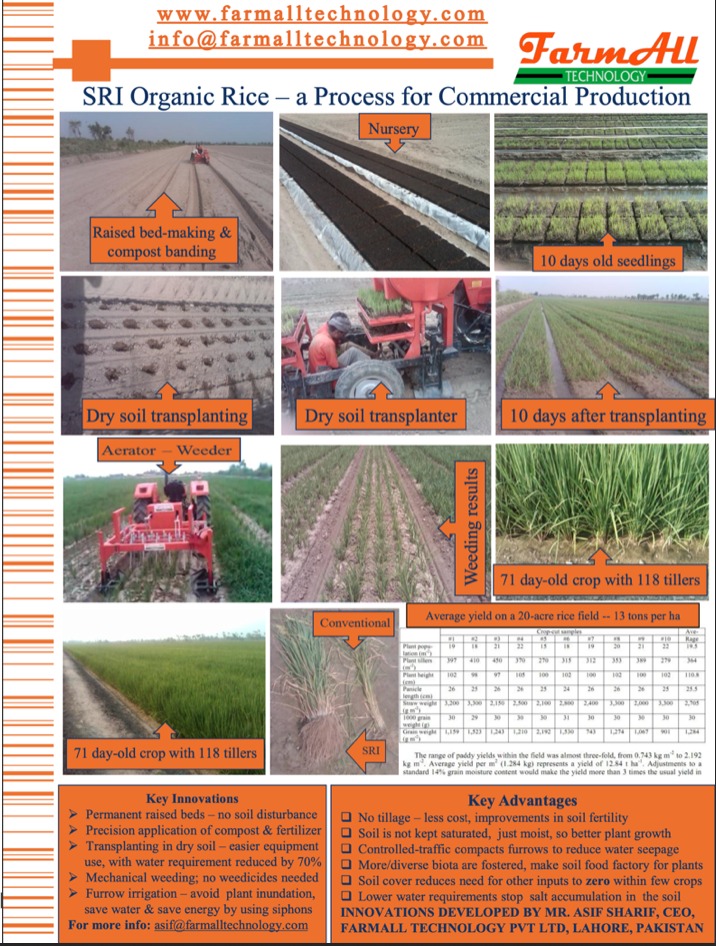
External EvidenceTechnical Adaptations for Mechanized SRI Production to Achieve Water Saving and Increased Profitability in Punjab, Pakistan
The founding 2009-2010 field trial behind PQNK's rice work, peer-reviewed and published in Paddy and Water Environment (Springer, 2011). Asif Sharif's original technical report on mechanizing the System of Rice Intensification (SRI) for large-scale Punjab farms, years before the fuller PQNK protocol described elsewhere on this site was developed.
Crop · Rice
Problem · Labor Scarcity / Cost, Yield Stagnation / Decline
Science · Water, Production Architecture, Economics
PQNK Philosophy, Framework & Economics
The Missing Synthesis: Positioning PQNK Among a Century of Fragmented Regenerative Science
A literature-positioning paper that credits seven independent research traditions, from Fukuoka and Gliessman to the Loess Plateau project and the Bionutrient Food Association, for establishing separate pieces of the ecosystem-agriculture case, then argues PQNK's distinct contribution is assembling those pieces into one operationally complete, field-ready protocol developed independently through direct production practice.
Crop · Rice
Problem · Terminology / Framework Confusion, Untrained Labor / Management
Science · Soil, Water, Biodiversity
PQNK Philosophy, Framework & Economics
External EvidenceWhat Science Delivered: The Documented Balance Sheet of a Century of Input-Funded Agricultural Research
Prompted by an online dismissal of scientific consensus, this paper turns the same skepticism on a century of input-industry-funded agricultural research and totals its documented balance sheet across soil, water, climate, cost, yield, food quality, and smallholder viability, using named published sources throughout and flagging PQNK's own field data separately wherever it appears.
Crop · Maize (Corn), Rice, Wheat
Problem · Soil Organic Matter / Carbon Loss, Price Volatility / Market Glut
Science · Soil, Climate, Nutrition
Water & Climate
Why Leaves Change Color With the Weather: Reading Temperature Signals Without Mistaking Them for Hunger
A field diagnostic for mature PQNK beds explaining that cold and heat alone, through two distinct pigment mechanisms, chlorophyll turnover and anthocyanin production, can change leaf color with no connection to nutrient supply, and giving farmers a four-part field test for telling weather apart from a genuine deficiency.
Crop · Maize (Corn), Tomato
Problem · Leaf Discoloration (Yellowing/Purpling), Nutrient Deficiency Symptoms (Plant-Visible)
Science · Plants, Crop Protection, Nutrition
Crop-Specific Guides
The PQNK Framework for Regenerative Animal Husbandry: Productivity, Profitability, and Planetary Health
Moving past the A1-versus-A2 milk debate, this paper argues that milk and meat quality is determined by the health of the whole production ecosystem rather than a single protein variant, and lays out PQNK's stocking-density and margin case for pasture-based dairy and livestock built on native breeds and diverse forage.
Crop · Napier Grass, Alfalfa
Problem · Animal Health / Welfare / Product Quality, External Input Dependency
Science · Nutrition, Biodiversity, Economics
Soil Science & PQNK System
PQNK Knowledge Paper: The Origin of Plant Mass and the Role of the Soil System
Countering the assumption that plants are built from soil nutrients, this paper traces a plant's physical bulk to photosynthesis, condensed carbon dioxide and water, and reframes soil minerals, typically just 1-10% of a plant's dry matter, as catalysts a restored microbial community makes available rather than bulk the farmer must supply.
Problem · Nutrient Deficiency Symptoms (Plant-Visible), External Input Dependency
Science · Plants, Soil, Nutrition
PQNK Philosophy, Framework & Economics
PQNK vs. "Soil Science for Regenerative Agriculture": Critical Analysis for NARC Colleagues
A direct response circulated to Pakistan's National Agricultural Research Centre after a shared knowledge paper on regenerative soil science, crediting its correct ecological principles while arguing it stops at soil ecology and organic-input substitution, whereas PQNK goes further into a complete, input-free, mechanized production system already running on working farms.
Problem · External Input Dependency
Science · Soil, Biodiversity, Water
PQNK Philosophy, Framework & Economics
PQNK — Nature's Algorithm for Abundant Food: From a Failing Industrial Model to a Permanent Natural System
A narrated overview asking why a century of tool and input innovation left agriculture in crisis, answering that the industry improved the wrong system, and describing how PQNK studies the operating principles nature has run for four hundred million years and translates them into a four-step transition farmers can implement directly.
Problem · Tillage Damage to Soil Biology / Structure, Runoff
Science · Soil, Water, Plants
PQNK Philosophy, Framework & Economics
Commercial Advantages of PQNK Production: Why Biological Correctness Outperforms Industrial Efficiency
A supplementary business case arguing PQNK's commercial edge comes not from yield or scale but from structurally low cost of production, quality-driven demand, and continuous harvest cash flow, walking through eleven distinct commercial mechanisms from certification-free trust to appreciating soil as a farm asset.
Problem · High Input / Production Cost, Price Volatility / Market Glut
Science · Food Quality, Economics, Production Architecture
PQNK Philosophy, Framework & Economics
Wealth Generation, Value Addition, and Money Circulation: The Biological Foundations of Economy
A macroeconomic framework paper arguing modern economics has inverted the natural order by putting money and markets ahead of biological production, and that PQNK-grown nutrition is the only form of primary wealth capable of sustaining civilization, with financial, industrial, and technological wealth all treated as derivative of it.
Science · Economics, Nutrition
Nutrition & Food Quality
Under PQNK ReviewHow PQNK Delivers the Highest Nutrition at the Lowest Cost — and Why This Paradox Is Your Real Power
Answering a farmer's question about whether PQNK should adopt lab testing and certification, this advisory explains why nutrition and low cost rise together under PQNK rather than trading off, and proposes an outcome-based validation label and lab scorecard as the alternative to paperwork-heavy organic certification.
Crop · Leafy Vegetables (crop group), Fruit Vegetables (crop group), Root Vegetables (crop group)
Problem · Organic Certification Cost / Trust Gap, Price Volatility / Market Glut
Science · Nutrition, Food Quality, Economics
PQNK Philosophy, Framework & Economics
Knowledge Paper: The Looming Convergence of Oil and Food Crises — The Imperative for a Paradigm Shift toward PQNK
Written against the backdrop of an escalating Middle East conflict and its spillover into global oil markets, this paper maps how deeply Pakistan's and India's food systems are structurally dependent on fossil fuel, from Haber-Bosch fertilizer to diesel-pumped irrigation, and argues PQNK is the only de-risking strategy that breaks the link entirely rather than subsidizing around it.
Crop · Wheat, Rice, Sugarcane
Problem · Price Volatility / Market Glut, External Input Dependency
Science · Water, Soil, Economics
PQNK Philosophy, Framework & Economics
Earth to Food: Reclaiming Our Agricultural Future
A wide-ranging presentation tracing Earth's 400-million-year rock-to-dirt-to-soil-to-life cycle, diagnosing the 62 years since 1958 as a brief, damaging industrial experiment against that record, and closing with distinct, differentiated calls to action for farmers, food-chain actors, environmentalists, and consumers.
Problem · Soil Organic Matter / Carbon Loss, Soil Biology / Microbiome Decline
Science · Soil, Water, Biodiversity
Soil Science & PQNK System
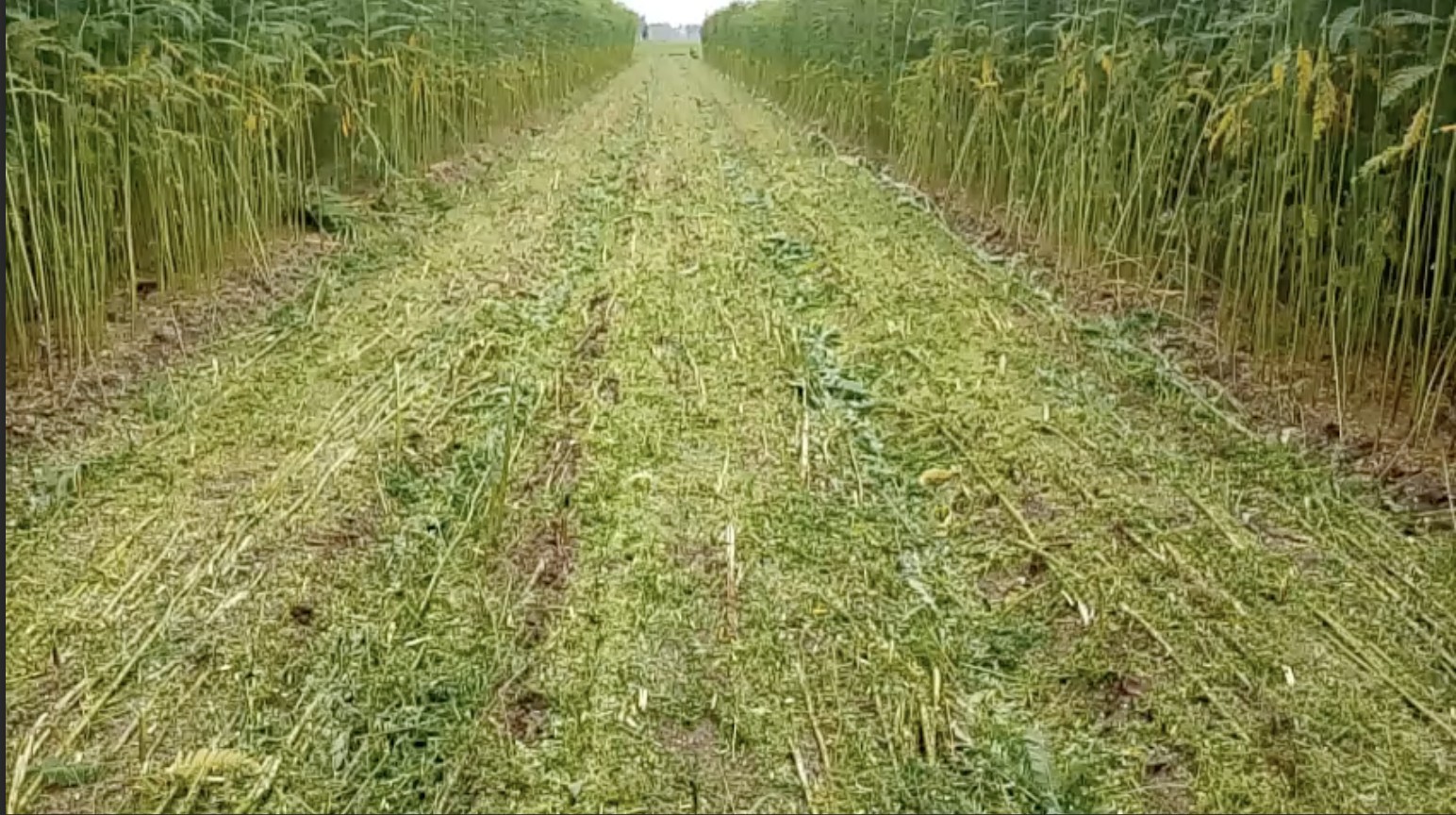
Understanding Mulch: Types, Functions, and Selection
A practical selection guide to PQNK's three mulch types, live, dead/organic, and plastic, setting out the priority order for choosing between them, the seed-specific adjustments (broadleaf vs narrowleaf, small vs large seed) that determine mulch texture and depth, and the narrow, deliberately transitional case for plastic mulch.
Crop · Jantar (Sesbania), Berseem (Clover), Pea
Problem · Bare / Exposed Soil, Weed Pressure
Science · Soil, Plants, Production Architecture
Crop-Specific Guides
Knowledge Paper: Olive Under PQNK — Pakistan's Underdeveloped Potential
Pakistan imports all of its olive oil, roughly 15,000–20,000 tonnes a year, despite holding climate-suitable land in the Potohar plateau, the KP hills, and the Balochistan highlands. This paper sets out PQNK's curved furrow and borehole system for rainfed olive establishment, and the biological management that growers report cuts establishment cost by 40–50% versus conventional orchards.
Crop · Olive
Problem · Drought / Water Scarcity, High Input / Production Cost
Science · Water, Soil, Crop Protection
PQNK Philosophy, Framework & Economics
Under PQNK ReviewFive Decades of Agricultural Innovation: Interventions and Achievements in Chronological Order, 1973–2023
Asif Sharif's own year-by-year record of fifty years of hands-on agricultural intervention in Pakistan, from early machinery and seed distribution through the 2008 development of PQNK and its crop-by-crop expansion since, presented as the primary evidentiary record behind PQNK: a ground-up, farmer-verified track record rather than a journal citation.
Crop · Cotton, Sugarcane, Wheat
Problem · Flooding, External Input Dependency
Science · Soil, Water, Production Architecture
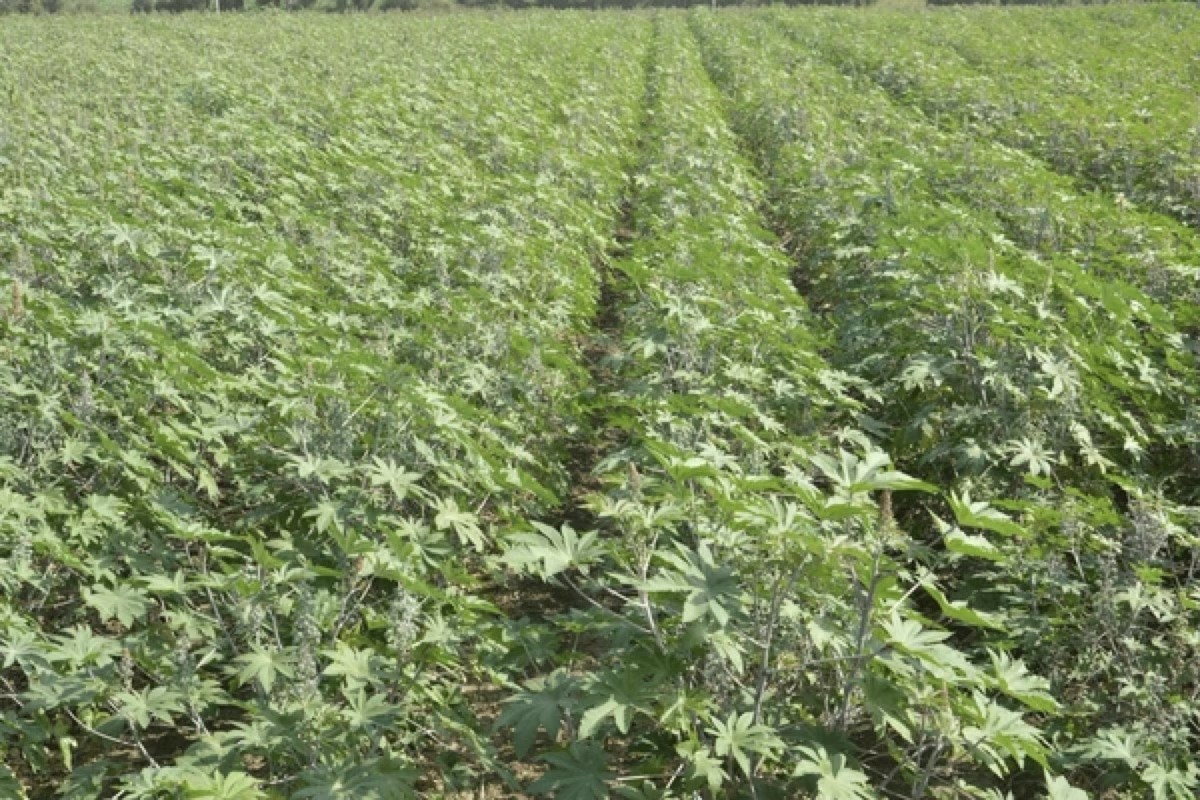
Crop-Specific Guides
PQNK Factsheet: Production of HD Castor
A field factsheet for High-Density (HD) Castor grown as a 3-5 year perennial under PQNK, covering the mandatory land-preparation sequence, planting density, and the pruning schedule that keeps the crop productive across multiple harvest years.
Crop · Castor
Problem · Saline / Alkaline / High-pH Soil, Hardpan
Science · Soil, Plants, Production Architecture
Crop-Specific Guides
Soil Strategy for Citrus in Yellow Sand Dunes
A short practical guide for establishing Kinnow and other citrus on loose, low-fertility yellow sand dunes, using a cover-crop mix, mulch, and microbial inputs to build a living root zone in ground that would otherwise drain water too quickly to support the orchard.
Crop · Citrus (Kinnow)
Problem · Sandy / Low-Fertility Soil Texture, Fast / Uneven Water Drainage
Science · Soil, Water, Biodiversity
Crop-Specific Guides
Mango Post-Harvest Standard Operating Procedures
A field Q&A on mango harvesting and ripening under PQNK, built around the principle that post-harvest waste is as regenerative a loss as poor soil management, with specific cut, temperature, humidity, and stacking parameters for each stage from pre-harvest maturity checks through final ripeness.
Crop · Mango
Problem · Post-Harvest Loss / Spoilage, Fungal / Bacterial Disease
Science · Food Quality, Production Architecture
Crop-Specific Guides
Commercial Onion Seed Production: A PQNK Ecosystem
A factsheet on producing commercial True Onion Seed under PQNK, covering optimal planting density, the economics of mother-bulb size, and a head-to-head quality and post-harvest comparison against conventional and organic onion production.
Crop · Onion
Problem · Machinery / Field-Operation Decision Difficulty, Post-Harvest Loss / Spoilage
Science · Plants, Production Architecture, Food Quality
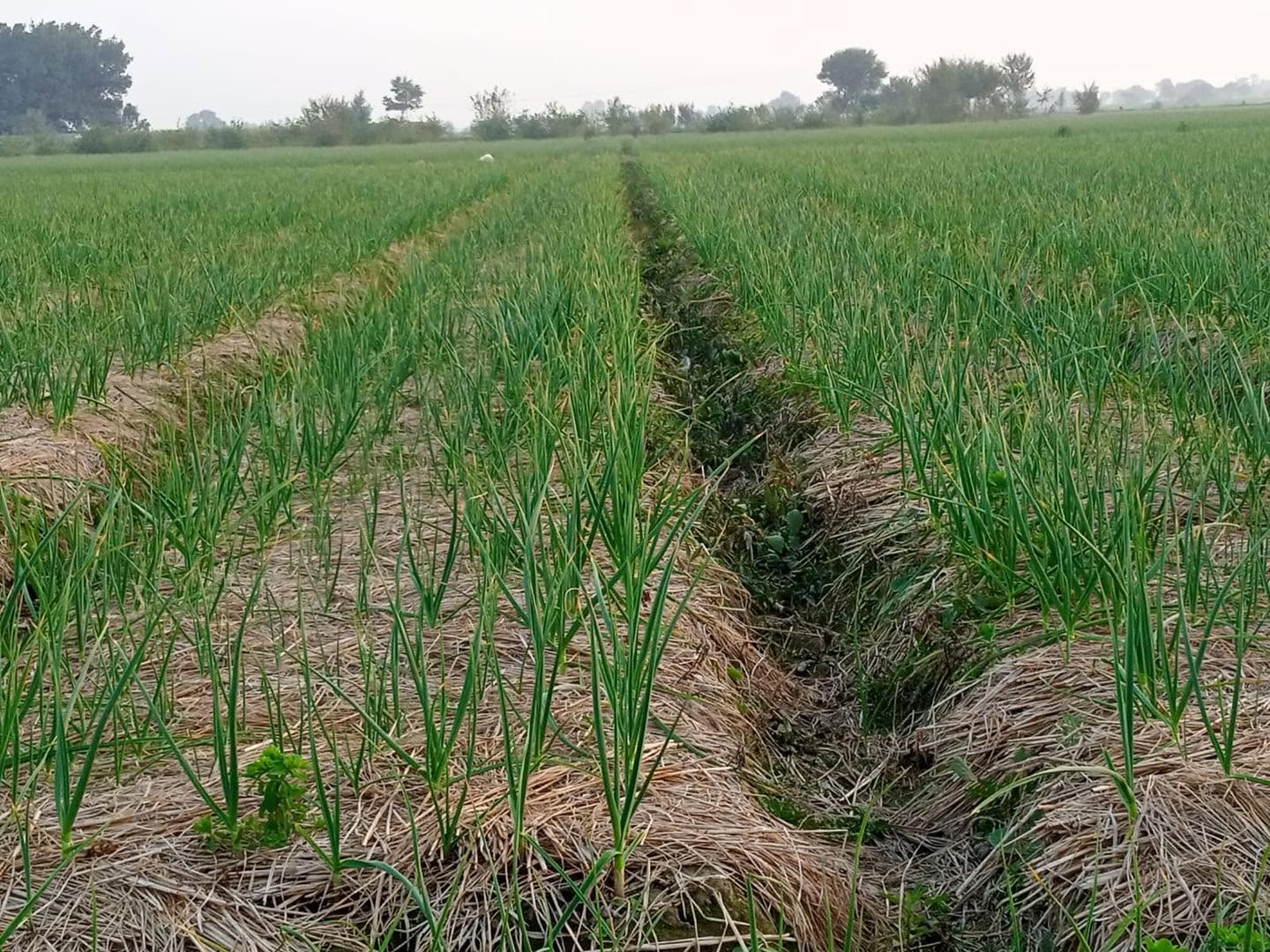
Crop-Specific Guides
Under PQNK ReviewPQNK: The Pristine Organic Production System for Onion and Garlic Cultivation
A propagation-focused guide to onion and garlic under PQNK, comparing seeds, large bulbs, and offsets as planting material before laying out the full 10-step PQNK transition sequence, from hardpan-breaking through raised-bed formation to harvest timed by leaf yellowing.
Crop · Onion, Garlic
Problem · Fungal / Bacterial Disease, Hardpan
Science · Soil, Water, Production Architecture
Crop-Specific Guides
A Farmer's Guide to Establishing a Prosperous Olive Orchard
A practical planting guide for olive growers in Mediterranean-equivalent climates, laying out two distinct PQNK establishment paths, high-density irrigated beds versus a low-cost curved-furrow-and-borehole system for rain-fed sloping land, plus a year-by-year yield projection showing how consistent soil biology breaks the crop's typical biennial-bearing cycle.
Crop · Olive
Problem · Drought / Water Scarcity, Poor Flowering / Fruit Set
Science · Soil, Water, Plants
Crop-Specific Guides
Under PQNK ReviewPotato Planting Depth vs Mulch-Based No-Till Planting: A Production, Economics, and Quality Analysis under the PQNK System
A scientific and economic comparison of conventional 6-inch deep seed burial against PQNK's surface-placement-plus-mulch method, showing that mulch delivers the same tuber-zone temperature control as deep burial while also enabling earlier sowing, denser planting, and a roughly 90% cut in per-acre production cost.
Crop · Potato
Problem · Soil Temperature Extremes, High Input / Production Cost
Science · Soil, Plants, Production Architecture
Crop-Specific Guides
Achieving High Yields in Potato Cultivation within Mature PQNK Systems
A short field advisory for farmers whose PQNK soil has matured to the point where potato plants grow vigorous vines but underperform on tubers, explaining the hormonal mechanism behind excess vegetative growth and giving two concrete practices, wider plant spacing and a timed mechanical vine-pressing pass, to redirect that energy into yield.
Crop · Potato
Problem · Excess Vegetative Growth (at expense of yield/flowering), Yield Stagnation / Decline
Science · Plants, Soil
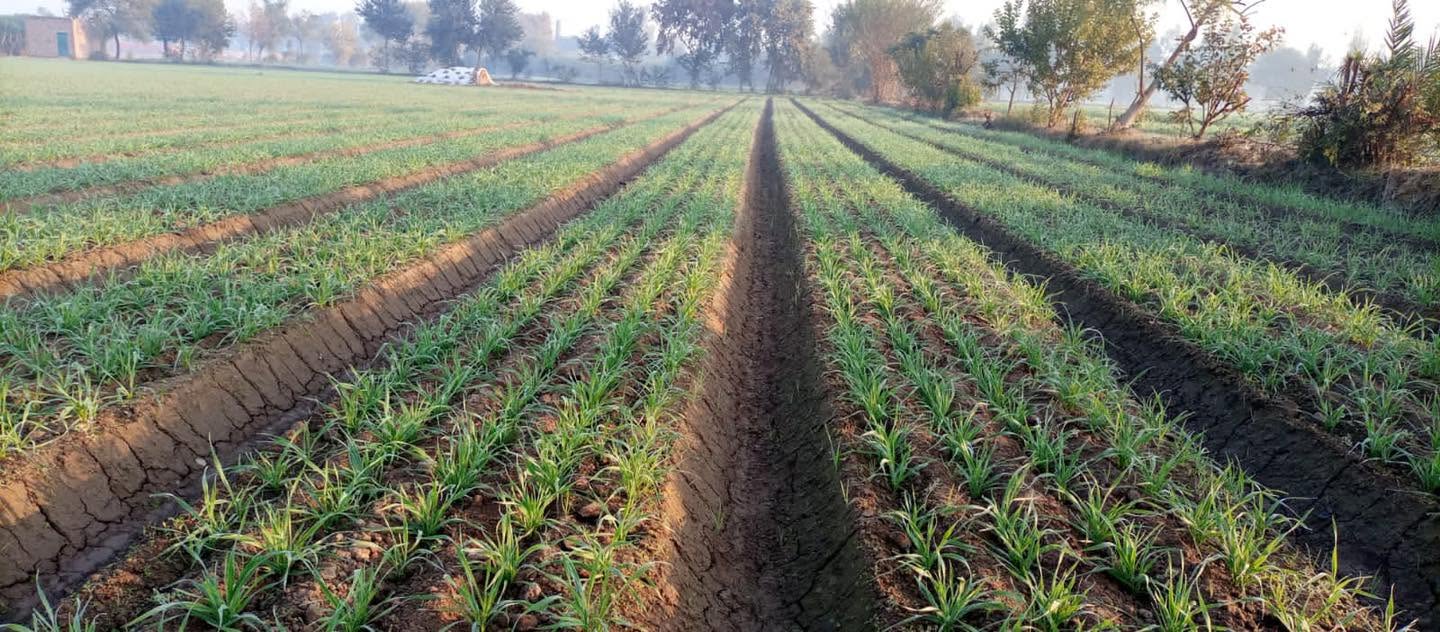
Plant Physiology & Production Systems
PQNK Fully Supports Tropism
A farmer-question-and-answer paper on how PQNK relates to plant tropism, phototropism, hydrotropism, geotropism, and acoustic tropism, arguing that PQNK does not apply these natural response systems but removes the soil-level barriers (compaction, chemical damage, blocked water movement) that suppress them in conventional farming.
Problem · Lodging / Weak Stem Structure, Drought / Water Scarcity
Science · Plants, Soil, Water
Water & Climate
Comprehensive Guidance for Farmers Adapting to Man-Made Erratic Weather Using PQNK Principles
A farmer Q&A collection addressing a delayed, compressed winter season (monsoon arriving early, winter delayed 1-1.5 months) and its effect on wheat, alongside related questions on why weeds outperform crops under drought stress; the wheat section lays out a biology-based, soil-temperature-triggered sowing and pruning protocol built specifically to recover the lost growing time.
Crop · Wheat
Problem · Heat Stress on Crop, Erratic / Unpredictable Weather Patterns
Science · Climate, Plants, Soil
Crop-Specific Guides
PQNK (Pristine Organic Farming) Guide to Wheat Cultivation
A practical farmer Q&A covering seed preparation, an intercropped bed layout combining wheat with corn (for shade), peas, and radish, a three-stage pruning schedule tracked by tiller counts, and irrigation and harvest timing, distinct from PQNK's economics- and lifespan-focused wheat papers in that it is a field-operations manual for bed design and day-to-day management.
Crop · Wheat, Maize (Corn), Pea
Problem · Heat Stress on Crop, Poor Tillering
Science · Plants, Water, Biodiversity
Crop-Specific Guides
Under PQNK ReviewWheat Growing Checklist, Duly Vetted by Dr. Asif Sharif
A dense, numbered field checklist distilled from PQNK wheat lectures, covering land preparation, ideal 9-inch by 9-inch plant spacing, tiller and grain-count benchmarks against conventional wheat, and a national-yield comparison projecting up to 136 maunds per acre against Pakistan's 28-maund average.
Crop · Wheat
Problem · Hardpan, Saline / Alkaline / High-pH Soil
Science · Soil, Plants, Economics
Crop-Specific Guides
Under PQNK ReviewThe PQNK Strawberry Production System: Achieving Commercial Abundance Through Ecosystem Logic
A full production system for open-field commercial strawberries under PQNK, covering ultra-high-density planting (19,600 plants/acre, nearly double the conventional standard), a mulch-hydration system that eliminates irrigation, a three-layer pest defense, and a post-harvest cold-chain protocol, plus a winter-crop rotation that keeps the same permanent bed productive year-round.
Crop · Strawberry, Radish, Carrot
Problem · Suboptimal Planting Density, High Irrigation Cost / Dependency
Science · Soil, Water, Biodiversity
Soil Science & PQNK System
Knowledge Paper: Returning Dairy Waste to the Land, A PQNK Perspective for Dairy Farmers
Addressed directly to dairy farmers who assume manure and biogas slurry are automatically 'valuable fertilizer,' this paper argues the same waste can help, stall, or actively poison a field depending entirely on which soil state within PQNK's transition, degenerative, regenerative (following the initial Corrective Intervention), or the Sustained Closed Loop State, it's applied to, and sets out a decision framework for matching waste form to soil condition.
Problem · General Soil Fertility / Land Degradation, Waste Accumulation / Disposal
Science · Soil, Transition, Nutrition
Workforce & Practice Advisories
The PQNK Kitchen Garden: A Regenerative Ecosystem for Household Abundance and Sovereignty
A compact guidebook applying PQNK principles to household-scale food production, showing how a single 4-foot by 20-foot bed, planned like a household budget around daily, weekly, and seasonal produce needs, can supply the bulk of fresh vegetables for a family of ten, with a parallel rooftop/container method built around a novel underground 'soil life conduit.'
Crop · Radish, Squash, Sweet Potato
Problem · Space / Infrastructure Constraint, Soil Biology / Microbiome Decline
Science · Soil, Biodiversity, Production Architecture
Soil Science & PQNK System
Under PQNK ReviewAnswers to Questions on Soil Carbon: Building Stable Soil Carbon Without Purchased Inputs
A direct response to a farmer's question about soil carbon depletion and biochar, explaining Stable Soil Carbon's four functional roles in a living soil and why PQNK treats biochar as an unnecessary external input rather than a soil-carbon shortcut.
Problem · Soil Organic Matter / Carbon Loss, Locked / Unavailable Soil Minerals
Science · Soil, Climate
Soil Science & PQNK System
Composition of Black Soil: Natural Ways to Amend It Without Agrochemicals
Breaks down what actually makes black soil black, its typical mineral composition by percentage, and the four-step PQNK sequence for restoring its productivity without synthetic amendments.
Problem · General Soil Fertility / Land Degradation, Soil Organic Matter / Carbon Loss
Science · Soil
Soil Science & PQNK System
External EvidenceThe Rhizospheric Dialogue: How Microbial Biodiversity Mines Geological Abundance and Plant Diversity Unlocks Nutrient-Dense Food
Answers a practicing farmer's question on whether specific microbes target specific nutrients and whether plant diversity affects food quality, reframing the soil microbiome as a specialized geochemical mining workforce rather than a passive recycling system.
Problem · Nutrient Deficiency Symptoms (Plant-Visible), Monoculture Vulnerability
Science · Soil, Biodiversity, Nutrition
Soil Science & PQNK System
How Residue Management Affects Microbial Activity in PQNK Farming
A side-by-side comparison of three ways crop residue is commonly handled, surface mulch, rotavator incorporation, and full removal, and how each one shifts the soil's dominant microbial population, decomposition speed, and long-term fertility.
Problem · Tillage Damage to Soil Biology / Structure, Soil Organic Matter / Carbon Loss
Science · Soil
Soil Science & PQNK System
Soil Moisture Management in PQNK Organic Farming: The 30/70 Rule
Explains PQNK's core moisture condition, roughly 30% water-filled and 70% air-filled soil pore space, as the sustained balance of a healthy, functioning PQNK soil, and the yield, input-cost, and produce-quality consequences of over-irrigating past it.
Problem · Over-Irrigation, Excess Vegetative Growth (at expense of yield/flowering)
Science · Water, Soil, Crop Protection
Soil Science & PQNK System
The Living Soil: Why Your Orchard Floor Is as Important as Your Trees
A citrus-orchard guide arguing that a permanent cover of living plants or dead mulch on the orchard floor, never bare sand, does more for tree health than the canopy itself, across four specific mechanisms.
Crop · Citrus (Kinnow)
Problem · Bare / Exposed Soil, Cold / Frost Damage
Science · Soil, Water, Crop Protection
Soil Science & PQNK System
Under PQNK ReviewBreaking the Perennial Design: How Industrial Agriculture Sabotaged the Soil System and Broke the Production Cycle
Argues that industrial agriculture's foundational error is a deliberate break from the perennial, self-renewing design that soil systems have run on for 400 million years, and traces that break through tillage, bare soil, flood irrigation, and chemical substitution to its production consequences.
Problem · Hardpan, Bare / Exposed Soil
Science · Soil, Water, Climate
Soil Science & PQNK System
Under PQNK ReviewThe Pest-Free Revolution: Eliminating Agrochemicals by Unleashing Soil Biology with the PQNK System
A knowledge paper arguing that a properly implemented PQNK system leaves crops 98-99% free of pest and disease pressure through native Bt bacteria and a conserved predator population, and that the system's single greatest failure point is not input scarcity but over-irrigation.
Problem · General Pest Pressure, Over-Irrigation
Science · Crop Protection, Water, Soil
Soil Science & PQNK System
Understanding Soil Water Absorption: Composition, Gusra Soil, and a Field Test for Field Capacity
Explains how soil composition and pore size govern water infiltration and holding capacity, defines the locally significant 'Gusra' soil fraction, and provides a simple steel-pipe field test farmers can use to measure their own field capacity.
Problem · Poor Water Infiltration, Waterlogging
Science · Water, Soil
Soil Science & PQNK System
Knowledge Paper: The Soil Biome & Water-Nutrient Dynamics in PQNK
Answers a chili farmer's specific dead-mulch irrigation plan by explaining why a living root system, not mulch alone, is what activates the soil's microbial nutrient-delivery machinery, and reconciles the 'sugar-in-water' dilution concern with how a functioning PQNK system actually regulates nutrient concentration.
Crop · Chilli, Jantar (Sesbania)
Problem · Nutrient Retention / Delivery Efficiency Concerns, Soil Biology / Microbiome Decline
Science · Soil, Water, Nutrition
Plant Physiology & Production Systems
Two Pathways to "Pest Resistance": Genetic Selection, Sub-Lethal Dosing, and the Human Parallel
Answers a farmer's question about why pests develop resistance to sprays while humans grow more susceptible to residues, identifying a second, dosage-driven resistance pathway alongside classic genetic selection, and drawing a direct parallel to chronic low-dose human toxin exposure.
Problem · Pesticide Resistance, Beneficial Insect / Predator Decline
Science · Crop Protection, Food Quality
Water & Climate
PQNK Advisory Note: Frost, Cold Weather & Irrigation Management
Directly answers a farmer's question about whether irrigation should be increased during frost and cold spells, explaining why added water cannot protect plants from cold stress and can actively harm soil biology, with a supplementary protocol for mild-weather transitional-season crops.
Crop · Wheat, Barley, Mustard
Problem · Cold / Frost Damage
Science · Climate, Plants, Water
Plant Physiology & Production Systems
Temperature-Induced Vascular Failure in Plants: Cold, Heat, Survival Mechanisms, and PQNK-Based Natural Interventions
Reframes both frost and heat damage as failures of hydraulic continuity in a plant's xylem rather than temperature alone, explaining the physics of freezing-induced embolism and heat-induced cavitation, and detailing PQNK's 1% ethanol foliar spray as a biologically compatible corrective signal.
Crop · Wheat, Rapeseed, Barley
Problem · Cold / Frost Damage, Heat Stress on Crop
Science · Plants, Climate
Soil Science & PQNK System
Beyond the Timeline: Re-framing the Transition to Regenerative Agriculture Through the Lens of Soil Life
Challenges the common '3 to 5 year transition' claim in regenerative farming, arguing that soil biology responds to correct conditions within hours, and that a farmer should track functional benchmarks like inundation resistance rather than counting calendar years.
Crop · Okra
Problem · Waterlogging, Farmer Uncertainty / Diagnostic Skill Gap
Science · Soil, Transition, Plants
PQNK Philosophy, Framework & Economics
Under PQNK ReviewDeeper Understanding of PQNK: A Dialogue on Tillage, Soil Physics, and Biology with SRI Co-Founder Norman Uphoff
An email exchange between Asif Sharif and System of Rice Intensification co-originator Norman Uphoff that works through why disturbed soil is not actually better for root growth than undisturbed soil, reframing weeds as ecological repair agents and arguing that agriculture's overemphasis on soil chemistry has obscured the physics and biology that actually govern nutrient flow.
Crop · Rice
Problem · Soil Compaction (General), Weed Pressure
Science · Soil, Plants, Water
Crop-Specific Guides
Balangu & Basil Seed Production Under PQNK
A complete Punjab-focused production guide showing how Balangu (Lallemantia royleana) and Basil seed crops are grown on PQNK's permanent raised-bed system, from hardpan-breaking through harvest and storage.
Crop · Balangu, Basil
Problem · Saline / Alkaline / High-pH Soil, Hardpan
Science · Soil, Water, Biodiversity
Crop-Specific Guides
Watermelon Cultivation: Pruning, Irrigation, and Trellis Q&A
A farmer's detailed field questions on watermelon pruning ratios, shading with corn, trellis design, plant spacing, and irrigation timing, answered against PQNK's water-mineral and moisture-gradient principles.
Crop · Watermelon, Maize (Corn)
Problem · Weak Flavor / Aroma / Quality Sensory Markers, Over-Irrigation
Science · Water, Nutrition, Production Architecture
Crop-Specific Guides
NARC/PNARD Wheat Field Trials: Regenerative Agri-Production System Results (2021-22)
Results from the second year of joint NARC-PNARD wheat trials in Pakistan comparing the standardized RAS/PQNK package against conventional drill and broadcast farmer practice, plus World Bank survey findings on farmer awareness gaps.
Crop · Wheat, Maize (Corn), Cotton
Problem · High Input / Production Cost, General Pest Pressure
Science · Soil, Economics, Production Architecture
Soil Science & PQNK System
External EvidenceThe Story of Phosphate: From Sahara Desert to Amazon
An analysis of why the popular Sahara-dust-feeds-the-Amazon explanation is scientifically overstated, and why the Amazon's 400-million-year phosphorus supply actually rests on undisturbed soil microbiology rather than imported dust.
Problem · Phosphorus Deficiency, Runoff
Science · Soil, Nutrition, Biodiversity
Soil Science & PQNK System
Subsoiler Line Spacing and Stony-Land Conversion: A Farmer Q&A
A Nigerian farmer's questions on subsoiler line spacing, converting gravelly land, integrating cocoa into an alley system, and diagnosing nitrogen lock-up, answered with the PQNK conversion protocol step by step.
Crop · Cocoa, Sorghum, Millet
Problem · Sandy / Low-Fertility Soil Texture, Leaf Discoloration (Yellowing/Purpling)
Science · Soil, Production Architecture, Transition
Soil Science & PQNK System
Cropland as a Carbon Sink: Responses to a Student's Questions
A 15-question exchange on why farmland, not just forestry, should be treated as a primary national climate lever, covering the biology of soil carbon storage, the four PQNK principles, and how Pakistan should balance forest protection against agricultural transformation.
Problem · Soil Organic Matter / Carbon Loss, Bare / Exposed Soil
Science · Climate, Soil, Economics
Soil Science & PQNK System
External EvidenceBeyond the Nodule: How Underground Air Serves Every Crop in the PQNK System
A technical follow-up paper, prompted by a direct response from Cornell's Professor Norman Uphoff, showing that the water:air soil balance central to legume nitrogen fixation governs four further services, phosphorus and potassium solubilization, soil bioporosity, pH stability, and root aquaporin function, that benefit every crop, not only legumes.
Crop · Wheat, Rice
Problem · Low Root-Zone Oxygen / Poor Aeration, Locked / Unavailable Soil Minerals
Science · Soil, Plants
Soil Science & PQNK System
Subsoil Compaction Under No-Till Farming vs. PQNK-Based Regenerative Systems: A Critical Analysis
A critique of a PNAS article on subsoil compaction risk under no-till farming, arguing that its machinery-focused solutions treat a symptom of the Ancient Conventional Industrial framework rather than adopting the full four-step PQNK correction the article's own findings point toward.
Crop · Maize (Corn)
Problem · Soil Compaction (General), Hardpan
Science · Soil, Production Architecture
Soil Science & PQNK System
Under PQNK ReviewAgriculture in Sandy Soil: A PQNK Lecture Transcript
A transcribed lecture explaining why sandy soils fail to retain water and nutrients, and demonstrating, with live experiments, the PQNK clay-slurry treatment that seals the upper root zone of a raised bed so sandy soil can hold moisture and support crops without imported topsoil.
Crop · Radish, Turnip, Dosan
Problem · Fast / Uneven Water Drainage, Nutrient Retention / Delivery Efficiency Concerns
Science · Soil, Water, Economics
Soil Science & PQNK System
The Science Behind the Myth of Cow Dung and Urine
A knowledge paper separating ecological fact from belief-driven practice around cow dung and urine as farm inputs, explaining why the same material functions as recycling in a forest but as import-dependency on a conventional farm, and setting PQNK's boundaries on animal integration.
Problem · External Input Dependency, Farmer Uncertainty / Diagnostic Skill Gap
Science · Soil, Nutrition, Economics
Water & Climate
Flood Irrigation and Jaggery-Water Microbes: A Farmer Q&A
A farmer's question on the apparent contradiction between PQNK's warning against flooding fields and organic-farming advice to multiply microbes in jaggery water, resolved by distinguishing permanent soil microbes from temporary liquid-culture microbes.
Problem · Terminology / Framework Confusion, Soil Biology / Microbiome Decline
Science · Soil, Biodiversity, Water
Water & Climate
Under PQNK ReviewWhen a Natural Climate Cycle Meets a Broken Planet: Understanding Super El Niño Through the PQNK Water Cycle Lens
An argument that Super El Niño's increasingly destructive impacts stem not from the oscillation itself, a natural pattern spanning millennia, but from industrial agriculture's prior destruction of Earth's land-based water storage and cooling capacity.
Problem · Flooding, Drought / Water Scarcity
Science · Climate, Water, Soil
Water & Climate
Under PQNK ReviewThe Hidden Crisis: How Industrial Agriculture Has Broken Earth's Water Cycle
A quantified case that industrial agriculture has driven global groundwater tables from 20-30 feet to over 300 feet deep, creating a roughly $200 billion annual crisis addressable through a costed $15 billion, 24-month PQNK rollout plan.
Problem · Groundwater / Aquifer Depletion, Flooding
Science · Water, Climate, Economics
Water & Climate
Under PQNK ReviewThe Greatest Climate Solution Is Not More Trees: It Is Changing How We Farm
A PQNK knowledge paper arguing that because crop photosynthesis is biochemically identical to forest photosynthesis, agricultural soil management, not tree planting, is the larger lever for national carbon storage, backed by published meta-analyses on tillage and cover cropping.
Crop · Wheat, Maize (Corn)
Problem · Soil Organic Matter / Carbon Loss, Poor Water Infiltration
Science · Climate, Soil, Economics
Plant Physiology & Production Systems
Reading Roots, Sap, and Pest Risk: A Field Diagnostic Guide Through the PQNK Lens
A no-tools field guide for comparing PQNK-grown wheat roots against chemical-farmed roots, and for reading that difference forward into a pest-pressure forecast, on the premise that pests are scavengers of weak plants rather than indiscriminate attackers.
Crop · Wheat
Problem · Sucking Insect Pressure (Aphid/Whitefly/Jassid), Fungal / Bacterial Disease
Science · Soil, Plants, Crop Protection
Plant Physiology & Production Systems
Open Field Vertical Farming Under PQNK: Stacking Biology Instead of Expanding Land
Translates a field lecture into a structured framework for growing tunnel-style vining crops in open fields without tunnels, greenhouses, or chemical inputs, arguing that vertical canopy management and time-based crop replacement can turn one acre into a resilient, year-round livelihood unit.
Crop · Gourds (crop group), Melon, Cucumber
Problem · High Input / Production Cost, Price Volatility / Market Glut
Science · Production Architecture, Climate, Economics
Plant Physiology & Production Systems
The Undigested Seed: Nature's Regenerative Logistics Through Animal-Mediated Dispersal
Reframes seeds surviving intact through an animal's digestive tract, endozoochory, not as a digestive anomaly but as a deliberate regenerative design, and draws out farm practices (silvopasture, seed balls, buffer hedges) that consciously imitate this natural planting mechanism.
Problem · Seed Sourcing / Genetic Vulnerability, Biodiversity Loss
Science · Biodiversity, Soil
Nutrition & Food Quality
Under PQNK ReviewWhy Unscientific "Organic" Farming Can Be Dangerous — and How PQNK Prevents It
Argues that soil health depends on oxygen, water movement, structure, and biological order, not on whether an input is labeled organic, and that common organic practices (plastic mulch, daily irrigation, sugar-based brews) push soil into an anaerobic state that can be more dangerous than chemical farming.
Problem · Waterlogging, Plastic Mulch Soil Sealing
Science · Soil, Food Quality, Water
Nutrition & Food Quality
The Broken Chain: Restoring the Symbiosis Between Food, Body, and Ecosystem Through PQNK
Argues that widespread food availability coexisting with epidemic chronic disease reflects a twin failure, agriculture severing the link between body, food, and ecosystem, and medicine designed to manage symptoms rather than the root cause, and proposes PQNK as the mechanism for restoring that closed loop.
Problem · Declining Nutrient Density in Food, Diet-Related Health / Food Security Concern
Science · Nutrition, Food Quality, Soil
Nutrition & Food Quality
External EvidenceThe PQNK Food Chain: From Soil to Soul — The Principle of Bio-potentiation
Introduces bio-potentiation as the inverse of biomagnification: where conventional agriculture concentrates toxins as they move up the food chain, a PQNK-managed living-soil system is argued to amplify nutritional value and potency at each successive trophic level, from soil to plant to animal to human.
Problem · Declining Nutrient Density in Food, Animal Health / Welfare / Product Quality
Science · Nutrition, Food Quality, Biodiversity
Nutrition & Food Quality
The Nutritional Roots of Healthcare Expansion and the PQNK Solution
Argues that the healthcare sector's growth has outpaced population growth primarily because industrial agriculture has degraded nutrient density and dietary diversity, fueling preventable chronic disease, and proposes regenerative PQNK agriculture as the upstream intervention that reduces demand on the healthcare system itself.
Problem · Declining Nutrient Density in Food, Diet-Related Health / Food Security Concern
Science · Nutrition, Food Quality, Economics
PQNK Philosophy, Framework & Economics
The PQNK Imperative: Restoring Food, Health, and Sovereignty
Responds directly to a farmer's questions about why certified organic food has failed to earn consumer trust despite its price premium, arguing organic remains an input-substitution model that merely swaps synthetic inputs for approved natural ones, while PQNK eliminates purchased inputs entirely and lets taste serve as the market's proof.
Problem · Organic Certification Cost / Trust Gap, Declining Nutrient Density in Food
Science · Nutrition, Food Quality, Economics
PQNK Philosophy, Framework & Economics
Under PQNK ReviewPakistan's Agricultural Biotechnology Policy 2025: The Right Intention, The Wrong Diagnosis
A formal PQNK response to Pakistan's Federal Cabinet-approved National Agricultural Biotechnology Policy 2025, arguing the BT cotton experiment already proved that engineering the plant to compensate for a damaged environment fails within years, and that the real intervention point is restoring the soil biology and water systems the policy leaves untouched.
Crop · Cotton, Wheat, Rice
Problem · Named Pest Infestation (Bollworm, Fruit Fly, Nematode, etc.), Soil Organic Matter / Carbon Loss
Science · Soil, Biodiversity, Nutrition
PQNK Philosophy, Framework & Economics
Recalibrating Pakistan's Textile Value Chain: From Farm to Fabric and Beyond
Deconstructs the cotton-to-garment value chain stage by stage to argue that Pakistani policy misattributes value creation to industrial processing while sidelining the farm as the base of all value, and traces three historical cotton epochs, Deltapine-15, Bt cotton, and PQNK, to argue PQNK is the next necessary revolution.
Crop · Cotton
Problem · Named Pest Infestation (Bollworm, Fruit Fly, Nematode, etc.), Macro / Policy-Level Externalities
Science · Economics, Production Architecture
PQNK Philosophy, Framework & Economics
Under PQNK ReviewPQNK Foundational Document, Topic 5: The PQNK Ethical Covenant — Rights Within the Self-Sustaining Loop
The fifth document in PQNK's foundational topic series, framing the farm's closed-loop system as bearing inviolable 'rights', of soil, microbes, the predator pyramid, and matter itself, and casting the farmer's role as guardian of those rights rather than manager of the system.
Science · Soil, Biodiversity, Production Architecture
Workforce & Practice Advisories
Failure in Farm Management: Inheritance Without Professionalization
Argues the least-discussed root cause of agricultural failure is that most farmers inherit land, tools, and habits rather than choosing farming after training, leaving a profession with no equivalent to a production manager, and proposes PQNK's One Acre Prosperity model as the structural fix for the compulsory-selling trap this creates.
Problem · Untrained Labor / Management, Price Volatility / Market Glut
Science · Economics, Production Architecture, Transition
Workforce & Practice Advisories
What Is This White and Green Growth Seen After Irrigation? A Farmer Q&A
Answers a farmer's question about white and green growth appearing on a Khapli wheat plot after a second irrigation, identifying it as beneficial fungal mycelium and early microbial/algal activity, not disease, and advising the farmer to leave it alone entirely.
Crop · Wheat
Problem · Farmer Uncertainty / Diagnostic Skill Gap
Science · Soil, Biodiversity, Plants
Workforce & Practice Advisories
Under PQNK ReviewThe PQNK System of Assessment: Cultivating the Farmer as the Ultimate Instrument
Argues that in a mature PQNK system, a farmer's trained senses, color, aroma, texture, and flavor, are more accurate diagnostic instruments than industrial soil or sap tests, and formalizes a 2% pest-pressure threshold as the system's own unforgiving feedback mechanism for detecting underlying failures.
Problem · General Pest Pressure, Locked / Unavailable Soil Minerals
Science · Nutrition, Food Quality, Crop Protection
Complete A–Z Knowledge Paper Index
Every paper, listed alphabetically. Use the search above to find what you need faster.
- 1. A Farmer's Guide to Establishing a Prosperous Olive Orchard
- 2. A Knowledge Paper on Citrus Flowering and Fruiting Within the PQNK Ecosystem
- 3. A Regenerative Imperative: A PQNK Critique and Response to the Colonizing Logic in "Beyond Extraction and Illusion"
- 4. Above-Soil Ecosystems in PQNK: Plant-Directed Insect Dynamics, Pollination, and Natural Regulation
- 5. Achieving a High-Density Kinnow Plantation through the PQNK Framework: A Comparative Analysis of Rootstock Options and Their Synergy with Regenerative Soil Ecology
- 6. Achieving High Yields in Potato Cultivation within Mature PQNK Systems
- 7. Addressing the Critical Gap of Untrained Farm Workforce for Sustainable Agricultural Advancement in Pakistan
- 8. Advisory for One Acre Prosperity (OAP) in Vegetable Production: A PQNK Guide for the Smallholder
- 9. Agriculture in Sandy Soil: A PQNK Lecture Transcript
- 10. Answers to Questions on Soil Carbon: Building Stable Soil Carbon Without Purchased Inputs
- 11. Balangu & Basil Seed Production Under PQNK
- 12. Banana Cultivation on PQNK (PICNIC)
- 13. Beyond Extraction and Illusion: Restoring True Wealth Through Regenerative Systems
- 14. Beyond Sand, Silt, and Clay: The PQNK Guide to Creating Productive Soil
- 15. Beyond the Nodule: How Underground Air Serves Every Crop in the PQNK System
- 16. Beyond the Timeline: Re-framing the Transition to Regenerative Agriculture Through the Lens of Soil Life
- 17. Breaking Hardpan Without Machinery
- 18. Breaking the Perennial Design: How Industrial Agriculture Sabotaged the Soil System and Broke the Production Cycle
- 19. Can High-TDS Water Be Used to Rehabilitate Saline Soils?
- 20. Channeling Plant Energy: A PQNK Guide to Managing Vegetative Growth for Regenerative Production
- 21. Chilli Production Under PQNK (PICNIC)
- 22. Commercial Advantages of PQNK Production: Why Biological Correctness Outperforms Industrial Efficiency
- 23. Commercial Onion Seed Production: A PQNK Ecosystem
- 24. Commercial Rhodes Grass Production Under PQNK: A Factsheet for Punjab & Adjacent Areas
- 25. Composition of Black Soil: Natural Ways to Amend It Without Agrochemicals
- 26. Comprehensive Advisory on 'Batoor' Flower Management in Mango: Blending Traditional Wisdom with Scientific Insight
- 27. Comprehensive Guidance for Farmers Adapting to Man-Made Erratic Weather Using PQNK Principles
- 28. Comprehensive Guide: High-Anthocyanin Black Carrot Under the PQNK Closed-Loop System
- 29. Contour Line Farming through the PQNK (PICNIC) Lens
- 30. Cotton Cultivation by Mulching
- 31. Creating On-Farm "Micro-Water Cycles": Landscape Design to Maximize Rain, Dew, and Humidity Capture at the Microclimate Level
- 32. Cropland as a Carbon Sink: Responses to a Student's Questions
- 33. Deep Subsoil Remediation & Activation: Strategic Pathways for Compacted Soils
- 34. Deeper Understanding of PQNK: A Dialogue on Tillage, Soil Physics, and Biology with SRI Co-Founder Norman Uphoff
- 35. Earth to Food: Reclaiming Our Agricultural Future
- 36. Enhancing Wheat Crop Lifespan through the PQNK System
- 37. Evaluation of Tube-well Water Quality for Irrigation Under PQNK
- 38. Every Seed Is a Promise to the Next Generation: Why PQNK Selects Open-Pollinated Genetics Over GMO, Hybrid, and Seedless Seed
- 39. Factsheet: Commercial Bamboo Plantation Under PQNK
- 40. Failure in Farm Management: Inheritance Without Professionalization
- 41. Five Decades of Agricultural Innovation: Interventions and Achievements in Chronological Order, 1973–2023
- 42. Flood Irrigation and Jaggery-Water Microbes: A Farmer Q&A
- 43. Fruit Tree Alleys and Filler Crops on PQNK
- 44. Heatwaves, Pollination Failure, and the PQNK Soil–Plant–Atmosphere Buffer
- 45. How PQNK Delivers the Highest Nutrition at the Lowest Cost — and Why This Paradox Is Your Real Power
- 46. How Residue Management Affects Microbial Activity in PQNK Farming
- 47. Knowledge Paper: Achieving High-Density Pomegranate Production Through the PQNK (Picnic) Pristine Organic Farming System
- 48. Knowledge Paper: Embracing PQNK — A Regenerative Paradigm for Sustainable Agriculture
- 49. Knowledge Paper: High-Density Amla Farming Under PQNK
- 50. Knowledge Paper: Liberating Pakistan's Economy — The Unforgivable Neglect of the PQNK Revolution
- 51. Knowledge Paper: Mitigating Post-Harvest Losses in Rice Through Controlled Environment Agriculture PQNK – A Case Study in Grain Structural Integrity
- 52. Knowledge Paper: Olive Under PQNK — Pakistan's Underdeveloped Potential
- 53. Knowledge Paper: PQNK — The Natural Ecosystem Science for Production Agriculture (Reviving the Self-Regulating Agroecosystem through Regenerative Principles)
- 54. Knowledge Paper: PQNK Rose Production
- 55. Knowledge Paper: Returning Dairy Waste to the Land, A PQNK Perspective for Dairy Farmers
- 56. Knowledge Paper: The Looming Convergence of Oil and Food Crises — The Imperative for a Paradigm Shift toward PQNK
- 57. Knowledge Paper: The Perpetual Abundance Principle
- 58. Knowledge Paper: The Plant as CEO — A PQNK Perspective on Biological Agency in Rhizobial Partnerships
- 59. Knowledge Paper: The PQNK Imperative — Re-Mothering Our Agriculture through the Pristine Organic System
- 60. Knowledge Paper: The Principle of Permanent Confinement – The Mechanical-Synchrony Foundation of PQNK Bed Geometry
- 61. Knowledge Paper: The Soil Biome & Water-Nutrient Dynamics in PQNK
- 62. Managing Saline Irrigation Water and Soil Reclamation Through PQNK
- 63. Managing Soil Electrical Conductivity & Redox Potential in a Pristine, No-Chemical System for Optimal Nutrient Uptake
- 64. Managing the Biological Transition: Protecting Crop Performance During the First Years of PQNK Conversion
- 65. Mango Post-Harvest Standard Operating Procedures
- 66. Modern (Green Revolution) Semi-Dwarf Wheat vs. Heirloom and Ancient Wheat Varieties
- 67. Monitoring Soil Life in the PQNK System: A Farmer's Guide
- 68. Motha Grass (Cyperus rotundus) Dominance: A PQNK Knowledge Paper
- 69. NARC/PNARD Wheat Field Trials: Regenerative Agri-Production System Results (2021-22)
- 70. National Food Power and the Reconstruction of Agricultural Civilization
- 71. Nutrition-Dense Food and the Recovery of Ecological Quality
- 72. Open Field Vertical Farming Under PQNK: Stacking Biology Instead of Expanding Land
- 73. Optimizing Mango Pruning Within a Self-Sustaining PQNK Ecosystem for Punjab
- 74. Optimizing Tractor Setup for Precision Planting and Bed-Furrow Health
- 75. Pakistan's Agricultural Biotechnology Policy 2025: The Right Intention, The Wrong Diagnosis
- 76. Pest Ecology and the Collapse of Biological Balance
- 77. Potato Planting Depth vs Mulch-Based No-Till Planting: A Production, Economics, and Quality Analysis under the PQNK System
- 78. PQNK - The Paradigm Shift for Sustainable, Profitable, and Climate-Resilient Rice Cultivation
- 79. PQNK — Nature's Algorithm for Abundant Food: From a Failing Industrial Model to a Permanent Natural System
- 80. PQNK (Pristine Organic Farming) Guide to Wheat Cultivation
- 81. PQNK Advisory Note: Frost, Cold Weather & Irrigation Management
- 82. PQNK Advisory Paper: Tomato (Solanum lycopersicum)
- 83. PQNK Advisory: Strategic Pruning of Brinjal (Eggplant) for a Prolific Harvest
- 84. PQNK Advisory: Understanding Nematode Damage in ACI Systems and the Path to Recovery with PQNK
- 85. PQNK Factsheet: Production of HD Castor
- 86. PQNK Farming in Practice: Site-Specific Solutions for Regenerative Agriculture — Questions & Detailed Answers
- 87. PQNK Foundational Document, Topic 1: The Organismic Paradigm — Quantum-Reading the Farm as a Unified Biological Field
- 88. PQNK Foundational Document, Topic 13: The Autonomous Cycle — Planting and Harvesting in the Perfected System
- 89. PQNK Foundational Document, Topic 14: The Expression of Genetic Blueprint — How PQNK's Restored Covenant Maximizes Phytochemical Density in Produce
- 90. PQNK Foundational Document, Topic 2: The Bio-Energetic Valuation Framework — Replacing Commodity Mass with Metabolic Currency
- 91. PQNK Foundational Document, Topic 4: The Economics of Resilience — A Detailed Cost-Benefit Analysis over a 2-5 Year Horizon
- 92. PQNK Foundational Document, Topic 5: The PQNK Ethical Covenant — Rights Within the Self-Sustaining Loop
- 93. PQNK Fully Supports Tropism
- 94. PQNK Knowledge Paper: The Origin of Plant Mass and the Role of the Soil System
- 95. PQNK Knowledge Paper: The Role and Perspective of Supplemental Nutrition in the Perpetual Abundance System
- 96. PQNK Knowledge Paper: The Twofold Art of Pruning as Compensatory Grazing
- 97. PQNK Knowledge Paper: The Universal Application of the PQNK Model — From Soil to Supper
- 98. PQNK vs. "Soil Science for Regenerative Agriculture": Critical Analysis for NARC Colleagues
- 99. PQNK: Restoring Earth's Hydrological Cycle to Mitigate Erratic Weather & Food Sovereignty
- 100. PQNK: The Pristine Organic Production System for Onion and Garlic Cultivation
- 101. PQNK: The Wholesale Four-Step System to Reconnect the Water Cycle and End Water Scarcity
- 102. Q&A: Comparing the Quality of Food from PQNK and Ancient Conventional Industrial Production Systems
- 103. Reading Roots, Sap, and Pest Risk: A Field Diagnostic Guide Through the PQNK Lens
- 104. Recalibrating Pakistan's Textile Value Chain: From Farm to Fabric and Beyond
- 105. Restoring Earth's Operating System: The PQNK Framework for Regenerative Agriculture
- 106. Restoring Prosperity in Citrus and Mango Orchards Through the PQNK Regenerative System
- 107. Rethinking Agricultural Systems – The PQNK Framework (A1)
- 108. Role of Soil Colloids in Determining the Physical and Chemical Properties of Soil
- 109. Root Retention Science
- 110. Scientific Note: Agroforestry Species Selection under the PQNK Model
- 111. Scientific Parameters Behind Shelf Life, Pest Attraction & Deterioration — A Pristine PQNK Perspective
- 112. Smog, Haze, and the Unshakable Resilience of the PQNK Farm
- 113. Soil Moisture Management in PQNK Organic Farming: The 30/70 Rule
- 114. Soil Strategy for Citrus in Yellow Sand Dunes
- 115. Soil Water Dynamics, Microclimate Feedback, and Plant Vigor in Raised Bed Systems
- 116. Subsoil Compaction Under No-Till Farming vs. PQNK-Based Regenerative Systems: A Critical Analysis
- 117. Subsoiler Line Spacing and Stony-Land Conversion: A Farmer Q&A
- 118. Sugarcane Cultivation on PQNK: A Perennial, Circular Production System
- 119. Sugarcane: The Bamboo Principle
- 120. Supplemental Knowledge Paper: Quantifying the Abundance
- 121. Technical Adaptations for Mechanized SRI Production to Achieve Water Saving and Increased Profitability in Punjab, Pakistan
- 122. Temperature-Induced Vascular Failure in Plants: Cold, Heat, Survival Mechanisms, and PQNK-Based Natural Interventions
- 123. The Autonomous Biome: Principles of Self-Assembling Fungal Networks in a Closed-Loop System
- 124. The Breathing Soil: A PQNK Dialogue on Humidity and Soil Structure
- 125. The Broken Chain: Restoring the Symbiosis Between Food, Body, and Ecosystem Through PQNK
- 126. The Evolution of Seed Placement: Why the Seed Opener Was Left Behind
- 127. The Farm You Only Have to Build Once: How PQNK Converts a Conventional Field into a Permanent, No-Till System
- 128. The Foundational Primacy of Agriculture Over Industry: A Knowledge Paper Through the PQNK Lens
- 129. The Future of Potato Cultivation: A Scientific and Economic Comparison of ACI, Global Best Practices, and the PQNK Framework
- 130. The Global Cost of Agricultural Degradation & the PQNK Restoration Dividend
- 131. The Greatest Climate Solution Is Not More Trees: It Is Changing How We Farm
- 132. The Healer's Dialogue: From Weed Signal to Soil Silence — A PQNK Pathway to Self-Regulating Abundance
- 133. The Hidden Crisis: How Industrial Agriculture Has Broken Earth's Water Cycle
- 134. The Hydrological Transformation of Agricultural Landscapes Through the Paedar Qudratti Nizam Kashatqari (PQNK) System
- 135. The Inherent Shelf-Life Advantage of PQNK Produce: A Scientific Analysis from Root Zone to Market
- 136. The Living Plant: A Primer on Physiology & Processes
- 137. The Living Soil: Why Your Orchard Floor Is as Important as Your Trees
- 138. The Management of Soil Density within the Closed-Loop Regenerative System
- 139. The Mechanism of Nutrient Absorption in PQNK Farming
- 140. The Missing Synthesis: Positioning PQNK Among a Century of Fragmented Regenerative Science
- 141. The Nutritional Roots of Healthcare Expansion and the PQNK Solution
- 142. The Paradox of Resistance: Why Pests Adapt While Humans Degrade – A PQNK Scientific Perspective
- 143. The Pest-Free Revolution: Eliminating Agrochemicals by Unleashing Soil Biology with the PQNK System
- 144. The PQNK Food Chain: From Soil to Soul — The Principle of Bio-potentiation
- 145. The PQNK Foundation: The Philosophy of the "Central Leader"
- 146. The PQNK Framework for Regenerative Animal Husbandry: Productivity, Profitability, and Planetary Health
- 147. The PQNK Framework: From Degenerative Systems to Regenerative Process to Sustainable State
- 148. The PQNK Imperative: Restoring Food, Health, and Sovereignty
- 149. The PQNK Kitchen Garden: A Regenerative Ecosystem for Household Abundance and Sovereignty
- 150. The PQNK Perspective: You Are Asking the Wrong Question about "Micronutrients"
- 151. The PQNK Raised Bed System: Engineering Optimal Root Zone Environments for Vigorous Plant Production
- 152. The PQNK Strawberry Production System: Achieving Commercial Abundance Through Ecosystem Logic
- 153. The PQNK System of Assessment: Cultivating the Farmer as the Ultimate Instrument
- 154. The PQNK System: Cultivating Plant Intelligence Through Engineered Soil Gradients
- 155. The PQNK Validation System
- 156. The Qudratti Nizam as a Holistic Organism: The Principle of Closed-Loop Perception
- 157. The Rhizospheric Dialogue: How Microbial Biodiversity Mines Geological Abundance and Plant Diversity Unlocks Nutrient-Dense Food
- 158. The Role of Jantar (Sesbania) in Biological Reconstruction
- 159. The Sacred Symbiosis: Why PQNK Feeds Plants, While Chemical Agriculture Only Force-Feeds Them
- 160. The Science Behind the Myth of Cow Dung and Urine
- 161. The Self-Liberating Mineral Cycle: Rejecting the Input Paradigm in the Restored Biome
- 162. The Silenced Clock: How Broken Water Cycles Disrupt Temperature-Cued Plant Development, and the PQNK Restoration Pathway
- 163. The Story of Phosphate: From Sahara Desert to Amazon
- 164. The Underground Air: Why Soil's Water:Air Balance Governs Nitrogen Fixation, and Every Other Root Function, in the PQNK System
- 165. The Undigested Seed: Nature's Regenerative Logistics Through Animal-Mediated Dispersal
- 166. The Weed-Indicator System
- 167. The Weeds as Soil Physicians: A PQNK Diagnostic Guide to Soil Health in the Punjab Region
- 168. Transforming Garlic and Onion Cultivation through the PQNK Regenerative System
- 169. Transforming Pakistan's Sugar Industry Through the PQNK (Pristine Organic Farming) System
- 170. Transforming Wheat Production through the Paedar Qudratti Nizam Kashatqari (PQNK)
- 171. Two Pathways to "Pest Resistance": Genetic Selection, Sub-Lethal Dosing, and the Human Parallel
- 172. Understanding Mulch: Types, Functions, and Selection
- 173. Understanding Soil Water Absorption: Composition, Gusra Soil, and a Field Test for Field Capacity
- 174. Unlocking the Secrets of the Soil: Understanding Deep Topsoil and Nature's Partnership
- 175. Watermelon Cultivation Under the Paedar Qudratti Nizam Kashatqari (PQNK): A Guideline Based on Practical Field Observations
- 176. Watermelon Cultivation: Pruning, Irrigation, and Trellis Q&A
- 177. Wealth Generation, Value Addition, and Money Circulation: The Biological Foundations of Economy
- 178. What Is This White and Green Growth Seen After Irrigation? A Farmer Q&A
- 179. What Science Delivered: The Documented Balance Sheet of a Century of Input-Funded Agricultural Research
- 180. What This Uprooted Wheat Plant Is Telling Us — Through the PQNK ("picnic") Lens
- 181. Wheat Growing Checklist, Duly Vetted by Dr. Asif Sharif
- 182. When a Natural Climate Cycle Meets a Broken Planet: Understanding Super El Niño Through the PQNK Water Cycle Lens
- 183. Why Conventional Rice Keeps Failing: At the Mill, At the Table, and At the EU Border
- 184. Why Is Oxygen Less in Soil Air? Why Is CO2 High?
- 185. Why Leaves Change Color With the Weather: Reading Temperature Signals Without Mistaking Them for Hunger
- 186. Why Unscientific "Organic" Farming Can Be Dangerous — and How PQNK Prevents It